
5 easy Ayurvedic tips to keep joint pain down
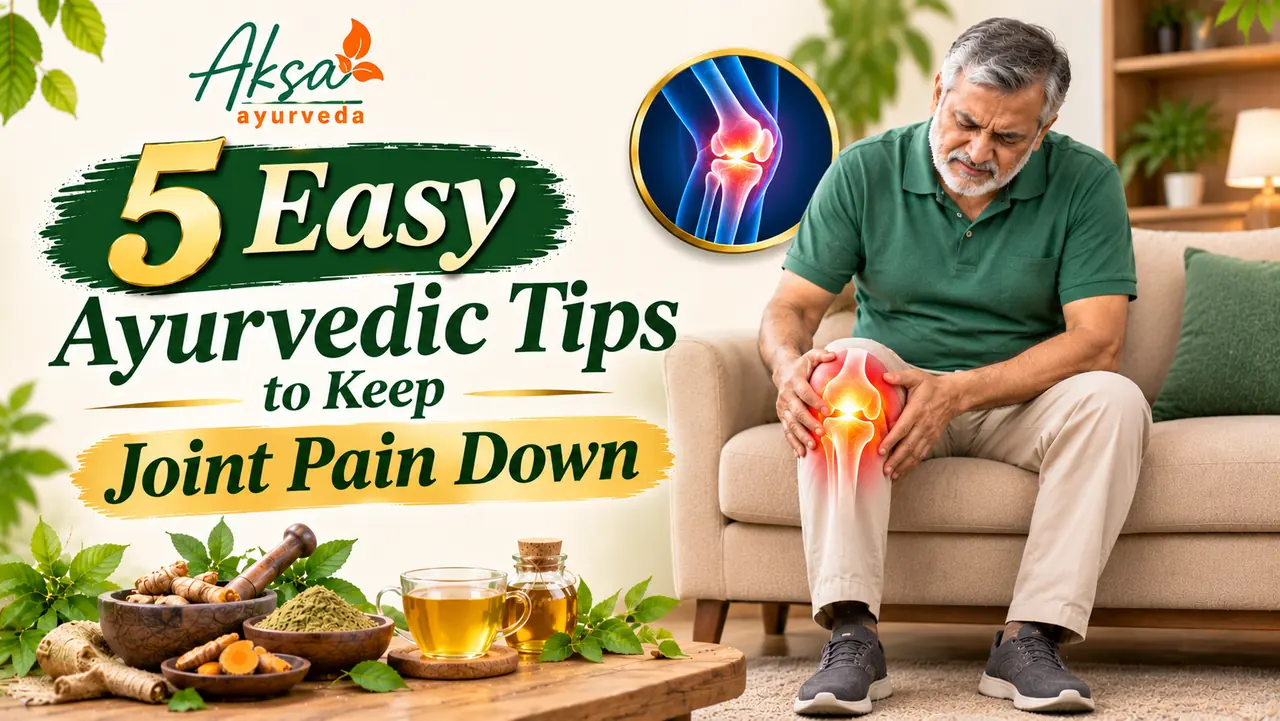
Joint pain has several small causes stacked together, so one big remedy rarely works. Five daily habits, kept for six weeks, do more than any single oil.
We are often asked which medicine is the best one for aching knees, wrists or shoulders. In practice the answer is boring: the joint does better when the day around it changes. Here are the five changes we ask almost every patient to make, and what each one is actually for.
1. Keep the joint moving, but not loaded
A painful joint is not a joint that should be rested for months. Cartilage gets its nutrition from movement, and the muscles around it waste away within weeks of disuse. What hurts most people is not movement itself, it is movement with load at the wrong angle.
- Range-of-motion work first: slowly bend and straighten the joint through whatever range is comfortable, ten repetitions, two or three times a day. No weights.
- Strengthening next: for a knee, that usually means straight-leg raises and a shallow wall slide; for a shoulder, a light band pulled outward with the elbow at the side.
- The two-pain rule: mild discomfort during an exercise that settles within an hour is acceptable. Pain that is sharper the next morning means the dose was too much.
- Swimming, cycling on low resistance and walking on flat ground are the three easiest ways to keep moving when a joint is irritable.
2. Warmth before use, cold after a flare
- A stiff joint that is worst on waking usually responds to warmth: a warm shower over the area for five minutes, or a wrap for fifteen, before starting the day.
- A joint that has become puffy, hot and throbbing after activity does the opposite — cold for ten minutes with a cloth between the pack and the skin.
- Never put heat on a red, hot, swollen joint, and never ice a joint that has gone numb or whose circulation you doubt.
- In our clinics we often use a warm herbal steam or a medicated oil pack on chronic, stiff joints. They are comfort measures that relax the surrounding muscles; they are not a treatment for the underlying disease, and we tell patients so.
3. Take load off the joint — this is real medicine
For a knee, every kilogram of body weight is several kilograms of pressure across the joint while walking and more on stairs. Even a modest reduction in weight changes symptoms; a fall of five kilograms is often felt more reliably than a change of painkiller. This is the single hardest and most effective advice we give, and it is not about appearance.
- For a hip or knee, a cane held in the hand opposite the painful leg reduces load more than most people expect, and using one is not a sign of giving up.
- For the wrists, a keyboard tray, a mouse that keeps the hand neutral, and taking the weight off the palms while getting out of a chair.
- For the lower back, lifting with the hips and knees and not twisting while carrying.
4. Sleep, shoes and the surface you stand on
- A worn-out pair of shoes changes the alignment of everything above it. Replace daily footwear when the heel is visibly uneven.
- A pillow that holds the neck level with the rest of the spine, not bent upward, is enough; a very high or very flat pillow keeps neck joints working all night.
- Side sleepers with hip or knee pain often get relief from a firm pillow between the knees.
- Standing still on a hard floor for long hours is one of the most under-recognised causes of heel, knee and back pain. A mat, a footrest to shift weight onto, and five seated minutes every hour help.
5. Massage the muscle, not the joint line
Oil massage is a genuine Ayurvedic practice and a comfortable one, but it needs the right expectation. Rubbing warm oil into the tight muscles around a joint reduces guarding and improves sleep for many people. Pressing hard directly over a swollen joint, or trying to grind something back into place, makes things worse.
- Use moderate pressure along the muscle belly, five to ten minutes, before a bath.
- Skip massage entirely over infected, wounded, varicose or acutely swollen skin.
- If you are on blood thinners, or bruise easily, ask your doctor before deep pressure anywhere.
- Anything sold as an oil that cures arthritis in a month should be left on the shelf. We have never seen it, and the claim is not honest.
When these five are not enough
Get assessed rather than persisting at home if:
- A joint is visibly deformed, or you cannot bear weight on it or move it through its normal range.
- Swelling arrives with fever, or the joint is hot, red and exquisitely tender — that can be infection or gout and needs same-day medical attention.
- Morning stiffness lasts more than 30 to 45 minutes and has been present for weeks, especially in small joints of the hands; inflammatory arthritis is treated differently, and delay costs cartilage.
- Pain wakes you from sleep consistently, or follows a fall or injury.
- There is unexplained weight loss, night sweats, or numbness and weakness in an arm or leg.
What we do in the clinic
At Aksa we have two centres, and in both the first visit is mostly an examination and a history — which joint, which movement, how long, what makes it better, what medicines you already take, and what your reports show. Where it is indicated we arrange basic blood work or imaging, because the management of osteoarthritis, gout, rheumatoid disease and a mechanical injury are four different conversations. Alongside that we prescribe diet and daily-routine changes of the kind above, and external applications where they suit the case. We do not promise to regrow cartilage, and we will tell you plainly when a surgical opinion is the right next step.
If your pain has been lingering for more than a few weeks, bring your reports to either centre and let us look at the whole picture rather than the ache alone.
Related reading

3 simple home remedies for joint pain
Read
5 mistakes that are making your joint pain worse
Read
Ayurvedic oils for joint pain, and how to use them daily
Read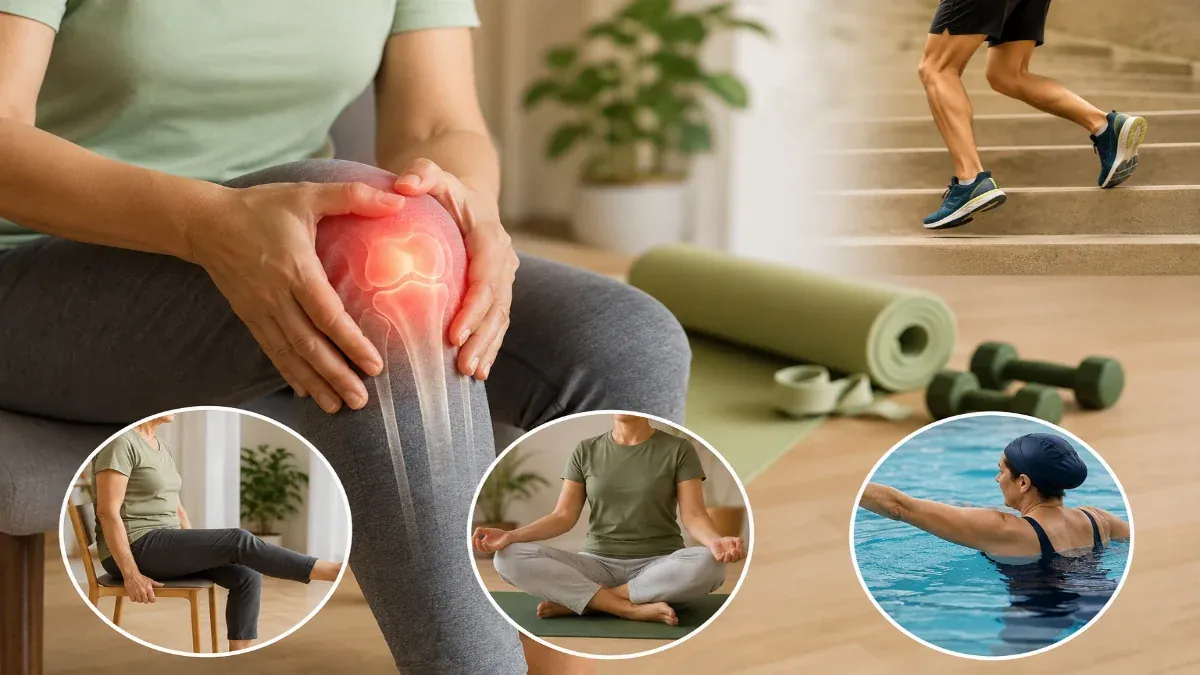
Joint pain में कौन सा movement सही है और कौन सा नहीं
Read
Joint pain: home remedies worth trying first
Read
Knee joint pain: a simple Ayurvedic oil you can make at home
ReadTake the next step on your own case
Aksa physicians have been consulting on Ayurvedic care since 1992. Book a free video consultation and get a routine built around your digestion, sleep and history.