
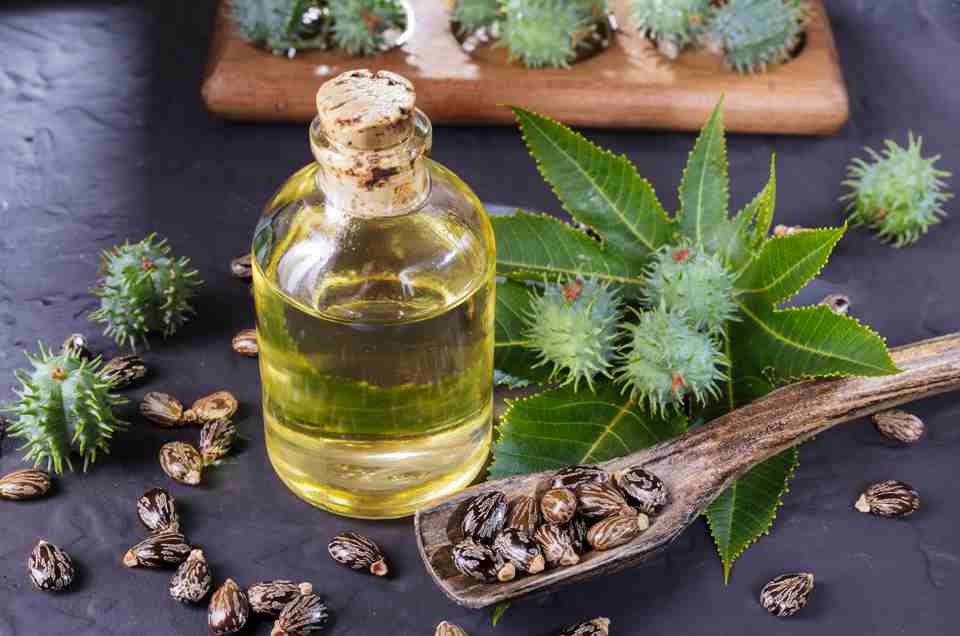
No food, oil or daily habit has been shown to stop the prostate enlarging with age. What does change is how much trouble it gives you.
This post is about that list: the habits that measurably reduce urinary symptoms, the ones that are folklore, and the handful of signs that belong to a urologist rather than to a routine.
What the gland is doing
The prostate is a walnut-sized gland sitting below the bladder, wrapped around the tube that carries urine out. It makes part of the fluid in ejaculation, and it grows slowly through adult life under hormonal influence. Enlargement itself is close to universal with age; symptoms are not, and the two do not track each other well. A modestly enlarged gland that pushes inward from the sides causes far more trouble than a much larger one that grows outward, which is why size alone never decides treatment.
Three different problems get sold as one:
- Benign prostatic hyperplasia, the age-related enlargement that slowly narrows the stream. This is the common one, and it is not an infection, not cancer, and not caused by anything you ate.
- Prostatitis, an inflammation of the gland, sometimes bacterial and sometimes a chronic pelvic pain pattern with no infection at all. It behaves completely differently, affects younger men, and needs a different plan.
- Prostate cancer, which usually causes no urinary symptoms at all in its early years. That is precisely why the last section of this post exists.
The habits that genuinely reduce symptom burden
None of these shrink anything. All of them change how often you are up at night, how hard you strain, and how likely you are to end up unable to pass urine at all, which is the accident that puts a man in front of a catheter.
- Move your fluids earlier. Most of the day's water before six, and stop deliberately two to three hours before bed. Thirst control is the single biggest lever on night-time urination, bigger than any tablet.
- Cut the evening bladder irritants. Tea, coffee, alcohol and carbonated drinks in the last four hours make urgency and frequency worse in a way that is obvious within a week of stopping them.
- Void twice, slowly. Finish, wait thirty seconds sitting still, then go again. This empties the residual that causes the second and third trip downstairs.
- Do not strain and do not rush. Pushing against a narrowed outlet over years does the bladder no favours. Relax, sit if it is easier, let the stream come.
- Do not hold urine for hours at a stretch. The man who skips the break at work and then empties a litre at once is training the bladder badly.
- Keep the bowels regular. A loaded rectum presses on the bladder outlet and worsens hesitancy; constipation is one of the most under-recognised causes of urinary symptoms in older men.
- Stay warm. Cold is a reliable trigger for frequency and, in a man with a narrow outlet, for retention. The winter bathroom and a bike ride in cold wind are the usual settings.
- Be active and work on weight. Metabolic syndrome, large waist and inactivity all travel with worse urinary symptoms, and improving them improves the score men give their own bladder.
- Ask before taking a decongestant or an antihistamine. Both tighten the outlet, and a cold-and-flu tablet is a common cause of a sudden inability to pass urine in a man who already had a weak stream.
- If you have pelvic ache rather than obstruction, learn to relax the pelvic floor rather than exercise it. Endless strengthening makes tension-type pelvic pain worse.
What does not work, whatever the packet says
- Saw palmetto and the rest of the prostate supplement shelf. In the better trials these do not beat placebo on urinary symptoms, and none of them shrink a gland that needs shrinking. Some preparations affect the liver and most hide their actual content.
- Zinc, selenium and vitamin E megadoses for the prostate. There is no good evidence, and long-term high doses carry their own harms.
- Pumpkin seed, walnuts and dried fruit as treatment. Fine as food, and a reasonable snack instead of the evening tea that wakes you; not therapy.
- Semen retention or abstinence for prostate health. There is no such rule. Equally, the claim that frequent ejaculation treats prostatitis is not evidence.
- Prostate massage for cleansing. In bacterial prostatitis it is painful and pointless; the treatment is the right antibiotic for the right number of weeks.
- Daily hot sitz baths as a cure. Warmth eases pelvic discomfort temporarily, which is honest and useful, and it is not treatment for enlargement.
- Long bicycle rides as a cause of prostate disease. Cycling does not cause enlargement or cancer. Numbness, perineal discomfort and saddle sores are real, and a proper seat and breaks every hour fix most of it.
Symptoms that deserve a proper workup
A weak stream, hesitation before starting, dribbling at the end, getting up more than twice a night, urgency that is new, a sense of not emptying, and any recurrent urinary infection all belong to an assessment rather than to waiting. The assessment is not complicated: urine examination, a symptom score you fill in yourself, a flow measurement, an ultrasound that includes the urine left behind afterwards, a blood test for kidney function, and a PSA discussion where it fits.
PSA deserves one honest paragraph. It is not a cancer verdict and not a screening test to be done blindly every year. It rises with enlargement, infection, recent instrumentation and ejaculation, and it can be normal in a man with significant disease. It is worth using as a shared decision with a urologist, particularly from the fifties onward, and much more so with a family history of prostate cancer or a known higher risk. A raised PSA is a reason for conversation and further testing, not for panic and not for an herbal course.
The cancer question, kept calm
An enlarged prostate does not turn into cancer; they are different diseases in different parts of the gland. Most prostate cancers grow slowly enough that a man will live with one rather than die from it, which is exactly why over-testing does as much harm as under-testing. What is not calm is ignoring the signals:
- Blood in the urine, once and unexplained, always gets investigated, whatever the age. Blood in the semen in a man over forty gets investigated too.
- New bone pain in the back, hips or ribs, especially with weight loss and tiredness, in a man with a known prostate problem, is not a disc issue until it has been tested.
- Unexplained weight loss, or a hard fixed gland found on examination, is a urology referral and not a repeat prescription.
- Family history matters. A father or brother with prostate cancer, particularly diagnosed young, moves the age for a PSA conversation forward.
Where Ayurvedic care sits
For benign enlargement, Ayurvedic management is symptom management and habit management. It works on the stream complaints, the night-time frequency, the bowel, the weight and the pelvic tension, and on a man with mild to moderate symptoms that combination is often enough to keep him out of surgery for years. It does not shrink a gland that is blocking urine, and a man told otherwise is being sold time he may not have.
In the chronic pelvic pain pattern, where cultures are negative, antibiotics have been given repeatedly and nothing has changed, our work is more useful: pain and tension cycles, sleep, bowel regularity, pelvic floor relaxation, activity, and the anxiety that follows years of unexplained symptoms. That is a real niche and it is worth filling honestly.
In acute bacterial prostatitis with fever, the treatment is antibiotics, chosen by a doctor, for the full course. Nothing else belongs in that first fortnight, and a delay in that situation is how a treatable infection becomes an abscess.
What we will not do or claim
- We will not promise to reduce the size of the prostate, and we will not sell a product that claims to.
- We will not stop or replace an alpha-blocker, finasteride, an antibiotic or any urology medicine. Where those are indicated they are the treatment.
- We will not frame this as sexual power. Performance anxiety, chronic pelvic pain and urinary symptoms overlap constantly, and treating them as one problem is how men end up with the wrong medicine for years.
- We will not begin without a urine examination, and we will not touch a PSA result without discussing what it does and does not mean.
When to be seen the same day
Not able to pass urine at all with a full, painful bladder is retention and needs drainage now, not tomorrow. Fever with urinary symptoms, rigors and perineal pain is acute prostatitis and needs antibiotics promptly. Blood in the urine with clots, or any bleeding that does not settle, is a same-day assessment. Sudden incontinence with leg weakness, numbness around the saddle area, or loss of bowel control is not a prostate problem at all; it is a spinal emergency and belongs in an emergency department within hours.
At our two centres
- Model Town and Burari, first meeting free. We take the symptom history properly, including the night-time pattern and what you drink and when, examine where it is indicated, get the urine and kidney tests done, review the medicines you are already taking that tighten the outlet, and set a fluid, bowel and activity plan you can keep. Where a flow study, residual urine measurement or a PSA conversation is needed, we arrange it and go through the report with you.
- Retention, infection with fever, blood in the urine, a suspicious gland or a raised PSA goes to a urologist in the same week. We continue alongside that care, on the symptoms, the bowel, the weight and the sleep, and we do not interfere with what the urologist has started.
Every individual is different. Tell the doctor who treats your urinary symptoms about anything new you start taking, including churna, tablets and supplements, and never stop a prescribed prostate medicine on your own.
Related reading
60+ पुरुषों में रात बार-बार पेशाब — prostate की शुरुआत
Read
Bladder health and prostate problems: keeping both in check
Read
Heartburn: why it keeps coming back
Read
Kitchen spices that support prostate health
Read
Prostate health: the Ayurvedic approach
Read
Seasonal routine changes and the digestion trouble they bring
ReadTake the next step on your own case
Aksa physicians have been consulting on Ayurvedic care since 1992. Book a free video consultation and get a routine built around your digestion, sleep and history.