

Hard stool, straining, and hours of pressure on the veins low in the rectum cause most piles. These ten changes remove that pressure instead of numbing the symptom.
The bleeding, the itching and the ache usually ease within a week or two of doing all ten consistently. Do two or three and you are mostly waiting for the next flare — which is why they are written here as a fortnight's plan rather than a list of tips.
First, know which piles you have
Internal piles sit above the dentate line, inside the rectum, where there are few pain-sensing nerves. That is why the classic picture is bright red blood on the paper or in the bowl with hardly any pain, and, later, a soft swelling that comes out during a bowel movement and goes back on its own. External piles sit below that line, under skin that does feel, so they show up as itching, soreness and a lump you can notice while washing.
When blood collects inside an external pile it clots. That is a thrombosed pile, and it is the sudden, severe, blue-purple pain people describe — a different situation from the slow bleed, and it has its own clock.
Doctors grade internal piles from one to four. Grade one bleeds but stays inside. Grade two comes out and goes back by itself. Grade three has to be pushed back with a finger. Grade four stays out. Home care is genuinely useful for grades one and two, and sometimes three. Grades three and four are not a diet problem, and the honest answer for them is an examination rather than another tube of ointment.
One caution worth saying plainly: bright red bleeding after a bowel movement is most often piles or a fissure, but not always. Bleeding that is dark, or mixed through the stool instead of sitting on the surface of it, or bleeding that comes with weight loss or a bowel habit that has changed for weeks, belongs to something else. Nobody should put ten weeks of home treatment on that possibility.
The ten things that actually help
Only the fibre costs money, and only the footstool needs buying. They are in the order most people should work through them.
1. Soften the stool before you treat the pile
Everything else on this list is secondary to this one. Hard stool tears, and pushing it is what drives the veins out. The target is 25 to 35 grams of fibre a day, reached slowly over about ten days, because fibre added in one jump produces the gas and bloating that make people give up. In an ordinary Indian kitchen it means roti from whole wheat rather than maida, at least one dal with its skin on through the day, two vegetables instead of a quarter bowl of sabzi, and fruit eaten whole with the peel — guava, apple, pear, orange — rather than squeezed into a glass. Lauki, turai, spinach, pumpkin, gourd, soaked chana and sprouts all add bulk without adding volume.
If food alone will not get you there, isabgol is the sensible addition, not a stimulant. One teaspoon in a full glass of water at night — and it only works if the water goes with it.
2. Give that fibre the water to work with
Fibre without water is how people end up more blocked than before. Two to three litres across the day, and a glass or two of warm water soon after waking, which starts the bowel moving before breakfast does. The honest test is not how much you drank but the colour of your urine: pale straw means you are there, dark yellow all morning means you are not. Alcohol counts against the total, and so does a day built on cup after cup of tea with nothing between them.
3. Stop straining, and stop taking the phone to the toilet
This is the biggest mechanical change in the list and the cheapest one. Holding the breath and pushing is precisely what forces blood into those veins and keeps them swollen. If nothing happens within about five minutes, get up, walk, drink something, and come back when the urge returns. Sitting there for fifteen minutes scrolling reproduces the same damage more quietly: gravity, pressure, and a rectum with nothing to do.
Classical Ayurveda is on the same page. The texts treat arsha as a disorder of regularity, and the correction they ask for is a daily, comfortable, unhurried bowel movement — not a purge.
4. Go when the urge comes, even when the day says otherwise
The urge arrives as a wave. Ignore it because the office toilet is unclean or because a meeting is running, and the stool stays in the colon while water is pulled back out of it; what arrives at home is harder than what asked to leave. People who have done this for years describe it as their normal — I only go once every two days. That is not normal, it is the habit that makes piles. Build one fixed sit-down after breakfast, when the bowel is naturally most active: five unhurried minutes, feet up, no pushing.
5. Change the angle — put your feet up
A sling of muscle holds the rectum at a bend so that you can hold stool in. Straightening that bend is what makes passing easy, and raising the knees above the hips does exactly that. A six to eight inch stool, a brick, an upside-down bucket, anything that gets the feet off the floor. Lean slightly forward with the elbows on the thighs, breathe out as the movement starts instead of holding the breath, and let it happen without force. On a Western seat, this is the change people notice first.
6. Warm water, two or three times a day
A sitz bath is the closest thing to a direct treatment for a flaring pile. Ten to fifteen minutes in comfortably warm water, deep enough to cover the area, once or twice a day and always after a bowel movement. It eases the muscle spasm responsible for much of the pain, cleans without rubbing, and brings blood flow to the area. Plain water — not hot, not antiseptic liquid, not soap, all of which irritate that skin more than stool does. Dry by patting with a towel kept for the purpose, and change into dry cotton.
7. Break the itch and scratch cycle
The itching is not dirt. It is a little mucus and stool irritating the skin around the anus, and scratching thickens and tears that skin so that it itches more. Rinse with water after a bowel movement — a lota, a mug, a handheld shower — rather than wiping with dry paper, then pat dry. A cool compress wrapped in a clean cloth for ten minutes settles a bad itch better than any cream. Cotton underwear, changed out of a sweaty one the same day. And do not keep a numbing or steroid cream going past a week without asking someone: it relieves the itch while slowly thinning the skin under it.
8. Move every day, and lift less for a fortnight
Thirty minutes of walking improves bowel transit, which is why it appears in every serious guide to this problem. Then remove the pressure: an hour seated is an hour of weight on those veins, so stand and walk for two minutes every hour — and if the day goes by on a two-wheeler or at a desk, that break matters more than any ointment. For the two weeks of a flare, drop heavy lifting, squats and deadlifts, because breath-holding under a load is straining with weight on it. Long rides on a narrow cycling seat are the other common one.
9. Fix the timing of meals, not only the menu
A bowel that never knows when the next meal is coming stays irregular, and irregularity is where the straining comes from. Tea for breakfast and a heavy dinner at eleven is an ordinary salaried day. The fix is boring and it works: eat at roughly the same hours, finish dinner two to three hours before bed, sit down to eat rather than eating standing at the counter, and do not skip a meal to compensate for a bigger one at night. Ayurveda puts this before any herb — agni runs on routine.
10. Find the two or three things that set yours off
Nobody's trigger list matches another's. What holds true is that alcohol dehydrates and dilates vessels and delivers a constipated next day; that a very spicy meal does not cause piles but makes an active one burn for a day or two afterwards; and that a fortnight of maida-heavy meals, fried food and travel days without water will wake a quiet grade one. Run a two-week test: cut alcohol and fried food, drop maida, add the fibre and the water, and watch what the bleeding does. Most people learn something specific about their own week from it.
What to stop doing
- Take senna, castor oil or a cleanse as the daily answer. Stimulant laxatives leave the bowel dependent on them, purging is not the same thing as regularity, and you lose water and salts only to come back more blocked.
- Put soap, antiseptic liquid or very hot water in the sitz bath.
- Scratch the area, or use a scented wipe on skin that is already broken.
- Assume every bleed is piles because it has been happening for years.
- Self-prescribe classical formulations in pregnancy, alongside blood thinners, or for a child, without a physician's say-so.
- Sit through it and hope. Two weeks of the ten steps is a fair trial; two months of bleeding is not self-care.
When home care has to stop
Get it examined rather than managed at home if any of these apply:
- Bleeding for more than a week, enough to colour the water in the bowl, or blood mixed through the stool rather than on its surface.
- Black, tarry stools, or bleeding with dizziness, breathlessness or unusual tiredness. That is anaemia asking to be treated, not a pile asking to be soothed.
- A hard, very tender blue lump that appeared suddenly. A clotted external pile is miserable, and it is usually handled best in the first seventy-two hours.
- A swelling that comes out and has to be pushed back, or that no longer goes back at all.
- Fever, discharge, or redness spreading around the area.
- Piles in pregnancy, or in someone on blood thinners or with diabetes, where the ordinary plan needs changing.
- Weight coming off without intention, or a bowel habit that has shifted for weeks.
How an Aksa physician takes a piles case
It starts with history, not medicine: how long this has been going on, what the bleeding looks like and how often, what the stool is like on an ordinary day, how the day itself is built — sitting hours, water, meal timings, travel — and what has already been tried. Then an examination where the picture needs one, because the grade decides the plan, and a grade one and a grade three are not the same conversation.
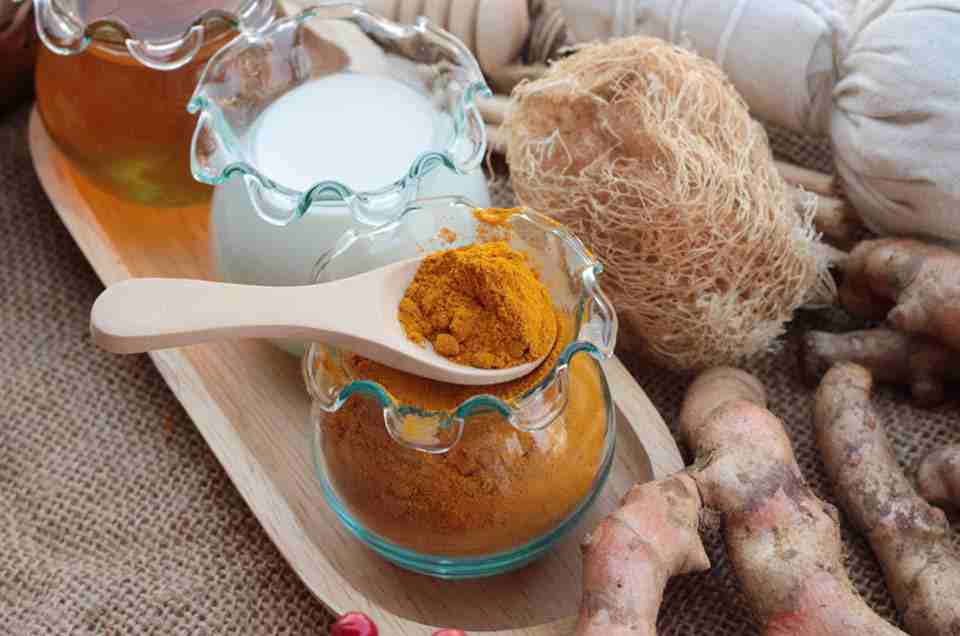
From there the order is regularity first, local care second, and then support for the digestion that produced the problem. That last part is where classical material is used properly rather than casually: triphala and haritaki-based formulas for bowel regularity, turmeric and neem where the tissues need calming, aloe vera where heat and dryness are the pattern — chosen and dosed for the person in front of us, not off the back of a packet, and continued only as long as the response justifies it.
Aksa physicians have been consulting on this since 1992. A video consultation is free and needs no travel; where hands-on examination is required we see people at our two clinics in Delhi, Model Town and Burari. And if a grade three or four turns out to need a surgical opinion, that is said in the same sitting rather than answered with another month of drops.
None of this is a prescription. Dose and duration move with age, pregnancy, other treatment and how the bleeding presents, so anything you intend to continue beyond a fortnight is worth confirming with a qualified doctor first.
Start with the three that already fit your day — usually fibre, water and the footstool — and add the rest this week. Two weeks of consistency is a fair trial, and it is also the honest test: if a pile is going to settle at home, that is when it settles. If it does not, the next step is a physician, not another cream from the chemist.
Related reading




Take the next step on your own case
Aksa physicians have been consulting on Ayurvedic care since 1992. Book a free video consultation and get a routine built around your digestion, sleep and history.