

Chilli does not cause piles, whatever your family says. But five things on the plate do make a flare likelier, and cutting them is cheap medicine.
The mechanism is simple. Hemorrhoidal tissue is aggravated by two things: a hard stool that has to be pushed out, and long periods of straining or sitting on the toilet. Food matters mainly through those two routes. That means the honest list is less about forbidden tastes and more about the habits that dry out the stool and irritate the skin around the anus.
1. A diet built on refined carbohydrate
- White bread, maida products, biscuits, rusks, instant noodles, packaged snacks and a plate of only white rice contain almost no fibre. Low residue means a small, hard stool that takes effort to pass.
- The typical Indian version of this problem is not a lack of grains, it is a lack of everything else: three rotis and a potato subji with no salad, no greens and no curd.
- Do not add bran powder by the spoonful instead. A sudden jump to forty grams of fibre produces gas and bloating, and people then give up on fibre entirely for the wrong reason.
- Build up over two weeks: one extra vegetable serving a day, whole grains for at least one meal, a bowl of dal with the fibre left in it, one whole fruit with the peel where it is edible.
2. Alcohol, especially the weekend kind
- Alcohol is a diuretic. Dehydration pulls water out of the stool in the colon, and the Monday-after flare is often simply the Saturday drinking showing up in the bowel.
- It also dilates blood vessels, including the plexus in the anal region, which is precisely the tissue that is already engorged.
- Beer and spirits with mixers tend to come with a night of low water intake and little food fibre, which compounds the problem.
- If you drink, the practical rule is one glass of water between every drink, a proper food underneath, and no series of nights in a row. During an active flare, stopping entirely for two weeks tells you how much it was contributing.
3. Very spicy and heavily fried meals, in the specific case where they hurt you
- Here is the honest part: capsaicin is not proven to cause hemorrhoids, and many people with piles eat chilli without any trouble. Blanket bans are not evidence-based.
- What does happen is that in some individuals, poorly digested capsaicin burns on the way out, which makes an already sore area miserable and leads to scratching and avoidance of the urge to go — and avoidance is what actually worsens the condition.
- Deep-fried, heavy restaurant meals slow gut transit and usually arrive with little water and no fibre, which is the real harm.
- So the rule is individual, not universal: if a particular dish reliably produces burning or a flare within a day or two, it is your trigger and it should go. If it does not, you are being told a myth.
4. Excess tea, coffee and the dehydration that follows
- Four or five strong cups of filter coffee or chai across the day, with little plain water, leaves most people chronically short of fluid in a warm climate.
- Caffeine stimulates the bowel, which sounds helpful, but on an under-hydrated colon it produces urgency and straining rather than an easy motion.
- Tea or coffee on an empty stomach before anything else often means the morning urge arrives while you are travelling or at a desk and gets suppressed — and suppressed urges are a leading cause of constipation.
- Two to three litres of plain fluid a day, mostly water, with the caffeinated cups counted separately. Pale straw-coloured urine is the check that works.
- Alcohol and sugary drinks do not count toward the total.
5. Low-residue convenience food and skipping meals
- Ordered meals, packet snacks, and a day built on tea and biscuits give almost no fibre and very little water at the same time.
- Processed meat, cheese-heavy food and large amounts of maida-based convenience items are notoriously constipating.
- Unripe banana in quantity, and very large amounts of dairy in some individuals, firm the stool more than people expect.
- Irregular timing matters as much as content. The bowel works on habit; a gastrocolic urge that is ignored every morning for a month becomes a stool that arrives hard and late.
- A practical template: something warm and fibrous at breakfast, vegetables and dal at lunch, a fruit and a handful of soaked nuts in the evening, and water within reach at the desk.
Foods worth adding rather than only removing
- Isabgol or psyllium husk, one teaspoon in a full glass of water at night, when food fibre alone is not enough. It is a bulking agent, not an irritant laxative, and it works only with adequate water.
- Oats, barley, ragi, rajgira, soaked flax or chia seeds.
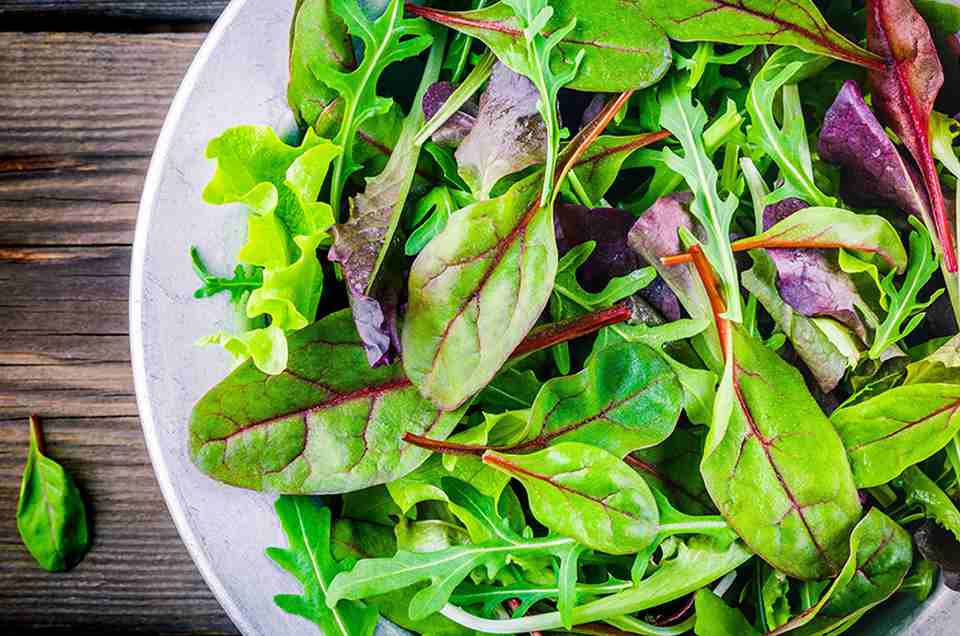
- Leafy greens, pumpkin, snake gourd, drumstick, beetroot — the watery, bulky vegetables.
- Curd and buttermilk with roasted jeeraka; the fermented ones suit many people better than raw milk.
- Anjeer or prunes soaked overnight, and a spoon of ghee over hot rice at night for those who find it helps them move.
- Stop daily stimulant laxatives and the overnight cleansing powders. Senna taken every night makes the bowel dependent, and the straining that follows is worse than the original constipation. A short prescribed course is a different thing from an open-ended habit.
What food cannot do
No diet shrinks a cushion that has already prolapsed, stops a bleeding vessel, or resolves a clot that formed forty-eight hours ago. Food removes the ongoing insult; that is worth a great deal in early disease and in preventing recurrence after a procedure, and it is worth much less once the anatomy has advanced. If bleeding continues after two weeks of genuine change, or a lump has to be pushed back regularly, the next step is an examination and a conversation about grade — not a longer list of foods to avoid.
Get seen promptly if
- Bleeding is new, dark, mixed into the stool, or comes with tiredness, breathlessness or weight loss. Never assume bleeding is piles without an examination, and never let anyone treat you for piles without one.
- A lump is out and will not go back, or is hard, dusky and severely painful — that is a thrombosed pile and is best dealt with within a day.
- There is fever with local swelling or pus, which means an abscess rather than piles.
- Pain is severe during and after a bowel movement with only a few drops of bright blood, which points to a fissure and needs different treatment.
- You are on blood thinners, have diabetes with poor control, or are pregnant.
At Aksa
In our two centres, the diet history is part of the first consultation, because a prescription that ignores what you eat and when sits on top of the same problem. We combine a graded plan for fibre and fluids, the local measures that ease a flare, oral herbal support where it suits the individual, and a review at fixed intervals. Where a procedure or surgical opinion is honestly the better answer, we say that at the first visit. Bring your reports and an honest account of an ordinary day to either centre.
Related reading
Fibre: the one diet change piles patients cannot skip
Read
3 lessons from piles patients who got well at Aksa
Read
5 home remedies for piles that work
Read
6 home remedies that bring relief from piles
Read
Don’t tolerate piles pain every day — here is what to do
Read
Piles during pregnancy: 5 things that help
ReadTake the next step on your own case
Aksa physicians have been consulting on Ayurvedic care since 1992. Book a free video consultation and get a routine built around your digestion, sleep and history.