
Five things that genuinely shorten a gout attack at home, what none of them do to the uric acid underneath, and why the big toe is the one that always answers first.
Gout is a crystal problem, not a wind problem or a diet mistake of yesterday. Uric acid, which is the waste product of purines in food and in your own cells, has been high enough for long enough that needle-shaped crystals have settled in a joint. The body then mounts a fierce inflammatory response to a crystal it cannot remove. That is why the pain arrives at two in the morning, peaks within a day, and is out of proportion to anything that happened to the foot.
What a gout attack looks like, so it is not guessed at
- One joint, usually the big toe at its base, sometimes the ankle, the instep, the knee or the elbow. Swollen, red, hot, and the weight of a bedsheet is unbearable.
- It starts at night or in the small hours, reaches full severity within twelve to twenty-four hours, and settles in three to ten days even if left alone.
- A trigger in the previous day or two: a heavy drink, a large non-vegetarian meal, dehydration, a fast, an illness, surgery, or starting or stopping a water tablet.
- Complete relief between attacks, at least in the early years — the reason men conclude it was only a twist and never follow up. That gap is where the joint and kidney damage quietly accumulate.
- A first attack ever, or an attack with fever, needs a proper diagnosis rather than a home plan. Crystals and infection in a joint feel almost identical from the outside, and infection destroys a joint in days.
The five that actually help during an attack
1. Start something on day one, not on day three
- Gout inflammation is at its most violent in the first twenty-four hours. An anti-inflammatory taken at the first twinge behaves completely differently from the same tablet taken when the foot is already purple. Ask your doctor which one and what dose for you, because kidney disease, ulcers, heart failure, blood thinners and dengue season all change that answer.
- Colchicine works best in the first twenty-four hours too, and the dose that stops gout and the dose that causes diarrhoea are closer than people think. Follow the prescription, not the neighbour's schedule.
- If attacks keep coming, a doctor may plan a short steroid course. That is a decision with the prescriber, never a self-bought injection.
- Do not restart or change uric-acid-lowering tablets in the middle of an attack on your own; a sudden swing in the level can extend the flare. Keep taking what you were already taking and ask the doctor about changes.
2. Rest, elevate and cool — the boring half of treatment
- Stay off it. Walking on an inflamed crystal joint keeps the inflammation fed.
- Elevate the foot above the level of the heart when lying down, which is worth more than any paste.
- Cold compress for fifteen to twenty minutes at a time, a few times a day, with a cloth between ice and skin. Heat, mustard-oil rubs, hot fomentation and forceful massage make gout worse; they bring more blood to a joint that is already furious. This is where a lot of home treatment does real damage.
- A wide open shoe or a sandal for the week, and protect the joint from bedclothes with a frame or a pillow tent.
- Nothing is squeezed, cracked, cupped or needle-pricked into the joint at home.
3. Fluids, timed across the day rather than dumped at night
- Two and a half to three litres of water spread through the day unless a doctor has restricted fluids for a heart or kidney condition. Dilute urine and good flow is the cheapest protection against the uric-acid kidney stone that follows untreated gout.
- A glass before bed and one on waking, since the level of uric acid rises naturally through the night — this is part of why attacks start at night.
- Lemon water counts. Soda does not; sweetened drinks raise uric acid as much as liquor does, and this is the habit most often missed in young patients with gout.
- During an attack, fluids are not a flush that pushes crystals out. They protect the kidneys while the inflammation settles.
4. Take the alcohol and the sugar out of the week, not just the meal
- Beer is the worst of the drinks for urate for two reasons at once — purines from the brewing, and the volume. Spirits follow it. Wine is less implicated but is still alcohol, and dehydration does the rest.
- Alcohol raises urate, reduces its removal through the kidney, and then the attack arrives two nights later when the weekend is over and the water intake was never there.
- Fructose — sweetened drinks, packaged juice, energy drinks, large amounts of fruit juice — raises uric acid through its own metabolism route. This is a genuine effect and it is why gout has started appearing in college-aged boys who have never touched liquor.
- A fast, a crash diet, ketosis or sudden heavy weight loss all raise urate and can trigger a flare. Losing weight helps gout only when it is slow — half a kilo a week at most.
5. Eat around the crystals without eating nothing
- The animal ones matter most: organ meats, brain, sweetbreads, rich meat and fish gravies, sardines, anchovies, shellfish, and large portions of red meat. These are the diet changes that genuinely move uric acid.
- The plant purines are treated far too harshly. Dal, rajma, chole, soy, spinach, cauliflower, mushrooms and germinated grains raise urate in the test tube and barely do it in the body. Removing all pulses from a vegetarian Indian diet produces hunger, protein deficiency and a worse diet without protecting the joint. Eat them in normal portions.
- Low-fat milk products, eggs in moderation, curd, whole grains, most fruit, and vegetables generally belong in the plan. Cherries and coffee show modest effects in studies and are fine as extras rather than treatment.
- Vitamin C in a normal dietary amount mildly lowers urate; megadoses are not a plan and can cause stones in someone already making a lot of oxalate.
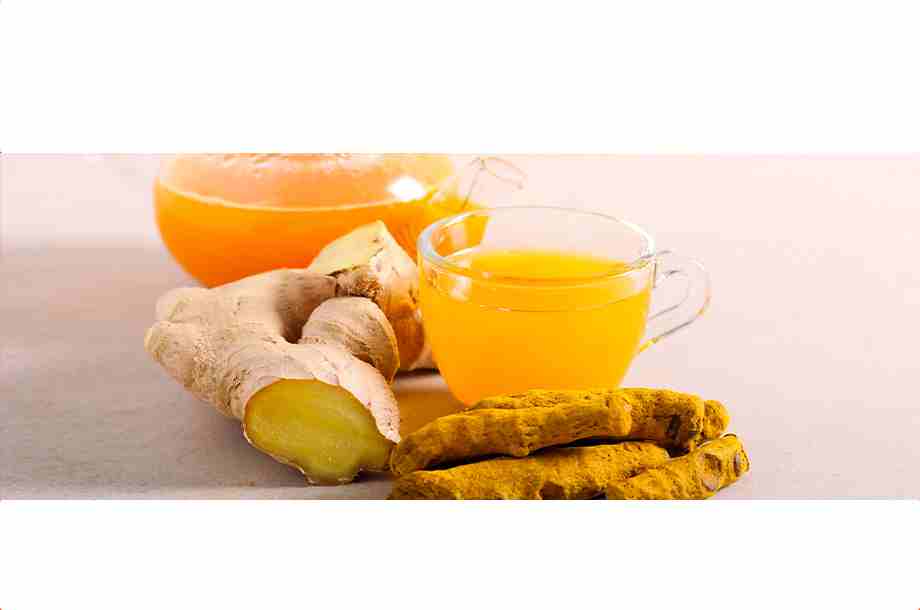
- Turmeric and ginger in food give mild comfort with no downside; they are not urate-lowering and should never be counted as treatment for someone already on tablets.
The part home remedies cannot do
- Nothing on this page lowers uric acid enough, for long enough, to dissolve the crystals already in a joint. That is what urate-lowering tablets do, over months, and what monitoring with a doctor supports.
- If attacks come twice a year or more, if there is any tophus — the chalky lump under the skin — if the kidney has thrown a stone or function has begun to slip, or if the joints are getting permanently stiff, then treatment is no longer about attacks. It is about the level, and it runs for years.
- Two medicines carry that job: one that stops the body making urate and one that helps the kidney remove it. Which one, at what dose, with what monitoring and what to expect about flares in the first months, is a doctor's conversation. Starting a low dose and going slow is the correct approach, and the commonest mistake men make is stopping when the foot is fine.
- Check the tablet list with the doctor. Water tablets for pressure, low-dose aspirin and some other medicines raise urate, and there are alternatives that lower blood pressure and urate at once. Never stop a prescribed tablet on the strength of an internet list.
- A gouty joint is not arthritis of wear-and-tear, and the two are treated differently. A man whose uric acid is never measured and whose weight, sugar, pressure and lipids are never looked at is being treated half over.
When to stop experimenting
- Fever with a hot swollen joint, or feeling unwell with it — same-day assessment. An infected joint is drained and treated, not cooled and waited on.
- First attack ever, an attack in a young person, or several joints at once, or an attack that does not settle in ten days.
- Chalky white lumps under the skin around the toes, fingers or elbow.
- Flank pain, blood in urine, or passing gravel — the kidney has entered the picture.
- Swelling of the feet, reduced urine, vomiting, or breathlessness along with urate problems.
- Repeated attacks while already on treatment, which usually means the dose is too low and the level has never actually been checked.
- Anyone who has taken an unlabelled capsule or injection for quick relief. That is where hidden steroids and painkillers appear, and it changes how the next doctor reads the kidneys and the stomach.
What we do at Aksa with a gout patient
- Two centres, Model Town and Burari, first consultation free. We look at the whole metabolic picture — weight and waist, sugar, lipids, pressure, kidneys, urine, the full tablet list including over-the-counter ones — and at the actual food-and-drink week, not the week of the attack.
- Our job is the routine: the water pattern, the plate, the liquor, the slow weight loss, the sleep, the gut, and the follow-up that makes an annual habit out of a monthly crisis. The urate-lowering treatment stays with the prescribing doctor, and we ask to see those reports.
- What we will not promise is that diet alone finishes this, that crystals can be melted by a decoction, or that gout is cured. Gout is one of the few arthritic diseases that can be controlled almost completely when the level is kept down — and that control is boring, monitored and long.
Related reading






Take the next step on your own case
Aksa physicians have been consulting on Ayurvedic care since 1992. Book a free video consultation and get a routine built around your digestion, sleep and history.