
Hyperacidity: the foods to avoid to get it under control
Our hyperacidity article judges the home remedies one by one. This one is the other half of the job: the foods and drinks that keep the burn coming back.
A trigger list is not a morality list. Food does not cause hyperacidity by being bad; it causes symptoms by one of four mechanical routes, and knowing which route explains why fat matters more than chilli.
How a food actually produces the burn
- It relaxes the valve between stomach and oesophagus, so acid moves upward. Alcohol, mint, chocolate and fat do this.
- It slows stomach emptying, so food and acid sit longer under that valve. Fat is the strongest example.
- It adds volume or gas, raising pressure inside the abdomen. Large meals, carbonated drinks and bloating foods.
- It directly stings a lining that is already inflamed. Citrus, tomato, very hot drinks, and in some people chilli.
Four routes, and only one of them is about the acid itself. That is why a diet built around avoiding all spicy food often fails while a low-fat, small-meal plan works.
Remove these first, in this order
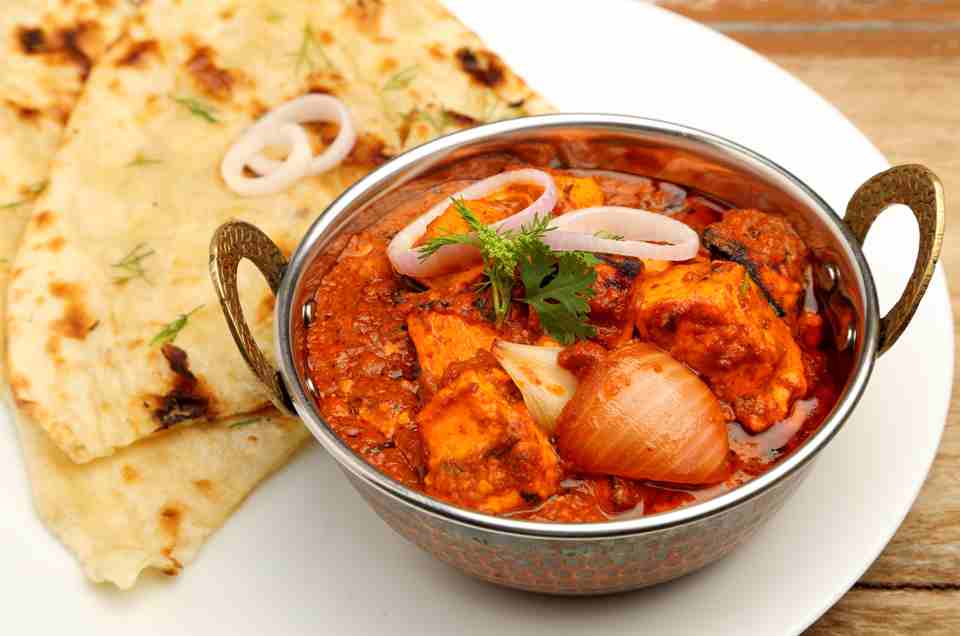
- Fried food, heavy gravies, buttery restaurant dishes, and large amounts of ghee or cream in one sitting. Fat does the most damage of anything on this page, through both the valve and the emptying route.
- Meal size, and late dinner. A full stomach lying down is the single most reliable way to produce night symptoms. Two moderate meals beat one large one, and dinner needs three hours before the bed.
- Alcohol, in any form, and especially nightly drinks. It relaxes the valve, irritates the lining, and disturbs sleep so the morning feels worse.
- Mint and peppermint. This surprises people who take pudina for digestion: mint eases gas but relaxes the valve and can worsen reflux. Strong mint tea, mint after meals and heavy pudina garnish are worth testing without.
- Chocolate, particularly large bars and the after-dinner habit - it carries fat, caffeine and methylxanthines together.
- Coffee and strong tea, especially the first cup on an empty stomach, and the five-cup day. Some people tolerate black coffee well; what usually does the damage is weak-tea-and-biscuit sipping from eight in the morning to eight at night, which keeps acid production running all day with no food to work on.
- Carbonated drinks and sodas. The gas expands the stomach and the belching that follows opens the valve each time.
- Citrus fruit and juices, and tomato in gravies, ketchup and sauces. On an already sore oesophagus these sting directly. A whole orange is not the same as a glass of four.
- Onion and garlic, raw especially. Real triggers for a meaningful group of patients, and among the most commonly missed because they sit in almost every Indian preparation.
- Very spicy food, if it is yours. The evidence here is genuinely mixed - chilli does not increase acid much, and many people with reflux tolerate it. But if your own flares follow the chilli, that observation outranks the research.
- Smoking and gutka. Nicotine relaxes the valve and reduces the saliva that neutralises acid.
- Long fasting followed by a big meal. An empty stomach with a heavy refill is a common weekday-to-weekend pattern.
The maybe list: test them, do not assume
- Full-cream milk, cheese and heavy paneer dishes - the fat is the issue, not the dairy. Curd and thin buttermilk are usually better tolerated.
- Deep-fried namkeen, biscuits and packaged snacks, which combine fat with refined flour.
- Pickles, papad and very salted food.
- Artificially sweetened and syrup-based drinks.
- Chewing gum and drinking through a straw, both of which make you swallow air.
- Very hot or ice-cold drinks.
- Raw cabbage, cauliflower and large amounts of dal without its water, where bloating is the main complaint rather than burning.
The list you can eat from
- Oats, dalia, rice, jowar and bajra roti, bread toast in moderation.
- Moong dal, and most pulses cooked soft with their water.
- Low-fat curd, thin chaas with roasted jeera, milk in small amounts.
- Vegetables other than the ones that sting you: lauki, tori, spinach, methi, beans, carrot, pumpkin, beetroot.
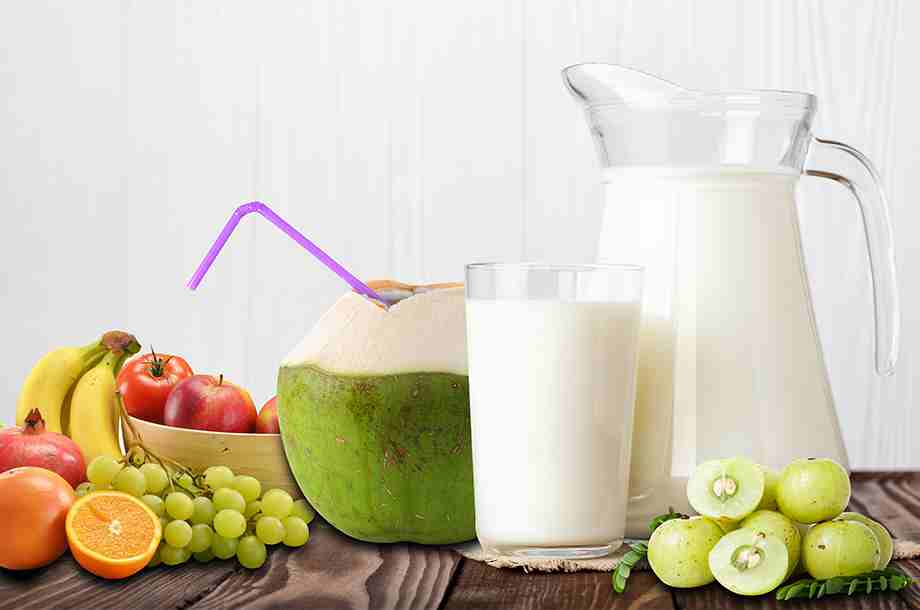
- Banana, papaya, melon, apple, pear, pomegranate; citrus only if it agrees with you.
- Coconut water, plain water, tulsi or ginger tea, saunf water.
- Boiled or poached eggs, grilled chicken and fish in ordinary portions.
- A teaspoon of ghee over rice or roti, and a handful of nuts - small amounts of fat are tolerated; a bowl of it is not.
How you eat matters more than what you cut
- Cook by steaming, boiling, grilling and baking. Restrict oil to two or three teaspoons for the whole meal rather than per dish.
- Do not make gravies with cream, butter or repeated tempering. The restaurant version of a home dish is a different food.
- Twenty unhurried minutes at the table. Speed is swallowed air and overeating at once.
- Four or five small sittings instead of two large ones, and never skipping breakfast to compensate.
- A ten-minute walk after each main meal. This empties the stomach faster than anything you can avoid eating.
- Stay upright for three hours after dinner. No reclining sofa, no bed, no floor back-rest.
- Loose waistband. Tight belts and shapewear are abdominal pressure, and pressure is what pushes acid up.
- Raise the head end of the bed by an inch or two. A wedge works; extra pillows bend the abdomen and make it worse.
- Bring abdominal weight down. Waist circumference is one of the strongest mechanical drivers of reflux.
The two-week method that gives you a personal list
Generic charts are long because they cover everybody. Yours can be four items.
- Days one to fourteen: remove the top five from the first list - fat and fried food, large late meals, alcohol, coffee on an empty stomach, and carbonation - and follow the eating rules above. Note daily whether the burn is present, and how strong.
- Days fifteen to thirty: bring back one item every three days, in a normal portion, and write down what happens that night and the next day. Chocolate, then mint, then citrus, then onion-heavy dishes, then coffee with food.
- Whatever produces symptoms twice is yours. Everything else can go back on the plate.
Most people end up with a short list and a much better life than the first chart promised. A few discover that their trigger is not a food at all but the timing and the quantity - which is a far easier thing to change.
What food cannot fix
No diet closes a hiatal hernia, clears H. pylori, heals an eroded oesophagus, or cancels the effect of daily painkillers. If symptoms persist after six honest weeks of this plan, or if swallowing has changed, weight has dropped, there is vomiting, black stool or anaemia, that is a testing question rather than a cooking one. Our hyperacidity article lists which symptoms mean a scope is overdue.
How we use this at Aksa
At our two centres the first sitting takes a real food history: what a weekday looks like from the first cup to the last bite, how much oil, when dinner, where you sleep, what painkillers you take, and what your reports say. We do not hand over a banned-food chart. We pick your two or three items, set the meal timings, add the bowel and sleep layer, and then recheck the bad-day count at six weeks - with the plan shrinking rather than growing if things settle.
Every individual is different, and so is every trigger list. This is general education, not a diagnosis, and it does not replace the advice of the doctor treating you.
Related reading




Take the next step on your own case
Aksa physicians have been consulting on Ayurvedic care since 1992. Book a free video consultation and get a routine built around your digestion, sleep and history.