
Rheumatoid arthritis: simple home remedies, and the ama behind it
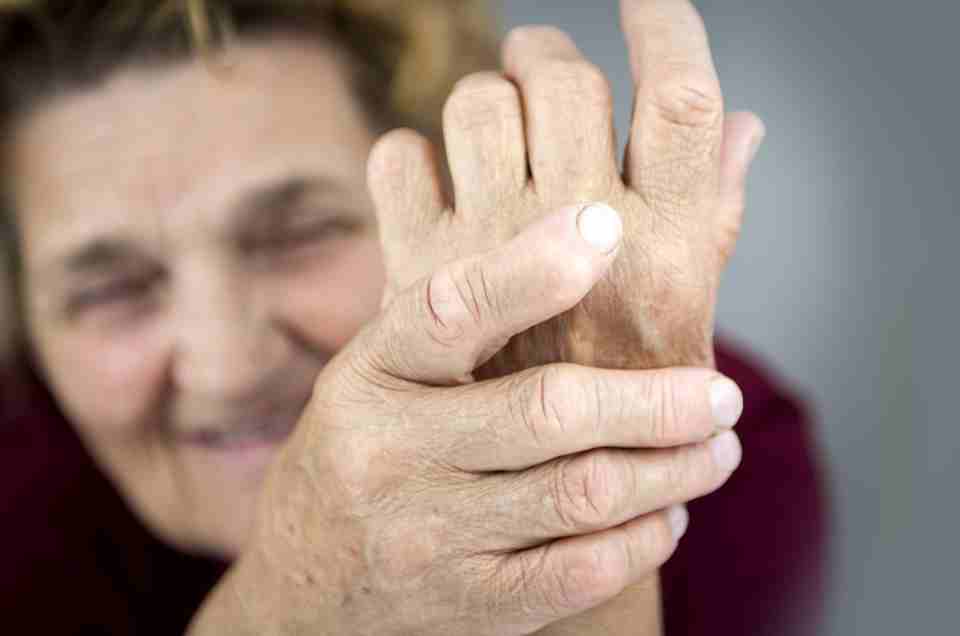
Rheumatoid arthritis is not ordinary joint wear, and no home remedy cures it. What home care can do is flatten the bad days while proper treatment protects the joints.
Is this rheumatoid arthritis or wear-and-tear
People arrive already labelled, and plenty carry the wrong label. The patterns differ.
- Rheumatoid arthritis: morning stiffness lasting well past half an hour that eases as you move, small joints of the fingers, knuckles, wrists and toes on both sides, joints visibly swollen and warm, attacks in waves with calm weeks between, and tiredness out of proportion to the pain.
- Osteoarthritis: stiffness that clears in five to fifteen minutes, pain that comes with use and settles with rest, larger weight-bearing joints like knees and hips, bony rather than soft swelling, and no systemic tiredness.
- Gout and pseudogout: one or two joints, sudden and savage, often the big toe or the knee, with normal stretches in between.
Blood tests settle it - rheumatoid factor, anti-CCP, ESR and CRP - alongside an ultrasound or X-ray of hands and feet. If you have swelling plus long morning stiffness, get that panel and see a rheumatologist. In inflammatory arthritis the first few months are the window in which treatment changes what the joints look like ten years later, and no home remedy buys that window back.
What is happening inside the joint
The lining of the joint, the synovium, is inflamed by the body's own immune system. It thickens, floods with fluid, and if it stays active it eats into cartilage and bone. That is why the disease is called erosive, and why a joint can look deformed years later even when the pain has been tolerable. Pain tells you about the inflammation. Only imaging and blood markers tell you about the damage.
Ama, in plain terms
In the Ayurvedic reading this picture sits among the ama-driven, vata-involving joint diseases. Ama is the concept for the sticky, poorly metabolised residue that forms when digestion is overloaded and tissue-level metabolism runs slow. The classical claim is that this material lodges in the joints, restricts their movement and feeds inflammation, and that the digestive fire, the bowels and the quality of sleep belong to the disease rather than sitting beside it.
We treat ama as a clinical model, not a laboratory value. It will not appear on your anti-CCP report. What is useful about it is where it points: in our experience, patients whose digestion, bowels, weight and sleep are chaotic do worse on the same medicines than those whose basics are in order. So the Ama-Vata frame earns its place in our plan as a checklist for the daily things, never as a replacement for disease-modifying drugs.
Home care that earns its place
These reduce symptoms. None of them alters the course of the disease, and we say that before anyone starts.
- Warmth in the morning. A hot shower, or a basin of warm water with hands and feet in it for ten minutes, shortens that stiff hour more reliably than any oil.
- Cold in a hot flare. An ice pack wrapped in cloth, ten minutes at a time, on a joint that is red, swollen and throbbing. Heat is tempting and usually makes an actively inflamed joint angrier.
- Movement every day, gently. Range-of-motion work for fingers, wrists and ankles, then something low-impact: walking on level ground, cycling, swimming or pool walking. In inflammatory arthritis, resting beyond a flare day makes stiffness worse. During a flare, rest that joint and keep the rest of the body moving.
- Splints, not tight bandages. A wrist splint at night through a flare gives real relief. Wrapping a hot joint tightly does not.
- Oil, gently. Warm sesame or olive oil rubbed lightly into stiff joints and muscles in the evening helps stiffness and helps sleep. Do not massage a swollen, hot joint - deep pressure on inflamed synovium prolongs the flare.
- Weight off the knees and hips. Every kilo carried is repeated load on joints already under attack, and fat tissue itself feeds inflammation. This is one of the few items on this page with a measurable effect on both pain and inflammatory markers.
- Stop smoking. In rheumatoid arthritis this is not general health advice. Smoking makes the disease more likely, more severe and less responsive to treatment. If you have RA and still smoke, this line outranks every remedy here.
- Sleep and stress. Bad sleep and sustained stress show up as flares in most patient diaries we read. Managing them is not a cure and not a character test; it is trigger control.
- Gums and teeth. Ongoing periodontal infection is associated with more active rheumatoid arthritis and with one of the antibodies that defines it. A dental check-up belongs in the plan.
- Food as a base, not a medicine. An anti-inflammatory pattern in practice means oily fish where you eat it, flaxseed and walnuts, vegetables, fruit, pulses and whole grains, olive or mustard oil, and less fried food, refined flour, sugar and processed meat. It supports the joints, the weight and the heart, which is the organ this disease also taxes.
- Fish oil. Many patients report genuine symptom relief from a fish-derived omega-3 supplement. The effect is modest, takes two to three months, and in high doses thins the blood - so discuss it first if you take anticoagulants.
- Turmeric and curcumin. The kitchen dose is food and is fine. Concentrated curcumin has real anti-inflammatory data and some patients get benefit as an add-on. It does not replace disease-modifying treatment, it interacts with blood thinners and some diabetes medicines, and cheap extracts vary wildly in quality. Tell your rheumatologist what you take.
- Ginger as tea, two cups a day. Soothing, mild, safe for most people, and not a treatment.
- Shallaki and boswellia extracts. There is a body of add-on research. Quality control is the problem, and so is the habit of using them instead of prescribed drugs rather than alongside them.
- Warm pools and Epsom salt soaks. Comfort measures. Cheap, and they help some people sleep.
- The bowels. Constipation sounds peripheral and is not. A sluggish bowel wrecks appetite, sleep and comfort, and in the Ama-Vata reading it is the first thing corrected. Water, fibre, movement, and a bedtime triphala where your doctor agrees with it.
What to stop doing
- Do not take an unlabelled joint capsule or injection that works dramatically well within days. Hidden steroids and painkillers are the single most common cause of the destroyed hips and rounded faces we are shown. Anything that ends an inflammatory disease instantly is a drug, whatever the label claims.
- Do not stop a steroid on your own. Tapering is a medical decision, and abrupt stopping can be dangerous.
- Do not stop a DMARD because the joints feel fine. Feeling fine is the medicine working. Damage continues quietly when treatment is interrupted, and the disease often returns harder.
- Do not fast, purge or detox to cure this. Extended fasts in an undernourished, inflamed patient do more harm than good.
- Do not chase a cure on the strength of one testimonial. Rheumatoid arthritis is a lifelong, treatable, manageable disease, and an honest clinic says exactly that.
The treatment line we do not cross
Methotrexate, hydroxychloroquine, sulfasalazine, leflunomide, azathioprine and the biologic injections are the treatments that prevent deformity. They need blood monitoring - counts, liver and kidney function - and they carry infection risk, so a fever or a chest infection on these medicines is a call to your doctor, not a wait-and-watch. Folic acid, vaccinations and pregnancy planning are part of that prescription, not side notes.
Our work sits on the other side of that line: daily comfort, digestion, weight, sleep, oils, exercises and patience. Ayurvedic supportive care runs alongside rheumatological treatment and never in place of it. If anyone offers to take you off your DMARDs and manage the disease with herbs alone, that is a reason to walk away.
A day that works
Morning: a warm shower or a soak for the stiff joints, then ten minutes of range-of-motion work before the day starts. Midday: a proper lunch with protein and vegetables, a short walk after it, and the medicines taken as prescribed with food. Evening: gentle oil on the stiff areas, the hand and ankle exercises again, a light dinner at least two hours before bed, and a fixed sleep time. Weekly: two or three low-impact sessions and one check-up item crossed off. Monthly: flare days and morning-stiffness minutes written down, because those two numbers tell your doctor more than memory does.
How we help at Aksa
At our two centres we start with the reports and the pattern: which joints, how long the morning stiffness lasts, how many flares a year, what you are already taking, and what your anti-CCP, ESR, CRP and imaging actually show. We read the reports rather than the label on them, and we ask you to keep the two numbers that matter - flare days and stiffness minutes. The plan is built around digestion, weight, sleep, movement and comfort, and the rheumatologist's medicines continue untouched. Where a joint is deteriorating despite treatment, we say so and send you back early instead of adjusting our own plan and hoping.
Every individual is different, and rheumatoid arthritis more than most. This is general education, not a diagnosis, and it is not a treatment plan for your hands.
Related reading

Rheumatoid Arthritis में steroid की दवा छुड़ाना संभव है
Read
सुबह उँगलियाँ अकड़ जाना — क्या यह Rheumatoid Arthritis की शुरुआत है
ReadRheumatoid arthritis: what good Ayurvedic treatment involves
Read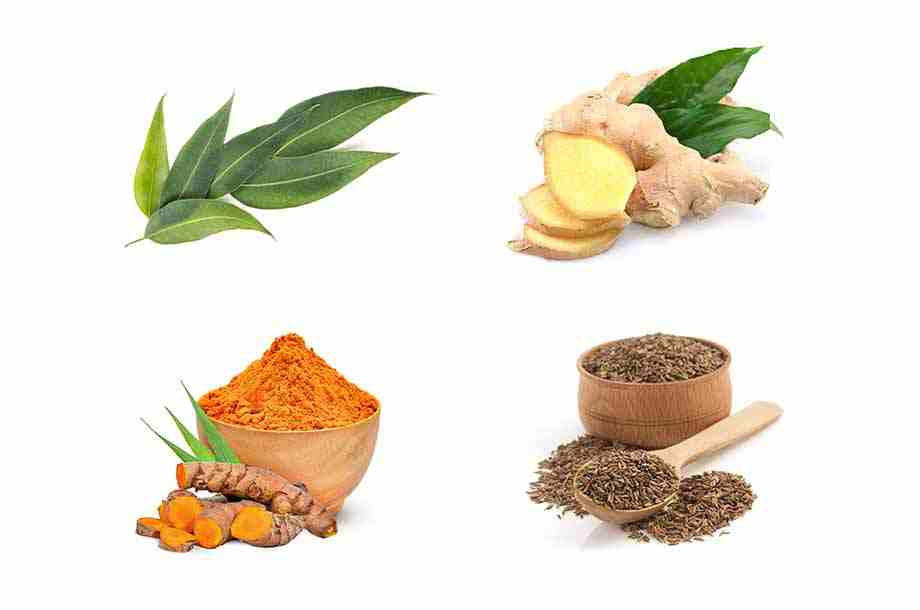
Arthritis: natural options worth trying
Read
Arthritis: why early diagnosis decides the outcome
Read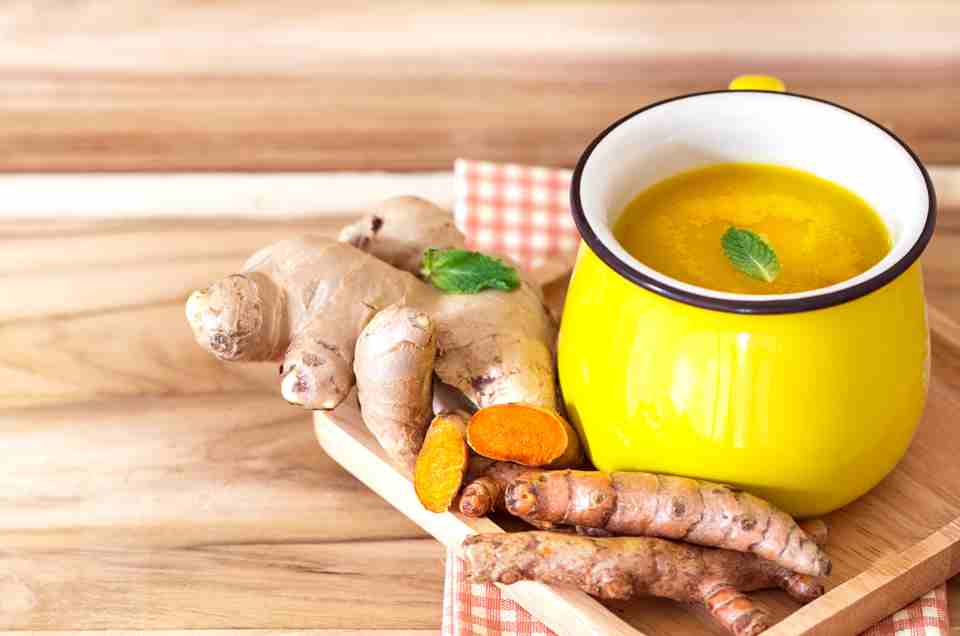
Ginger for arthritis: how we use it
ReadTake the next step on your own case
Aksa physicians have been consulting on Ayurvedic care since 1992. Book a free video consultation and get a routine built around your digestion, sleep and history.