
Arthritis: why early diagnosis decides the outcome

Joint pain gets endured until it becomes obvious. In the inflammatory kind of arthritis, by the time it is obvious, some decisions are no longer available.
That is the uncomfortable part of this subject. Not that arthritis is painful, but that the outcome depends heavily on when somebody first worked out which arthritis it was.
Arthritis is two different problems wearing one word
The word covers more than a hundred conditions, but in a clinic it sorts into two broad groups, and they are managed completely differently.
- Degenerative arthritis, or osteoarthritis. The cushioning cartilage between the ends of a bone wears down with load, age, injury and weight. It is a mechanical problem with a pain response on top, and it is by far the more common of the two.
- Inflammatory arthritis, of which rheumatoid arthritis is the best known. The immune system attacks the lining of the joint, the synovium thickens, and that inflamed tissue slowly eats into bone and cartilage. This is not wear. It is a disease of the immune system that happens to announce itself in joints.
There is a third group that gets missed inside both: gout, where uric acid crystals sit in a joint, and the pattern is a savage attack rather than a daily ache. Spondyloarthritis, which starts in the spine and sacroiliac joints of younger people, is the other frequent misreading.
The reason this matters is that one of these groups is something you manage and the other is something you can often stop. Confusing them costs time, and time is the resource that is not recoverable.
Why the first months matter more than the first year
In rheumatoid arthritis there is a period, usually described as the first three to six months of true inflammatory disease, in which treatment works best. Start an appropriate disease-modifying treatment inside that window and a meaningful proportion of people reach low disease activity or remission, and the changes to the bone on imaging can be prevented entirely.
Wait, and two things happen.
- The inflamed synovium does the damage it does, and the erosions it leaves at the edge of the bone do not grow back. No medicine, herbal or otherwise, rebuilds bone that has been eaten away.
- The disease becomes established and harder to quieten. The same drug that would have worked in month four often needs a second or a third added when it is started in year three.
This is why a diagnosis made at month two and managed properly is, in practical terms, a different disease from the same diagnosis made at year two.
What the pattern of pain tells you
Before any test, the history separates the two groups reasonably well. The questions worth answering honestly are these.
- How long is the morning stiffness? Degenerative joints are stiff for ten or fifteen minutes and then loosen. Inflammatory stiffness lasts half an hour or more, and people describe needing a hot shower before their hands work.
- Does movement help or hurt? Inflammatory pain eases as the day goes on. Mechanical pain builds with use and is worst at the end of the day or after a long walk.
- Which joints? Inflammatory disease likes the small joints of the hands and feet, and usually the same joints on both sides. Degenerative disease likes weight-bearing knees, hips, the base of the thumb and the spine.
- Is there visible swelling that is soft and warm, rather than a hard bony enlargement?
- Are there general symptoms: fatigue out of proportion to the pain, low fever, weight loss, dry eyes and mouth, autoimmune disease in the family?
- How fast did it come? One joint destroyed over twelve hours is gout or infection. Twenty joints over twelve weeks is something else.
None of these is a diagnosis. They are the reason a doctor orders the right test rather than a random one.
What the tests are actually looking for
The panel is short; the interpretation is the difficult part.
- ESR and CRP are inflammation markers. They rise with an infection, a dental problem or a bad cold, and can be normal in early inflammatory arthritis. They support a picture; they do not make one.
- Rheumatoid factor is the older antibody test. It is positive in many rheumatoid cases, also in some chronic infections and in a few perfectly healthy people, and it is negative in a real minority of genuine rheumatoid arthritis.
- Anti-CCP is the more specific antibody. A positive anti-CCP with compatible joints is a strong finding, and it can appear before the disease is obvious.
- Uric acid supports a gout diagnosis but is unreliable during an acute attack, when it can read normal or low.
- X-ray shows the damage that has already happened: joint space narrowing and erosions. It is frequently normal in the first months of inflammatory disease, which is exactly why a normal X-ray is not a clean bill of health.
- Ultrasound of the hands and feet is more sensitive than X-ray for early synovitis and can see thickening and fluid before bone changes. Where it is available, it is the test that most often settles a doubtful early case.
- Joint aspiration, taking fluid from a swollen knee, answers gout and infection directly. It is underused because people dislike the needle, and it is the fastest way to stop guessing.
Where Ayurveda sits in that timeline
The honest position is that Ayurveda belongs alongside the diagnosis, not in place of it.
What it does well is the layer prescription medicine usually ignores: the daily stiffness, the sleep wrecked by pain, the deconditioned muscles around a knee, the weight that is loading every joint, and the painkiller habit that quietly becomes twice a day. Diet, meal timing, oil massage for stiffness, supervised movement and the anti-inflammatory herbs we use as support all sit in that space. Classical texts describe the rheumatoid picture in terms we recognise at the bedside, and the ama-and-vata reasoning behind it is set out properly in our article on rheumatoid home remedies.
What it does not do is modify the immune attack. No herbal preparation has been shown to stop erosions. If a doctor has started methotrexate, leflunomide, sulfasalazine, hydroxychloroquine or a biologic, stopping it to try a remedy is how people end up with the hand deformity that was preventable at month four. Turmeric and boswellia also interact with other medicine, including blood thinners, so they belong on the same list as everything else being taken, and liver numbers matter when methotrexate is involved.
When to be seen this week
- A single hot, red, swollen joint with fever. That is an infected joint until proven otherwise, and it is an emergency.
- Morning stiffness over half an hour in the small joints of both hands, lasting more than six weeks.
- A joint that is visibly enlarging, or a deformity that has appeared over months.
- Spinal pain and stiffness in somebody under forty that is worse at rest and better with movement, especially with psoriasis or inflammatory bowel disease in the family.
- Pain so constant that sleep is broken most nights, or that needs daily painkillers to get through a working day.
What we ask at the first visit
At our two centres, the first question about a year of joint pain is which of the two arthritics this is, and the second is how many months have already gone by. That means a joint-by-joint examination, the antibody and inflammation panel, imaging where the examination points at it, and a clear account of what has already been tried and what was prescribed but stopped. Where an inflammatory arthritis is suspected, referral to a rheumatologist is not treated as a failure of Ayurveda. It is the correct next step, and the earlier it happens the better everyone does.
What we do not do is promise to reverse an erosion, replace a disease-modifying drug, or diagnose arthritis from a pulse. If the diagnosis is degenerative, we work on load, weight, movement and pain with a realistic aim. If it is inflammatory, we work alongside the treatment that controls it.
Every individual is different. Before starting any new remedy, herb or routine for joint pain, please consult a qualified doctor, especially if you are already on disease-modifying treatment, blood thinners or methotrexate.
Related reading
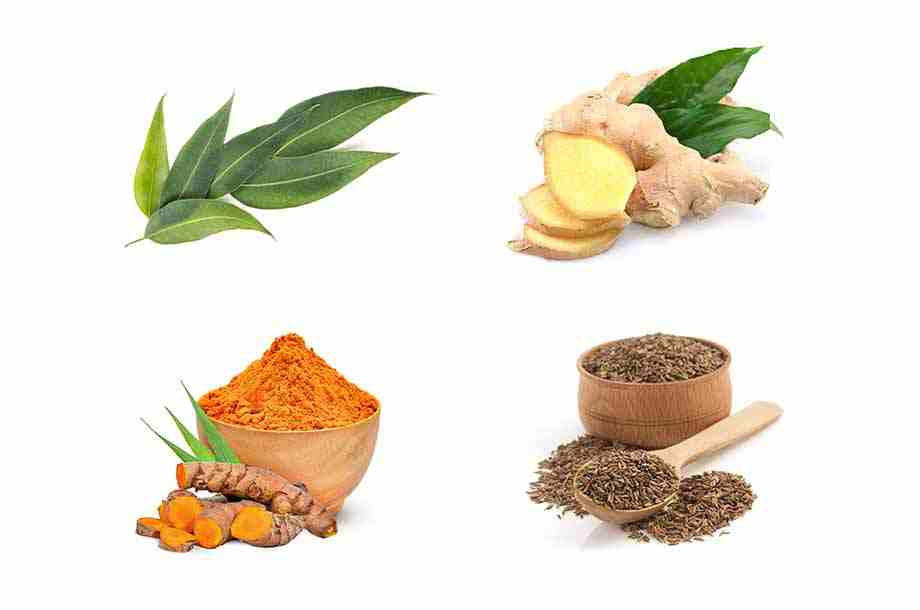
Arthritis: natural options worth trying
Read
Ginger for arthritis: how we use it
Read
Golden milk and arthritis: what turmeric milk really does
Read
Rheumatoid Arthritis में steroid की दवा छुड़ाना संभव है
Read
Rheumatoid arthritis: simple home remedies, and the ama behind it
Read
Turmeric and arthritis: what the evidence supports
ReadTake the next step on your own case
Aksa physicians have been consulting on Ayurvedic care since 1992. Book a free video consultation and get a routine built around your digestion, sleep and history.