
Fibre: the one diet change piles patients cannot skip
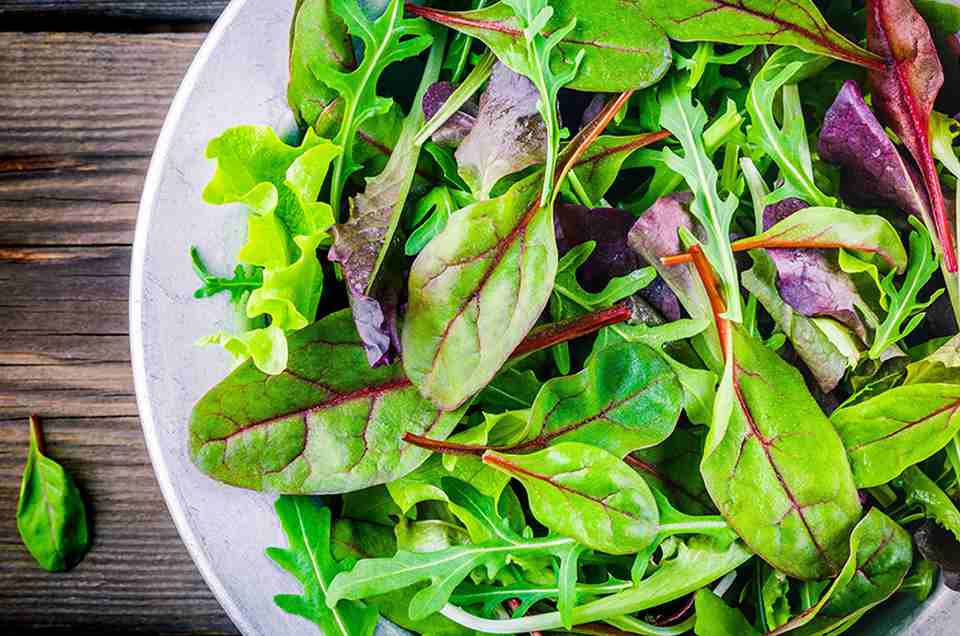
Fibre is the one diet change piles patients cannot skip, because straining at a hard stool is the engine that keeps piles going - and fibre is what stops the straining.
Almost every piles plan we write starts in the same place: not with a cream, not with a herb, but with the stool. A pile is a swollen cushion of tissue in the anal canal, and what irritates it day after day is the passage of hard stool and the pushing that follows. Soften the stool and the daily injury stops; keep it hard and no cream can keep up. That is why fibre sits at the top of the list, and why this article is about doing it properly rather than adding a spoon of bran and hoping.
Why fibre is the first change, not the last
Fibre is the part of plant food that the small intestine does not digest. It reaches the colon holding water, and that water is what makes stool soft and formed instead of hard and pellet-like. A soft stool passes with little or no pushing, and without pushing the cushions get a chance to settle.
There is a second effect that matters just as much: regularity. Fibre makes the bowel move on a schedule, so stool does not sit in the rectum drying out for two days. The combination - soft and on time - is what removes the daily strain. Everything else in a piles plan works better on top of it.
Soluble and insoluble: both, but differently
- Soluble fibre dissolves into a gel and holds water: psyllium husk (isabgol), oats, banana, cooked vegetables, dal and the flesh of fruit. This is the fraction that softens stool, and it is the one piles patients need most.
- Insoluble fibre adds bulk and speeds transit: wheat bran, whole grains, salad, the skin of fruit and vegetables. Useful, but on its own and without enough water it can make stool bulkier and harder - the opposite of what a pile needs.
The practical rule is soluble first, insoluble alongside, and water with both. A bowl of raw salad with no water and no cooked vegetable is not a piles diet; it is a constipation diet wearing a healthy label.
How much, and how fast
The general adult target is around 25 to 30 grams of fibre a day. Most people eating a refined diet are nowhere near it, and jumping straight to the target in one week produces gas, bloating and cramps - which is how most fibre attempts get abandoned.
- Add slowly: increase over two to three weeks, letting the gut adjust. A little gas in the first week is normal and settles.
- Water is part of the dose: fibre without water is cement. Aim for enough that urine stays pale through the day, and add a glass with each fibre-rich meal.
- Spread it out: fibre at every meal works better than one large dose at night.
- Judge it by the stool, not by the label: soft, formed, passed without pushing, once a day or once every other day. That is the target, whatever the gram count says.
Isabgol: how we actually ask people to take it
Psyllium husk is the most reliable single addition, and the most commonly taken wrongly. The details matter.
- One to two teaspoons in a full glass of water, stirred and drunk straight away before it thickens into a gel you cannot swallow.
- Follow it with another glass of water. The husk needs that water to work; taken dry or with a sip, it can do the opposite of softening.
- Usually at night, or after the evening meal, so the morning bowel has the benefit. Some people do better with a smaller dose twice a day.
- Keep it about two hours away from other medicines, because the gel can slow their absorption.
- Start with one teaspoon for a week before moving to two. And if swallowing is difficult or there is any narrowing of the gut, ask a doctor before using husk at all.
Food first: a day that reaches the target
- Breakfast: oats or vegetable dalia with a banana, or two whole-grain rotis with a bowl of curd. Add a spoon of soaked chia or flax if the bowel is slow.
- Lunch: half the plate cooked vegetables and salad, a bowl of dal or rajma, and one or two rotis or a modest portion of rice. Dal and beans are the quiet heroes here - soluble fibre and protein together.
- Evening: a fruit with its flesh - papaya, orange, guava without excess seeds - or a handful of soaked figs and raisins.
- Dinner: lighter than lunch, with a cooked vegetable and a bowl of soup or khichdi with vegetables. Finish three hours before bed.
- Through the day: water, and buttermilk if it suits you. Cut the constipating side of the diet at the same time - excess maida, fried snacks, and strong tea in place of water.
What fibre will not do
Fibre prevents the daily injury and lets early piles settle. It does not remove what has already formed, and it is not a treatment for every grade.
- A thrombosed pile - a sudden hard painful lump - is not softened away by fibre. It needs examination and often a simple procedure.
- Bleeding that is more than streaks on the paper, bleeding with dizziness, or blood mixed through the stool needs a doctor, not a diet change. Rectal bleeding is never assumed to be piles without examination.
- A prolapse that stays outside, or a grade three or four pile, needs a procedural or surgical opinion. Fibre remains part of the plan afterwards, but it is not the plan.
- New constipation with weight loss, a change in bowel habit after forty, or a family history of bowel cancer needs investigation before anyone calls it simple piles.
The toilet habit that makes fibre work
Fibre softens the stool; the toilet habit decides whether that soft stool still gets pushed. Both halves are needed.
- A footstool under the feet, knees above hips, leans the rectum into a straighter angle so less force is needed.
- Go when the urge comes, ideally after breakfast when the bowel's natural reflex is strongest. Holding it dries the stool out again.
- Five minutes on the seat, not twenty. No phone, no reading, no pushing through a blank minute.
- If nothing happens, get up and try later. Straining at an empty rectum is exactly the pressure that swells the cushions.
When fibre is not enough
Three to four weeks of proper fibre and water should change the stool. If it has not, the answer is a review, not a bigger spoon.
- Look for constipating medicines: iron, calcium, some painkillers and some blood-pressure tablets. The prescriber can adjust them.
- Consider thyroid and, in women after childbirth or men with prostate trouble, the pelvic floor and the outlet - a soft stool still will not pass if the exit does not relax.
- A short course of an osmotic laxative under a doctor's guidance can bridge the gap while fibre builds up. Stimulant laxatives in cycles are not the bridge; they make the bowel lazier.
And if bleeding, a hard lump or a prolapse is part of the picture, fibre remains the base but the examination comes first.
Where we fit in
At our two centres in Delhi, Model Town and Burari, the first sitting for piles goes through the stool and the toilet habit before anything else: how hard, how often, how long on the seat, and how much pushing. Fibre and water are set as a written target with a two to three week ramp, isabgol is demonstrated rather than just named, and the local care and any classical formula are added on top of that base.
Aksa physicians have been consulting on this since 1992, and a video consultation is free and needs no travel. Where examination is needed we see people at the two clinics, and if a grade turns out to need a surgical opinion, that is said in the same sitting rather than answered with another month of cream.
Every individual is different. Before changing any medicine, dose or routine - including starting husk or a laxative - please consult a qualified doctor, especially in pregnancy, with bleeding, or with any other treatment already running.
Related reading





Take the next step on your own case
Aksa physicians have been consulting on Ayurvedic care since 1992. Book a free video consultation and get a routine built around your digestion, sleep and history.