
Diet & Lifestyle
Anaemia: what it is, why it happens and what helps
Anaemia is not one disease and iron is not the universal answer. What the blood report actually says, which causes hide behind tiredness, and when iron is wrong.
The word anaemia means the blood carries less oxygen than it should because haemoglobin is low. That is the whole definition. Everything else — the tiredness, the breathlessness, the palpitations, the brittleness — depends on why it is low, and that why is the only thing worth finding. Two women of the same age with the same haemoglobin can need completely opposite treatment.
What it feels like before anyone calls it anaemia
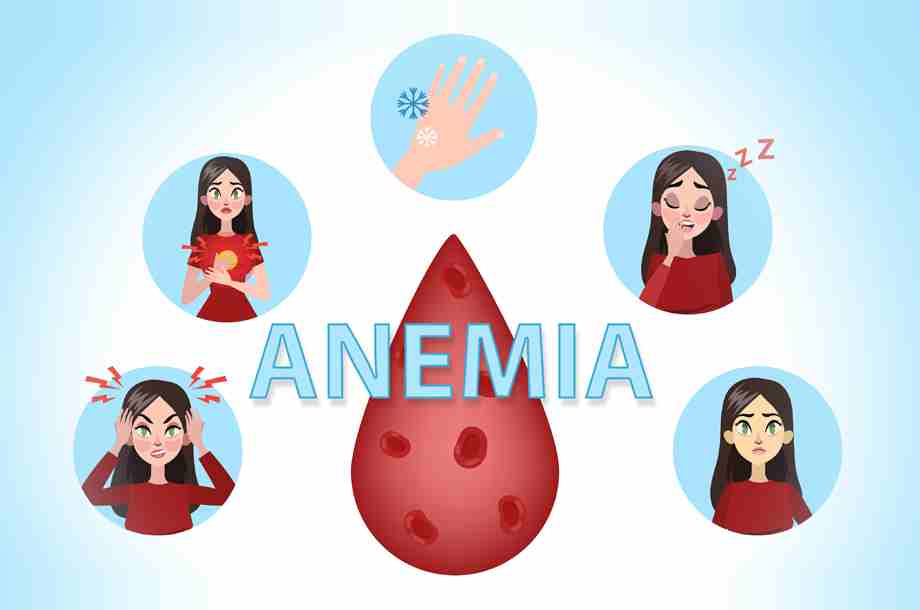
- Tiredness that sleep does not fix, and a walk to the gate that used to be easier.
- Breathlessness on stairs, on carrying groceries, or lying flat at night in severe cases.
- Palpitations, a fast heartbeat with small efforts, and a headache that arrives by the afternoon.
- Pallor inside the lower eyelid, on the gums and under the nails — not the palms, which are unreliable because of the way our hands work and wash.
- Brittle nails that split, hair that comes out in the brush, a sore or smooth tongue, cracks at the corner of the mouth.
- Pica — chewing ice, craving clay or raw rice, smelling and wanting petrol or mothballs. This one is close to specific for iron deficiency and people are embarrassed to mention it.
- Restless legs at night, mouth ulcers that keep coming back, and in children, poor appetite, poor marks and a short temper.
- Heavy periods, pregnancy, breastfeeding, rapid growth in a teenage girl or a strict vegetarian diet in the background — this is where most of our patients sit.
Why it happens — the four lanes a report has to sort through
Losing blood, or making too little iron
- Heavy menstrual bleeding is the single most common cause in menstruating women — a pad or tampon changed every hour or two, clots bigger than a rupee coin, periods running past seven days. That is not a normal variation to accept; it is a cause that needs finding, often fibroids, adenomyosis, an IUCD or a thyroid problem.
- Bleeding from the stomach or intestine: regular painkiller or aspirin use, H pylori, an ulcer, piles, polyps or, after fifty, something that needs a colon check. Black tarry stool and unexplained weight loss are not side notes.
- Worm load and untreated hookworm, still common enough to matter in India, especially with open drains and children walking barefoot.
- Donating blood repeatedly, or a nosebleed habit that nobody counted.
Not absorbing, or not eating enough
- A diet carried on rice, roti and tea carries little usable iron and little B12. Vegetarian diets can absolutely work, but they need planning, not goodwill.
- Tea and coffee with the meal, calcium taken with the iron tablet, and unopposed acidity medicines all reduce absorption. So does coeliac-type gut disease, and so does gut infection.
- Gastric surgery, long-standing constipation or diarrhoea, and hypothyroidism.
Not the iron lane at all
- Vitamin B12 or folate deficiency gives a different picture: large red cells, numbness and tingling, unsteady walking, memory and mood changes, a sore tongue. Iron will not fix it, and taking iron for a month hides the real problem while the nerves keep suffering. Strict vegetarians, vegans, older adults and people on long-term metformin or acid-suppression are the group to test.
- Thalassemia trait is very common in our population, including in Punjab and the neighbouring belt. It gives persistently low-ish haemoglobin from childhood with small red cells and a normal ferritin. It is not iron deficiency, it does not respond to iron, and iron given for years to a thalassemia trait patient causes real iron overload. Electrophoresis settles it. If you have been told repeatedly that you are anaemic but never improve on iron, ask for this.
- Anaemia of chronic disease — kidney disease, long infections, arthritis, cancer, hypothyroidism. Here the iron is present but locked away, and the treatment belongs to the underlying condition.
- Kidney disease deserves its own line: the kidney makes the signal that tells bone marrow to build red cells, and anaemia in kidney patients needs that doctor's decision, not an over-the-counter tonic.
- Rarely, bone marrow disease, aplastic anaemia, leukaemia or hemolysis. These come with low counts in other cell lines too — repeated infections, bleeding spots, bruising — and are the reason a full blood picture is read and not just the haemoglobin number.
The tests that actually answer the question
- Complete blood picture with the indices: MCV tells whether the cells are small, normal or large. That one letter sorts the lane.
- Peripheral smear looked at by a pathologist, because a machine cannot tell you about sickle cells, fragment cells or a B12 picture.
- Ferritin — the iron store. This is the number to insist on, and it must be read with a CRP or ESR, because ferritin rises falsely with any infection or inflammation.
- Vitamin B12 and folate where the indices or the symptoms point that way; TSH; fasting sugar; kidney and liver function.
- Stool for occult blood and for ova and parasites; deworming where indicated.
- After fifty with iron deficiency and no periods to blame, or any man with iron-deficiency anaemia: the gut has to be looked at. This is not an Ayurvedic decision.
- Women with heavy bleeding: a pelvic ultrasound and a gynaecologist, because the haemoglobin will keep falling while the cause is still there.
- Haemoglobin electrophoresis where thalassaemia trait or haemoglobin E is on the table, and before anyone marries if there is a family history — that test protects children, not reports.
What actually helps, in the iron lane
- Iron tablets taken on an empty stomach or with vitamin C, with water or lemon, not with milk, tea or coffee. Many people cannot tolerate that; then take it with a light meal and accept a slightly slower refill rather than stopping.
- Alternate-day dosing is now used deliberately by many doctors — a dose every other day refills stores with less gut upset and less blocking effect from the previous dose. Follow the prescription, do not double it to catch up.
- Expect the stools to go dark, and some nausea or constipation. That is normal and is not a reason to stop quietly; tell the doctor and change the salt, the dose or the timing instead.
- Continue for roughly three months after haemoglobin normalises. The stores fill slower than the blood, and stopping at the number is the reason the anaemia returns.
- Recheck at four weeks and at three months. No response at four weeks means the diagnosis is wrong or the bleeding has not stopped, and one of those is the next question.
- Diet as the maintenance layer: dal in real quantity rather than a spoon over rice, sprouts, chana and rajma, paneer and curd, green leafy cooking, seeds and nuts, jaggery with ginger where sugar is not a problem, and vitamin C in the same plate — lemon, amla, tomato, guava. Cooking in an iron kadai raises the iron content of the food, which is a genuine, cheap, slow trick rather than a miracle.
- Tea and coffee moved to one hour away from meals, not cut out. This single change often does more than the tablet.
- Deworming, treating the acidity properly, and taking thyroid treatment regularly where those are the reason.
Where Ayurveda sits honestly
- Classical preparations used in this field — dhatri and amla-based tonics, yashada-type bhasma, punarnava and manjistha combinations, iron-containing formulations like rasaina — have been used for generations, and some of them do raise haemoglobin alongside diet. The honest limits: they act slowly, they cannot replace the search for bleeding, and iron-containing Ayurvedic preparations add to iron load if given to someone who was never deficient. That is precisely the thalassaemia and kidney patient.
- Anything sold as a fast blood-building syrup with a colouring agent is not treating anaemia; it is treating a number, and the sugar in it is a real cost for diabetic patients.
- Bhasma and iron preparations must come from a labelled, tested source with a composition and batch. Unlabelled powders are the risk, not the classical system.
- What we can genuinely add at our two centres is the layer around the tablet: the plate, the tea timing, the appetite, the gut, the sleep, the periods being talked about openly instead of counted as normal, and follow-up that actually rechecks instead of refills.
Do not wait on these
- Breathlessness at rest, chest pain, fainting, a very fast heartbeat, or severe pallor with dizziness — that is emergency care now, and a transfusion decision is not a home-remedy decision.
- Black tarry stool, vomiting blood, blood in stool, or passing out with a bowel movement.
- Anaemia in pregnancy with haemoglobin under ten, or with any breathlessness — the baby's growth depends on this and the obstetrician needs to know today, not at the next scheduled visit.
- Fever with repeated infections, bleeding gums or spots on the skin along with low haemoglobin — that is a different investigation, urgently.
- Numbness, tingling, unsteady walking or memory change with anaemia: get B12 tested now. Nerve damage from long-standing deficiency is the part that only partly comes back.
- Any child with poor growth, pallor and a diet of milk and biscuits — a plan now beats a plan after two years.
- Old age with new anaemia and weight loss. Nobody should be told to take tonic for that without a workup.
What a first visit at Aksa covers
- Bring the report you already have. We ask about bleeding — periods, stool, nose, gums, donation — about the actual plate on an ordinary day, about tea timing, about acidity medicines and about the family history of thalassaemia.
- Examination of the eyelid, gums, nails, tongue and heart rate, and a plan for the tests that are missing rather than a prescription for something that was never established.
- Two centres, Model Town and Burari, first consultation free. Where the cause needs a gynaecologist, a gastroenterologist or a haematologist, we refer you that day and stay with the supportive side.
ShareWhatsApp
Related reading

Hair loss in teenage boys: what actually helps
Read
Jala Neti: nasal rinsing, and the headaches it helps
Read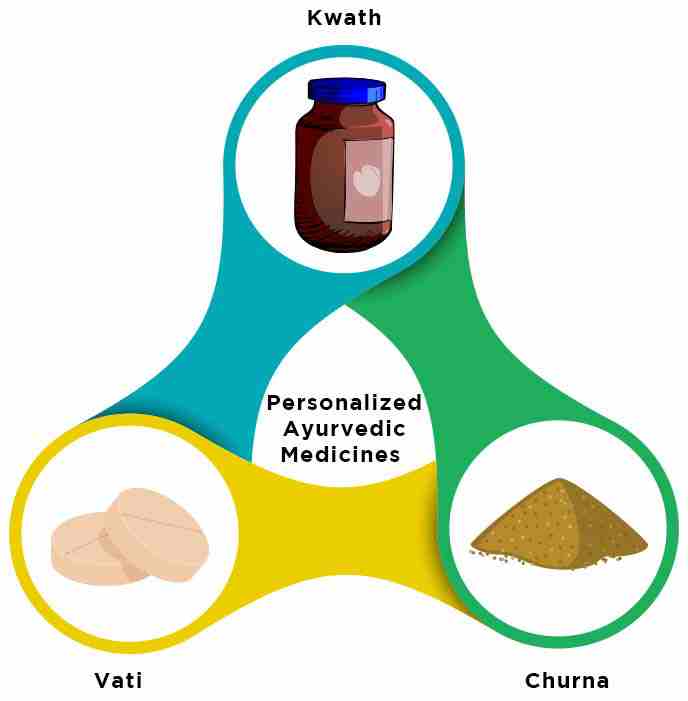
Kidney stone passed with Ayurvedic treatment — how it happens
Read
Low libido: causes and what actually helps
ReadYoga for PCOS: what helps and what won’t
Read
Alcohol से AVN — कितनी पीने पर हड्डी खतरे में आती है
ReadTake the next step on your own case
Aksa physicians have been consulting on Ayurvedic care since 1992. Book a free video consultation and get a routine built around your digestion, sleep and history.