
Respiratory Health
Allergies and Ayurveda: why the body overreacts

An allergy is not a weak immune system. It is an over-specific one: the body mistakes dust for a threat and spends real chemistry on it. What changes that pattern.
This page is about mechanism, because the mechanism explains the strange behaviour of allergies: why they come and go for years, why an antihistamine works in an hour and does nothing the next season, why a person can outgrow one allergy and develop another, and why the honest word in this field is control, not cure.
What actually happens in an allergic reaction
- First exposure: someone with the allergic tendency meets dust mite, pollen or a food protein, and the immune system makes a specialised antibody against it. Nothing feels wrong yet. This silent step is called sensitisation, and it is why the first season is often the last quiet one.
- Next meeting: that antibody sits on the surface of mast cells, which are packed just under the skin, the lining of the nose, lungs and gut. The allergen cross-links the antibody and the mast cell dumps histamine and other mediators within minutes.
- Histamine is what you feel: it widens and leaks small vessels, so the nose lining swells and waters; it itches; it squeezes the airways; it raises mucus. The rash that appears in a minute and fades in an hour is that same chemical, in the skin.
- Hours later a second wave arrives — inflammation cells drawn in by the first response. That is why an attack on Monday can leave the nose irritable and blocked until Thursday, and why the allergy that starts as sneezing ends as a cough.
Why this happens to some bodies and not others
- Atopy runs in families. One allergic parent raises the chance, two raise it further. The inheritance is for the tendency, not for the specific allergy, which is why a father with rhinitis gets a child with eczema.
- The barrier theory: skin and the nose lining are surfaces, and a surface that leaks lets allergens in where they should not meet the immune system. Eczema in infancy and rhinitis later often sit on the same leaky barrier.
- The hygiene hypothesis, stated honestly as a hypothesis: children raised with fewer infections, less dirt, more antibiotics and more indoor living seem to tilt towards the allergic setting. Rural upbringing, large families and farm milk have all been associated with fewer allergies — associated, not proven to work on command.
- Irritants do not cause allergy but they lower the threshold: pollution, cigarette smoke, frequent nose infections and harsh cleaning fumes make a lining that already reacts react faster.
- Timing matters in ways people misread. A new allergy at thirty-five is not unusual — sensitisation happens silently for years, and a move to a new city, a new job with dust or chemicals, a pregnancy or a viral illness can surface something that had been building quietly.
The pattern over a lifetime — the atopic march
- In many children it runs eczema in the first two years, then food sensitivity, then rhinitis around school age, then asthma in some. Not everyone walks the whole road, and the road can stop anywhere.
- Most children with mild eczema outgrow it; the ones who keep it, or who also develop rhinitis or wheeze, are the ones who need watching, because the march continues in that group.
- The practical point is early control: treating the skin properly, treating the nose properly and not letting a chest go undiagnosed for years is how the march is interrupted in real practice.
- Allergies also shift in kind. A child allergic to peanut may outgrow it and become sensitised to birch pollen, which then cross-reacts with apple and carrot. Cross-reaction is not a coincidence — it happens because two unrelated proteins look similar to the antibody.
How the classical view reads the same picture
- Ayurveda describes this as a body that reacts to otherwise ordinary material, classically grouped under issues of digestion and the tissue-level response, with Pitta-type inflammation and Kapha-type mucus and blockage appearing together.
- Translated into what we actually see in clinic: poor sleep, skipped meals, constipation, long courses of antibiotics, alcohol, sitting in one sealed room all day and a stomach that is constantly acidic. None of that creates allergy out of nothing. All of it lowers the threshold at which an already-sensitised person starts reacting every week instead of every season.
- That is also why the classical advice is unglamorous — regular meal timing, digestion respected, oil for the skin barrier, movement, sleep before midnight. It is not a cure. It changes how often the body is being provoked.
What genuinely changes the trajectory
- Identification: knowing which allergen matters, through a skin-prick test or specific IgE with a competent allergy department. Guessing wastes years.
- Avoidance where it is physically possible — dust mite encasings for the mattress and pillow, hot washing of bedding, no carpets and soft toys in the bedroom, mask while dusting, smoke out of the house. The full household list for a running nose is on our nasal-allergy guide rather than repeated here.
- Anti-inflammatory treatment taken continuously during the season, not only when miserable. A nose spray used daily for six weeks behaves completely differently from the same spray used on the three worst days.
- Allergen immunotherapy — the one treatment that changes the underlying response rather than the symptoms, given by an allergist over years, for selected confirmed allergies. We do not provide this and would rather send you to someone who can.
- Skin: the daily moisturiser matters as much as the cream for a flare, because the barrier is the point. Bleach baths and wet wraps are allergist- or dermatologist-led decisions.
- Emergency preparedness for anyone who has ever had a whole-body reaction: an epinephrine auto-injector prescribed, carried, and known how to use. That is a serious, boring, life-saving item and never a sign that a case is exaggerated.
What does not work, however confidently it is sold
- A permanent allergy cure in a fixed number of sessions, immune balancing that lets you eat anything again, and elimination diets that last a year and remove nine food groups without a dietitian behind them.
- IgG food-sensitivity panels, hair analysis for allergy, live blood microscopy and the rest — these do not diagnose allergy and are the most common reason a family loses money and time.
- Unlabelled capsules in this field are a real hazard: hidden steroids give wonderful relief for two months and then adrenal suppression, growth problems in a child and a rebound worse than the original. If something worked suspiciously fast and nobody has told you what was in it, that is the first question to ask.
- Allergy drops sold without a composition, essential-oil inhalers sold as cures, and nebulising anything at home that was not prescribed.
- Stopping prescribed preventer inhalers because Ayurvedic food is being started. Airway inflammation in an asthmatic child is not something to experiment with.
Red flags, in allergies specifically
- Any reaction with breathing difficulty, tight throat, hoarseness, swelling of the tongue or lips, vomiting with a rash, dizziness or a person becoming floppy and pale — that is anaphylaxis. Give epinephrine if prescribed and get emergency care immediately; antihistamines are too slow and do not open an airway.
- Wheeze, night cough or chest tightness that keeps returning — spirometry, not another season of syrups.
- Swelling around the eyes with fever and a painful eye, or a sinus infection that will not settle — the orbit is close to the nose and this needs same-day assessment.
- A child who cannot sleep because of itching, or whose skin is weeping and crusted, or who is growing poorly — the allergy is no longer mild whatever it looks like from outside.
- Anyone who has had a severe reaction should leave with a written plan and a referral to an allergy department, not with a prescription for a syrup.
What an allergy consultation at Aksa covers
- The lifetime pattern rather than today's nose: eczema as a baby, family history, which months, which rooms, which foods, which medicines, and what has already been tried and how it behaved.
- Examination of skin, nose, eyes and chest, and the discussion of which tests actually help — with an honest opinion of whether the allergy is the primary problem or a symptom of something else.
- A routine plan on food timing, sleep, skin barrier, gut, movement and household exposure, with the antihistamine, spray or inhaler your other doctor has prescribed staying exactly as prescribed.
- Two centres, Model Town and Burari, and the first consultation is free. Anything severe, whole-body, or in a small child gets referred to an allergy department the same day.
ShareWhatsApp
Related reading
Morning body stiffness: what it may indicate
Read
Night sweats: what the body is trying to clear
Read
Why allergies are worse in the early morning
Readएलर्जिक राइनाइटिस — छींक और नाक बहना बार-बार क्यों लौटता है
Readएलर्जी — दवा से राहत, फिर वापसी: इम्युनिटी असंतुलन का आयुर्वेदिक विश्लेषण
Read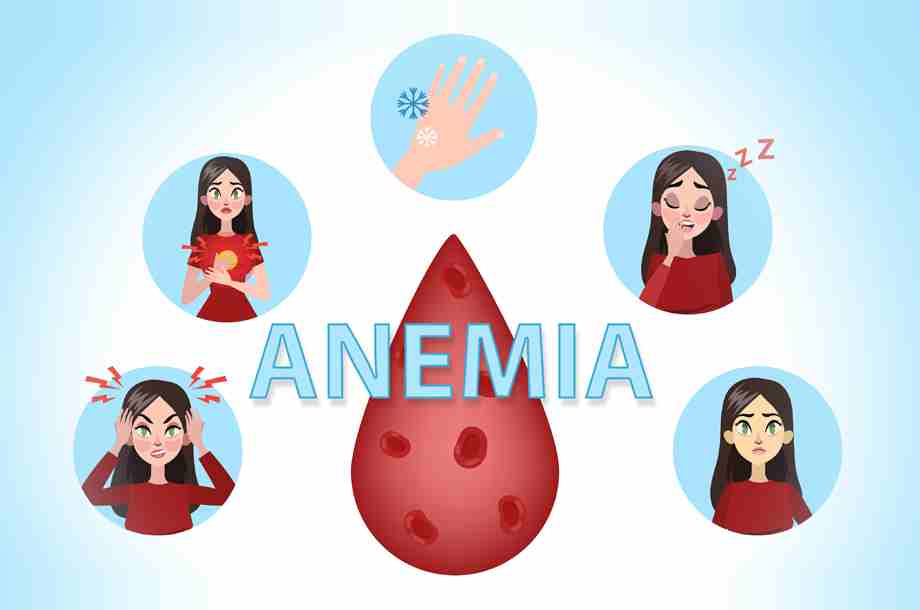
Anaemia: what it is, why it happens and what helps
ReadTake the next step on your own case
Aksa physicians have been consulting on Ayurvedic care since 1992. Book a free video consultation and get a routine built around your digestion, sleep and history.