Gout: the Ayurvedic approach to home remedies in India
A gout attack settles with rest and water whether you treat it or not. The next ten years are decided by the urate underneath — a diet, weight and medicine question.
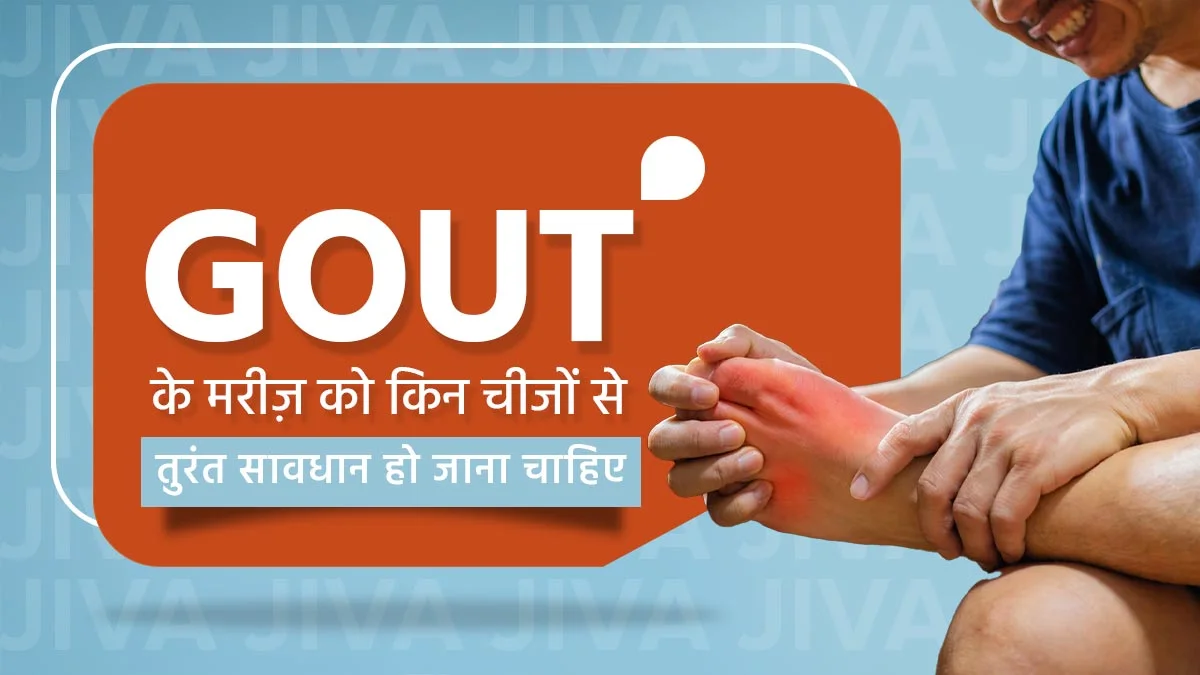
Gout is the joint pain that arrives overnight, usually at the big toe, and leaves after a week as if it never happened. That vanishing act is what makes people underestimate it. The crystal that caused the attack is still forming wherever uric acid stays high, and every attack that is left alone makes the next one arrive sooner.
What raises urate in an Indian routine
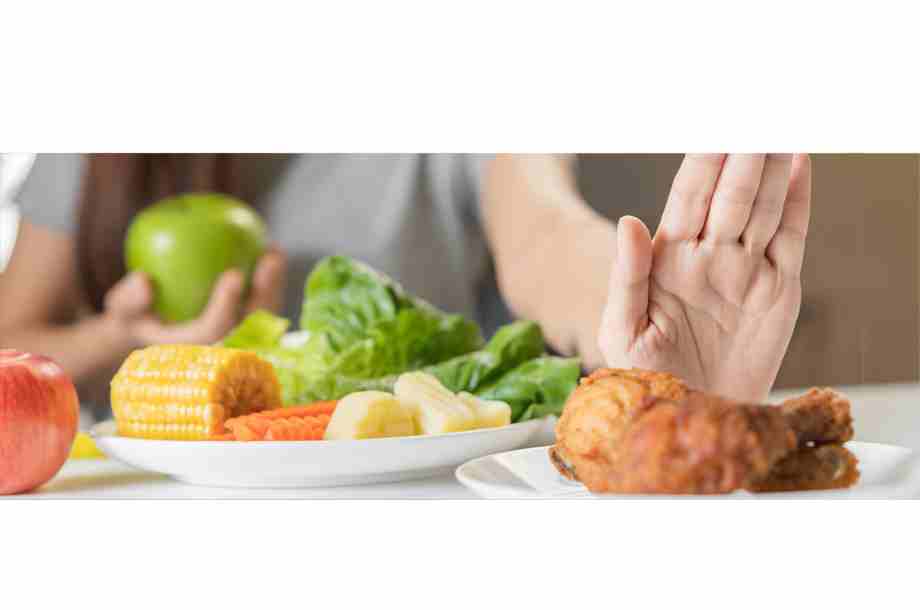
- Red meat, organ meat, prawns, crab and sardines are the heaviest contributors; a Sunday non-veg feast moves the number more than daily dal does.
- Beer is the worst drink for two reasons at once — purines in it, and the way alcohol handles lactate. Country liquor and evening pegs follow it.
- Sweetened drinks, packaged juice and energy drinks raise urate through fructose, and they do this in vegetarians too.
- A crash diet, a religious fast, ketosis or sudden heavy weight loss all raise urate and can trigger an attack — this surprises people who are trying to do the right thing.
- Dehydration concentrates urate: a hot workplace, a long train journey, a day of tea and no water.
- Some everyday medicines hold urate up: certain water tablets for BP, low-dose aspirin, and tuberculosis drugs in specific combinations. Never stop them; ask whether the regimen can be changed.
- Family pattern, kidney function, thyroid and body weight matter more than any single food, which is why one person eats the same thali and never gets a flare.
The classical reading, and its honest limit
- Classical texts describe a Vata-pittaja joint disorder with sudden, severe, night-worsening pain, redness and swelling, and they link it to unwholesome diet, alcohol and suppressed urges — an observation that maps well onto what we now measure.
- The idea of residue that clogs the channels is a way of describing a metabolic load that the body is not clearing. It is a framework for daily habits, not a substitute for a uric acid number.
- What the framework does badly: it invites the claim that the disease is 'purified out' in a course. Gout is managed by lowering urate over months, and no cleansing procedure does that.
- Cleansing procedures of the intensive type are not offered at our centres, and in an acutely inflamed joint they cause harm.
What actually shortens an attack
- Rest the joint, elevate the foot, cool compresses for ten to fifteen minutes a few times a day. Walking it off makes it worse.
- Water through the day, and no alcohol at all until it settles.
- An anti-inflammatory taken early and with food, at a dose decided for your stomach and kidneys — not a neighbour's prescription.
- Nothing to eat or drink is a treatment during an attack, but stopping beer, sweet drinks and red meat for the fortnight helps the number that follows.
- Ice on the joint, not hot oil or vigorous massage on a red, hot, swollen joint — that is the one place where home Ayurvedic habit backfires.
The long game, which is where remedies fail
- Two or more attacks a year, any tophus, any kidney stone, or already-impaired kidneys: urate-lowering treatment is the conversation to have, not another churn.
- Urate is targeted below a defined number and held there; crystals slowly dissolve over months. Stopping the tablet when there is no pain reverses all of that work.
- Starting urate-lowering treatment can itself provoke an attack in the first weeks, which is exactly why people abandon it and why a doctor covers that phase.
- Weight reduced slowly — a kilo a month, not five — because fast loss raises urate.
- Low-fat dairy, eggs in moderation, vegetables including the ones blamed on WhatsApp, cherries, coffee if you already drink it: none of these are dramatic, together they are the diet that keeps the number down.
The Indian-specific hazards
- Unlabelled powders and capsules sold as fast joint relief have repeatedly been found to contain steroids, painkillers or diuretics. Relief is real; the price is bone, sugar, kidney and stomach.
- Injectations given at home for 'immediate' relief are the same hazard in a bigger dose.
- Ayurvedic joint oils and balms are for the aching, stiff joint between attacks, not the hot swollen one during an attack.
- The 'gout diet' sold online that bans all dal and paneer is wrong on the facts and makes people protein-poor; purines from plants are far less troublesome than purines from beer and organ meat.
- Tea with every meal blunts iron and pushes people to snack more; move it an hour away from food.
When to be seen
- Same day: fever with a hot swollen joint, a joint that will not bear any weight, or a first attack in someone under thirty.
- Soon: attacks twice a year or more, chalky lumps under the skin, passing gravel or flank pain, or urate that stays high despite the tablet.
- Always: before starting or stopping any long-term medicine, and if the pain has changed character from overnight-and-gone to constant.
At our two centres
- Model Town and Burari, first consultation free. We look at the attacks, the weight, the drinks, the daily tablet list, the kidney and the urate number, and then set a routine that a family can actually cook and a working man can actually keep.
- We do not promise that diet alone finishes this, and we do not promise crystals dissolve with a churn. What we change is the load, the habits and the follow-up — the part that decides how many attacks you have in the next ten years.
One week to close an attack, thirty days to move the number
- Days one to three: foot rested, ice wrapped in cloth, an anti-inflammatory taken early with food, water through the day, and nothing walked for pleasure.
- Days four to seven: the pain fades, and this is the trap. Walking returns slowly, alcohol does not, and the joint is not tested just because it feels finished.
- Week two is where the real work starts: a urate reading, a list of every tablet you take including the water tablet for BP, and one honest conversation about weight and beer.
- Days thirty to ninety: weight down slowly, three non-negotiable food habits, and a repeat urate number instead of a repeat attack.
- After a second attack the conversation with your doctor changes from what helps now to whether urate-lowering medicine belongs in your life. That is a legitimate question and home remedies do not answer it.
The foods people wrongly give up
- Dal and beans are far weaker contributors than red meat, organ meat and beer. Most vegetarians with gout got there through weight, sugar and dehydration, not through the thali.
- Low-fat dairy, curd and buttermilk behave the other way and are mildly protective, so removing them from a diet buys nothing.
- Rice, roti, oats, vegetables and whole fruit are not the problem; portion and the sweet beside them are.
- Spinach and cauliflower carry a blame that does not match their small effect, while the bottled lemon drink beside them carries none — which tells you how these lists were written.
- Coffee in ordinary amounts is not on the avoid list. The four-pack, the daily peg and the packaged juice are.
Every individual is different. Before starting any new remedy or routine, please consult a qualified doctor, especially if you take BP tablets, water tablets, blood thinners or kidney medication.
Related reading
Take the next step on your own case
Aksa physicians have been consulting on Ayurvedic care since 1992. Book a free video consultation and get a routine built around your digestion, sleep and history.