
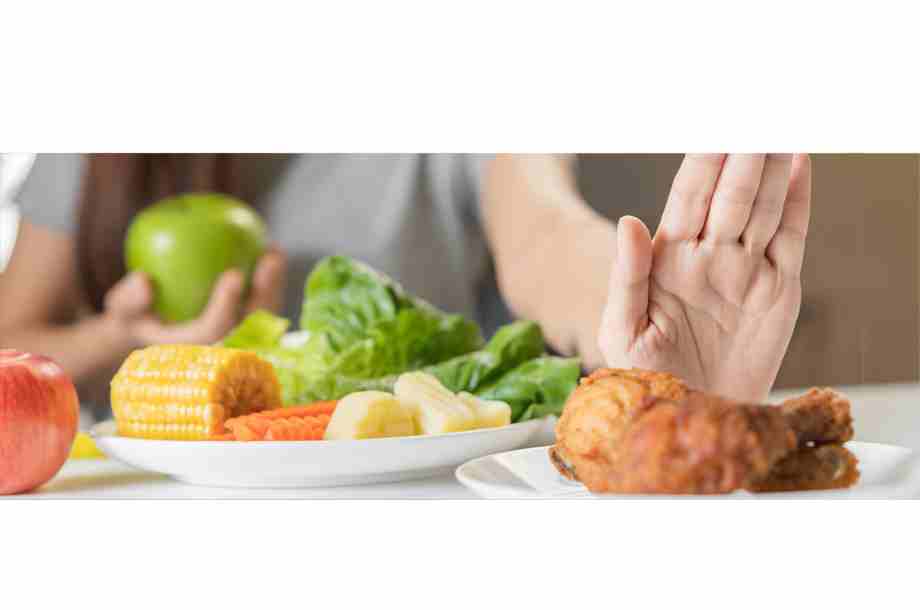
The mechanism is covered in our article on reducing uric acid. This one is the practical page: what goes in the basket, what comes out, and how strict you need to be.
Gout diets fail for two opposite reasons. Some people are told to give up everything tasty and last eleven days. Others are told diet does not matter at all and keep drinking beer with a joint that swells every month. The truth sits in a short list - and that list is smaller and more specific than most.
How to read this list
Three columns, in order of how much they matter.
- Avoid outright means it is a genuine trigger for most people with gout, and removing it is worth something.
- Limit means portion and frequency do the work. These foods are not villains; a diet built entirely on them is the problem.
- Eat freely means the food is either neutral or mildly protective, and should not be on any restriction list.
One more thing before the lists. If you have two or more attacks a year, tophi, or kidney stones, food is not the main lever - a urate-lowering medicine is, and it is the only thing that brings levels to target. Nothing here replaces allopurinol, febuxostat or benzbromarone, and none of them should be stopped because a diet is going well.
Avoid: the short, real list
- Organ meats. Liver, kidney, brain, sweetbreads, and the mutton offal plate are the single highest-purine foods anyone can eat. This is the one category where we do not negotiate.
- Certain seafood. Anchovy, sardine, sprats, herring, mackerel, shellfish, prawns and river fish are strong triggers. White fish cooked occasionally is a different matter.
- Yeast extract. Marmite-type spreads and yeast-based savoury supplements are concentrated and worth dropping.
- Sugary drinks and packaged fruit juice. This is the trigger almost nobody expects. Fructose pushed in as liquid raises urate faster than the same sugar chewed inside a fruit. Colas, packaged juices, energy drinks and syrup-based summer drinks belong here.
- Alcohol, and beer specifically. Beer carries purines from the brewing itself alongside alcohol, and spirits dehydrate. Wine is the least bad and still not free. During an attack, no alcohol at all - not even one.
- Deep-fried heavy meals and late feasts. Not because of purines, but because a heavy, fatty, alcohol-laden night is one of the commonest ways an attack actually starts.
Limit: where portions decide
- Red meat. Mutton and beef are not banned. A modest serving once or twice a week, on a plate that is otherwise vegetables and grain, is workable for most people.
- Poultry, eggs and inland fish. Reasonable protein sources in normal amounts.
- Rich gravies, pickles and very salty food. They push water intake down and blood pressure up, and many gout patients have both problems.
- Rapid weight loss, crash diets, fasting days and ketone diets. This deserves emphasis. Losing weight too fast, or going long fasts to detox, raises urate sharply in the short term and can start an attack. Slow, steady loss is the only kind we recommend.
- Large amounts of honey or jaggery. Better than refined sugar in the kitchen, but the fructose effect is the same.
The unfair list: plant purines
For decades people with gout were told to stop dals, amaranth, spinach, cauliflower, mushrooms and soy. That advice has not held up. The purines in plants do not appear to trigger attacks the way animal purines do, and pulses are the main protein source for most Indian vegetarians.
So keep these, with sense:
- Moong, masoor and whole moong sprouts - regular part of the plate.
- Tofu, soy and paneer in ordinary amounts.
- Spinach, cauliflower, French beans and mushrooms - eat them; do not build every meal on them.
If a specific food reliably brings on your own attack, that overrides any list, including ours. Keep a note for three months and you will know your own triggers better than any generic chart.
Eat freely
- Water. Two to three litres a day is the cheapest genuine intervention on this page. Thin urine, steady flush, fewer crystals.
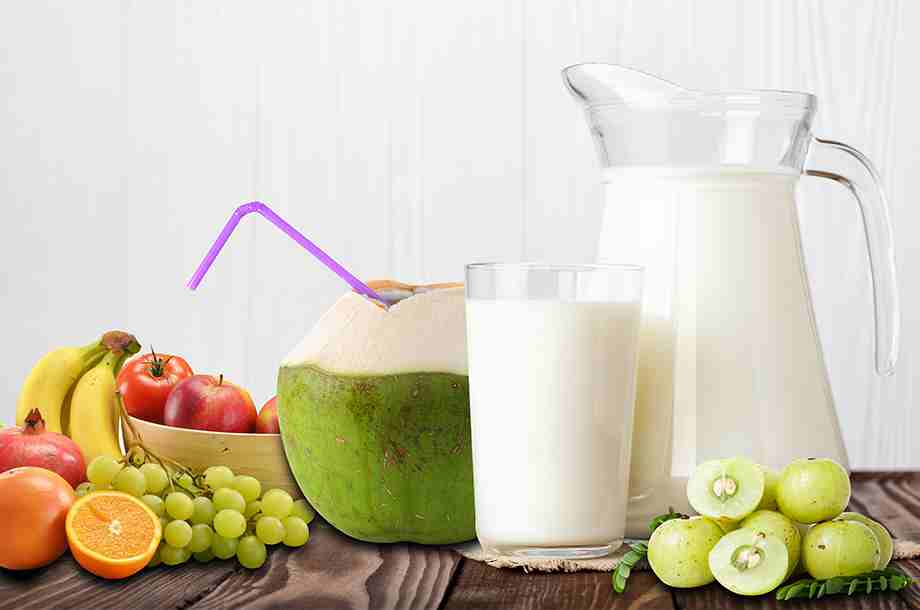
- Low-fat dairy. Milk, curd, buttermilk and paneer made from toned milk are the one food group associated with fewer attacks. Curd with lunch and a glass of milk at night is an easy habit to build.
- Vegetables and fruit, whole. Two to three whole fruits, not juices.
- Whole grains - roti, jowar, bajra, ragi, brown rice, oats.
- Coffee. Regular coffee drinking has been linked with lower urate. Not a prescription, and skip the sugar.
- Cherries and berries, citrus, amla. Modest effect, worth having as food rather than as a supplement.
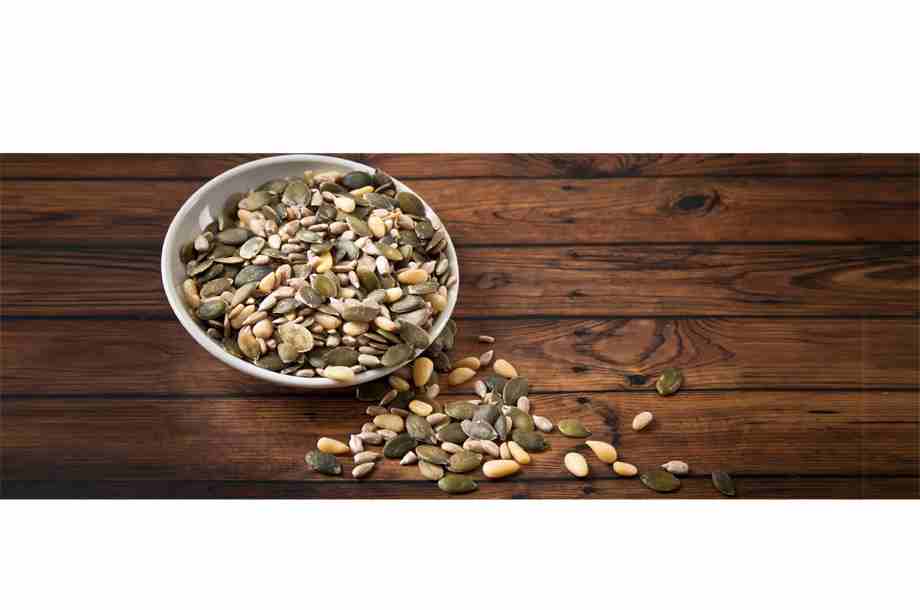
- Nuts and seeds in a handful, not a bowl.
Swaps that keep the food enjoyable
- Craving mutton on a Sunday? Half the portion, double the salad, and no alcohol with it.
- Prawn or fish fry as a habit? Move it to a festival food and keep grilled white fish in between.
- Packaged orange juice in the morning? A whole orange, or the fresh fruit after lunch.
- Cold beer most evenings? Water between every glass, and keep the weeknights dry.
- Sweet lassi or milkshake? Plain buttermilk with roasted jeera - it helps the gout and the waist.
- Biscuits and namkeen through the day? Roasted chana, makhana, or a handful of peanuts.
On the day an attack starts
Food will not stop an attack that has already begun, and this is where people lose time.
- Do not start or change a urate-lowering medicine during an acute attack. If you already take one, keep taking it - stopping and restarting is a classic way to prolong the episode.
- Rest the joint, elevate it, ice wrapped in a cloth for ten minutes at a time. Do not massage it and do not work it through the pain.
- Push water. Two to three litres through the day.
- No alcohol, no fast, no heavy meal until the joint settles.
- Use the anti-inflammatory your doctor has kept for these days, early. An attack caught on day one is shorter than one caught on day three.
- See a doctor for a first-ever attack, for fever with a hot swollen joint, or if the joint is not improving in three days. Fever plus a single hot joint is not a self-treatment situation.
Triggers that are not food
Most attacks have a stack of causes, and the diet is only one layer.
- Dehydration - summer, travel, long days without water.
- A sudden fall or rise in weight.
- Surgery, an infection, a fever, or an illness that put you in bed.
- Water tablets for blood pressure, and low-dose aspirin. Both raise urate. Never stop them on your own; ask whether an alternative fits your case.
- Binge eating after a period of strict dieting - the swing itself is a trigger.
What this list cannot do
Diet moves urate by a modest amount. For someone sitting well above target, no food list brings it to target on its own, and a tophi-bearing joint will not dissolve through avoidance alone. Where the levels stay high despite honest eating, that is not a failure of willpower - it is how urate handling works in the body, and it is a reason to review the medicine with your doctor rather than tighten the diet for the fourth time.
How we work with gout at Aksa
At our two centres the first sitting looks at the whole stack: how many attacks, which joints, what you actually eat and drink in a normal week, your weight, blood pressure, kidney function and current medicines, and what your uric acid, creatinine and ultrasound reports say. We do not hand over a banned-food chart and send you home. Ayurvedic supportive care runs alongside the urate-lowering medicine and any treatment your physician has started; the aim is fewer attacks and a protected joint, not a substitute prescription.
Every individual is different. This is general education about food and urate, not a diagnosis, and it does not replace the advice of the doctor managing your treatment.
Related reading

Take the next step on your own case
Aksa physicians have been consulting on Ayurvedic care since 1992. Book a free video consultation and get a routine built around your digestion, sleep and history.