
Preventing joint pain: what Ayurveda asks you to do daily
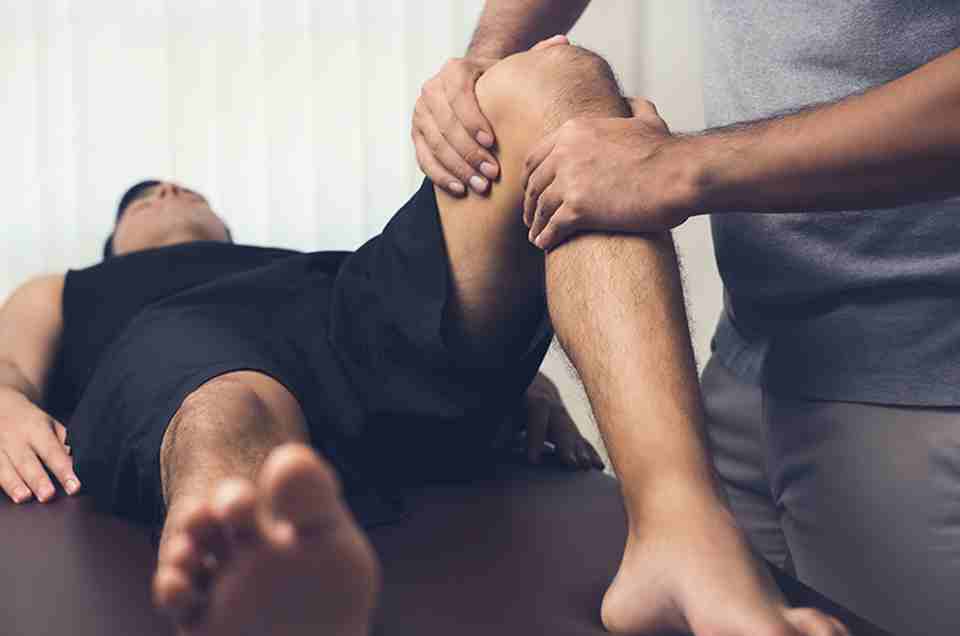
Joint prevention is unglamorous and it works: load, movement, warmth, footwear and strength, decided between breakfast and bed rather than in a bottle.
The classical instruction is called vihara — the daily regime — and in the joint chapters it is remarkably practical: keep the body moving, keep the weight light, keep the knees from carrying sudden load, keep warmth at the joint, and do not push a stiff joint into cold and stillness. Modern joint care agrees with all of it and adds two things: strength and footwear.
Load is the first variable
- Weight. Every step puts several times the body's weight through a knee. Losing even a few kilos changes the daily dose of load more than anything else on this page.
- Repetition. Standing work, floor scrubbing, squatting while cooking, kneading, and long hours on a two-wheeler with a bent knee are all load. The dose matters more than the activity.
- Lifting with a twist is the single most common way a healthy back becomes a painful one. Load close, feet moved rather than the spine rotated.
- Carry on one shoulder. A heavy bag on the same side every day is a shoulder and neck problem in the making; alternate, or put it on wheels.
- Stairs used as exercise are not free. For an already sore knee, stairs are a heavy-load day; for a healthy one, they are good work.
Movement is joint nutrition
- Cartilage has no blood supply of its own; it moves fluid in and out with compression, which means it feeds on movement. A joint kept still for weeks gets worse, not rested.
- Thirty minutes on most days, in a form you can keep: walking on even ground, a cycle at low resistance, swimming or water walking for a knee that already hurts.
- Strength twice a week for the muscles around the joint — thigh for the knee, hip and back for the spine, shoulder blade muscles for the shoulder. This is the closest thing to insurance in the list.
- Range of motion daily, gently, through the whole movement, especially for the neck, shoulder and hip after a period of rest or illness.
- The weekend spike is the classic injury: sedentary five days, then a long trek or a five-a-side match on Sunday. Build the same activity across the week instead.
The Indian day, specifically
- Sitting on the floor and getting up from it is a deep-knee load most people repeat twenty times a day. A chair changes this more than any oil.
- Low sofas, low car seats and low beds all force the knee and hip past what they can comfortably do. Raise the sitting height and the getting-up becomes free.
- Indian toilets require full knee flexion and ankle load; a squat that has never been trained is where the pain starts. Support, or a raised seat, for anyone with sore knees.
- Long hours in slippers and flat rubber chappals on hard floors give the heel and the knee no cushion. A walking shoe with some heel support is not a foreign habit.
- Two-wheeler commuting with a locked, bent knee and a hunched neck is a daily dose of both. Stand and stretch at every signal and every stop.
- Carrying buckets, gas cylinders and grocery bags by twisting to place them. Set them down with the feet, not the spine.
Warmth, oil and the daily comfort routine
- Warmth before activity for a stiff joint, cold for a swollen and hot one. This is the classical rule and it is still the right rule.
- Oil massage with sesame or a medicated oil reduces stiffness and improves how the joint feels. It does not rebuild cartilage and it is not treatment for an infected or gouty joint. On a red, hot, swollen joint, do not massage at all.
- A warm shower before starting the day's physical work, and gentle movement rather than stillness afterwards.
- Keeping the knee and neck out of direct air-conditioning and cold drafts, which is what the texts mean by avoiding vata-aggravating cold — and which most people experience as less morning stiffness.
- Night: a pillow between the knees for a side sleeper, one under the knees on the back, and a mattress that is firm enough that the hip does not sink.
The blood side of prevention
- Sugar. Diabetes damages nerves and joints, freezes shoulders and slows every recovery. Control it as joint care.
- Uric acid and gout. Beer, organ meat, prawns, sweet drinks and crash dieting all raise it; the joint that keeps swelling is telling you something the diet chart did not.
- Vitamin D deficiency is common in indoor workers in this country and does cause a deep, aching, proximal muscle and bone pain that people mistake for arthritis. Test when there is a reason; do not megadose on someone else's prescription.
- Thyroid and haemoglobin, both of which produce muscle and joint symptoms that vanish when the level is corrected.
- Hydration, especially in a hot workplace, because a dehydrated disc and a dehydrated tendon are both less forgiving.
The five-minute daily list
- Ten slow knee bends to the chair height you actually use, twice a day.
- Straight-leg raises, ten each side, while watching something.
- Shoulder blade squeezes and a doorway stretch for anyone who sits at a screen.
- Neck isometrics: palm against the forehead, side and back, five seconds each, without movement.
- Calf and hamstring stretch before getting out of bed on a stiff morning.
- Two minutes of walking before the first stair of the day, so the joint is loaded warm rather than cold.
When prevention is not enough
- A joint that is swollen, red and hot with fever; a joint that locked after a twist; pain that wakes you at night with weight loss; a leg that is short after a fall; numbness or weakness travelling down an arm or a leg; or pain that has not improved in six weeks of doing all of this — all of these need an examination and an opinion, not a stronger routine.
At our two centres
- Model Town and Burari, first consultation free. We look at the joint, the day and the reports, then write down the load, the strength work, the warmth rule and the footwear for your actual routine — with the medicine where medicine is needed, and the honest line between what improves and what will not be reversed.
Over forty, and after an injury
- After the menopause, bone density falls and joints ache differently. That is a reason for strength work and a calcium and vitamin D plan decided with a doctor, not a reason for rest.
- Falls are a joint injury more often than sport is. Bathroom grip, a night light, loose rugs removed, and footwear with a back strap do more for a hip than any oil.
- After any illness with bed rest, a fracture, or an operation, the joint does not resume at its previous load. Return in thirds: a third of the distance, a third of the weight, a third of the hours, built up over four to six weeks.
- Warm up before the day's heaviest physical work, even if it is only ten shoulder rolls and two minutes of marching. A cold shoulder lifted into a load is how the tear happens.
- One increase a week — distance, weight or hours, never all three at once.
What to stop believing
- 'Knees wear out from use.' They wear from disuse, from unaccustomed load and from weight. A walked knee is a nourished knee.
- 'Rest it until the pain goes.' A few days, yes; weeks, no. Stiffness gains ground faster than pain heals.
- 'Calcium tablets will fix the joint.' Calcium is bone, not cartilage, and it is prescribed for a reason and a dose.
- 'Oil strengthens bone.' It improves the comfort of the covering tissues and the sleep that follows. That is worth doing and is not structural.
- 'Cracking knuckles causes arthritis.' It does not. Habitual forceful cracking of the neck by someone else, on an arthritic spine, is a different matter.
- 'Only vegetarian food is enough protein.' Many days of dal-and-roti-only eating fall well short, and hair, muscle and joint all show it before the weight does.
- 'Pain means damage is happening now.' In a long-standing, stable, X-ray-confirmed arthritis, pain that eases as you warm into movement is a signal to keep going, not to stop.
Every individual is different. Before starting any new remedy or routine, please consult a qualified doctor, especially if you are pregnant, on regular medication for BP, sugar or thyroid, take blood thinners, or have liver or kidney problems.
Related reading

3 simple home remedies for joint pain
Read
5 easy Ayurvedic tips to keep joint pain down
Read
5 mistakes that are making your joint pain worse
Read
Ayurvedic oils for joint pain, and how to use them daily
Read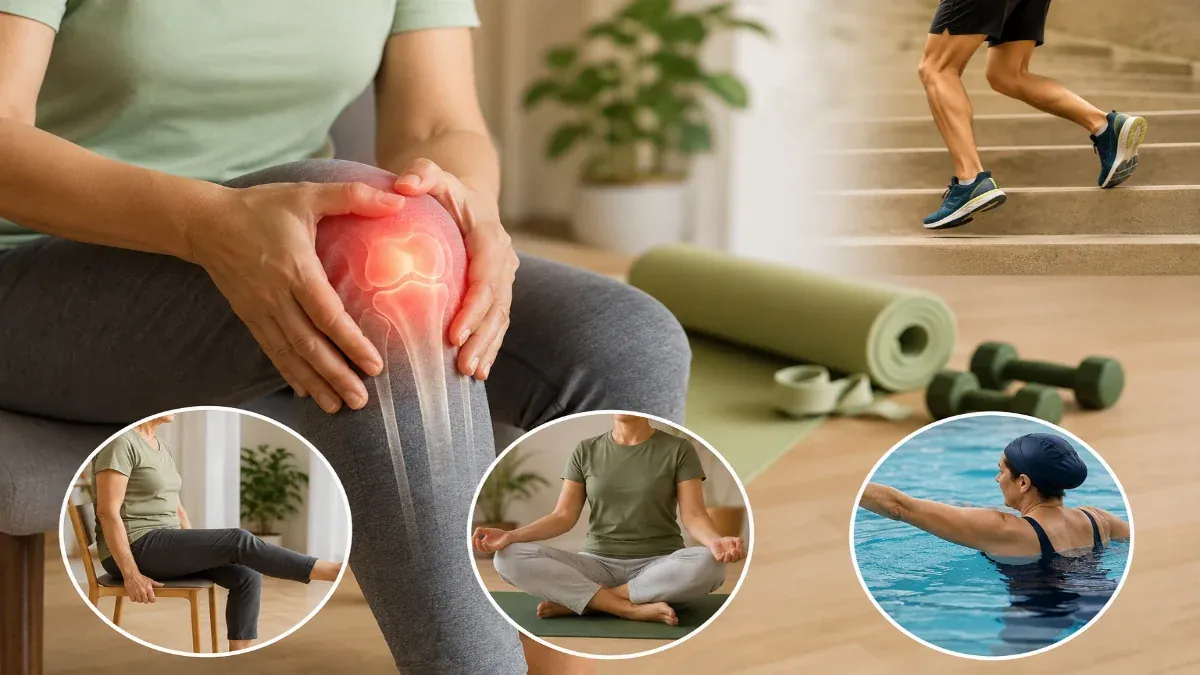
Joint pain में कौन सा movement सही है और कौन सा नहीं
Read
Joint pain: home remedies worth trying first
ReadTake the next step on your own case
Aksa physicians have been consulting on Ayurvedic care since 1992. Book a free video consultation and get a routine built around your digestion, sleep and history.