
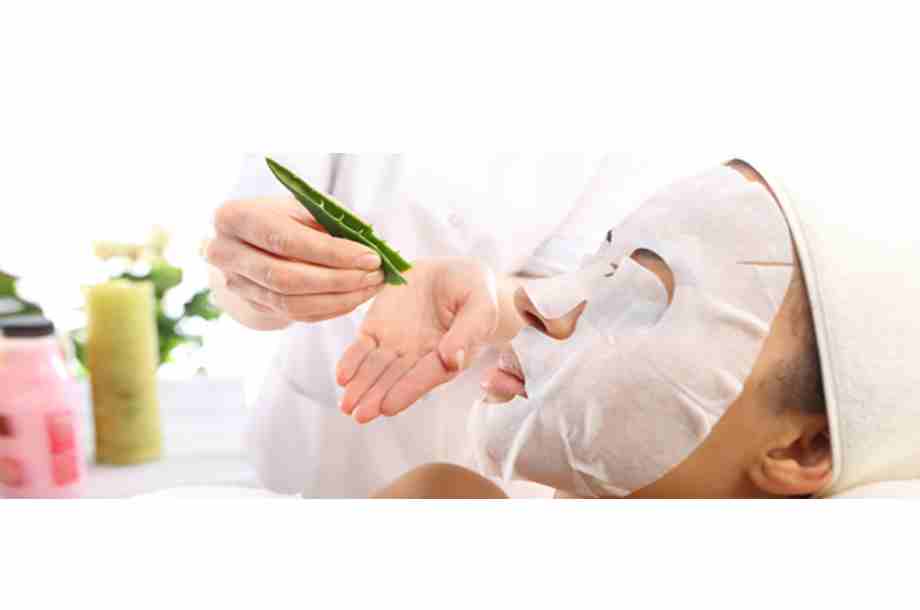
Eczema is a leaky skin barrier with an over-eager immune system behind it. The answer is a great deal of emollient and a sensible amount of steroid; herbs bring comfort.
Atopic dermatitis runs in flares and quiet periods, which is why every treatment feels like it worked for two weeks and then stopped. It is not caused by dirt, not caused by an unhealthy liver, and in most adults not caused by food. It is caused by a barrier that loses water and lets irritants in, in a person whose immune system over-responds to what gets through.
The base treatment, which is not optional
- Emollient everywhere, every day, on the whole body and not only on the patch. Most adults use far too little; if a tub lasts two months, the dose is wrong.
- Applied within three minutes of getting out of the bath, on skin that is still damp, and again after every handwash.
- An ointment is better than a cream for very dry skin even though it feels greasy; a lotion is easier on a hot, hairy body.
- Bathing: short and lukewarm, soap only where it is actually dirty, no bubble bath, no loofah on the patches, patted dry rather than rubbed.
- Laundry: a non-biological detergent, an extra rinse, and new clothes washed before wearing. Fabric softener is an irritant sold as a softener.
- Cotton at the skin, wool and synthetics over it, and a room that is not too hot at night because sweat itches more than almost anything else.
- Nails cut short, cotton gloves at night, and the conscious decision to press or pat an itch rather than scratch it, which is the actual skill of this disease.
The flare, and the steroid question
- Topical steroids are the treatment for a flare. Used at the right strength, on the right area, for a defined number of days, they are safe and they prevent the skin from getting far worse.
- The fear of them is the single commonest reason eczema stays bad in this country. Under-treating a flare produces thicker, more inflamed skin that then needs stronger treatment for longer — the opposite of what the family was trying to avoid.
- The face, the groin and a child's skin need a weaker preparation than a palm or a sole, and the face should not be on a strong steroid for weeks. That is a prescribing decision, not a home decision.
- Maintenance dosing — a weekend application on the recurrent sites under supervision — prevents flares in people who relapse in the same two places every month.
- Weeping, yellow crusting, spreading redness or fever means infection, and that needs treatment for infection rather than more moisturiser.
- An antihistamine at night helps the sleep more than the itch, which is still worth doing; the sedating ones are not for children without advice.
- For eczema that keeps coming back on the eyelids, hands or over large areas, a dermatologist has non-steroid options — calcineurin inhibitors, bandaged therapy, phototherapy and, in severe disease, tablets and injections. That conversation should happen after three months of struggle, not after three years.
Triggers worth chasing, and ones worth ignoring
- Real and common: heat and sweat, dry winter air, harsh soap and detergent, wool and fragrance, house-dust mites in a bedroom with carpets and soft toys, a viral illness, stress and poor sleep, and frequent handwashing in a wet-work job.
- Overrated in adults: food. Most adult eczema is not a food reaction, and a long elimination diet produces weakness and no benefit.
- Handled carefully in children: a true food trigger does exist in a minority, usually infants with moderate-to-severe disease, and it is identified by a doctor with a supervised reintroduction — not by removing half the diet because a cousin said milk causes it. Blanket elimination diets in growing children are harmful.
- Worth keeping: a two-week note of flare days against heat, sweat, soap, sleep and a new product. Patterns appear in that note more often than in any test.
Where Ayurvedic care honestly fits
- The classical reading of kanduya — itching with a vata-kapha pattern, dryness and weeping — is a description of what you already see, and it leads to the same practical advice: keep the skin covered and un-dried, avoid heat and sweat, keep the bowels regular, and reduce the scratch cycle.
- Cooling and soothing measures help the itch: a cotton cloth soaked in cool water and held on a flare, a warm shower before bed to remove sweat and dust, and keeping the bedroom cool.
- Medicated oils and ghee applied to dry patches can be comfortable and are worth trying on a small area first; on an inflamed, weeping patch, oil stings and makes it worse.
- Turmeric paste stains, dries and does nothing useful on broken skin. Neem water is a mild comfort rinse, not a treatment for a flare.
- Diet in eczema is worth the ordinary version of itself: regular hours, enough water, more fibre and less sugar and packaged food, and no self-prescribed exclusions.
- The hazard to name: unlabelled powders and syrups sold for 'skin detox' have been found to contain steroids and heavy metals. They produce beautiful skin in three weeks and a real problem afterwards, and skin is exactly where a hidden steroid is discovered late.
- What we will not claim: that eczema is cured. It is controlled, sometimes for years at a stretch, and the aim is fewer flares, less sleep lost and less skin damaged.
When to be seen without waiting
- Widespread redness, blistering or raw skin, or eczema with fever and feeling unwell — this is a same-day problem, especially in a child.
- A cluster of small punched-out sores around the mouth or in an eczematous area with fever is eczema herpeticum, a viral emergency that needs antiviral treatment.
- Eczema around the eye with swelling, pain or a change in vision; infected skin not improving on antibiotics; any infant with weeping skin.
- Eczema that has not improved after two weeks of correct daily treatment, or that keeps returning to the same site with weeping — that is a diagnosis to revisit, not a dose to increase.
- Adults with a new itchy rash on the wrists, waist and finger webs, especially when the household itches too, may have scabies rather than eczema. The treatment is completely different.
At our two centres
- Model Town and Burari, first consultation free. We check whether it is eczema at all, show the family how much emollient to use and where, decide the strength and length of the steroid, sort the sweat, soap, sleep and dust parts of the day, add the safe comfort measures, and refer the stubborn and severe cases rather than keep them. If you are already using a packet someone gave you for skin, bring it.
A flare day, written out
- Cool, wet cotton cloth on the patch for ten minutes, repeated, before anything is applied.
- The prescribed steroid, a thin layer on the red area only, at the time of day it was ordered, for the number of days it was ordered — not stopped the moment the skin looks better.
- Emollient over the rest of the body and around the patch, immediately afterwards.
- Antihistamine at night if sleep is the problem, and cotton gloves if scratching is.
- Sweat rinsed off rather than left to dry, and the room kept cool.
- Nothing new introduced during a flare — no new oil, no paste, no turmeric, no fragrance. Test changes on quiet skin.
A clear day, which is the treatment
- Emollient twice a day over the whole body, including the places that look fine, because those are where the next flare starts.
- Weekend applications on the two or three sites that always relapse, if that is the pattern the doctor agreed to.
- Bathing and laundry habits kept, not resumed only when the skin is bad.
Hands, and the wet-work problem
- Hand eczema is the most common form in adults here, and the most commonly mistreated: dishwashing, floor cleaning, hammering, washing clothes, hairdressing, nursing, and cooking with hands in water all day.
- The rule is gloves with a cotton liner, not rubber against skin, and emollient after every wash rather than at night only.
- Soap on already damaged hands is the reason they never heal; a soap substitute is prescribed for exactly this.
- Cracked, weeping fingertips with pain at the knuckles, or a spreading infection after a herpes sore on the hand, need to be seen — and a ring of small blisters on one palm after a season of gloves may be fungal rather than eczema, which is why a hand that has not answered two weeks of steroids deserves a scrape and a look.
Every individual is different. Before starting any new remedy or routine, please consult a qualified doctor, especially if you are pregnant, on regular medication for BP, sugar or thyroid, take blood thinners, or have liver or kidney problems.
Related reading

5 easy Ayurvedic tips to keep joint pain down
Read
Osteoarthritis in old age: how to keep it under control
Read
Respiratory health: simple things that keep the airways clear
Read
World Vitiligo Day: myths to drop, facts to keep
ReadHigh creatinine: how to bring the level down
Read
Hair fall: Ayurvedic remedies that address the cause
ReadTake the next step on your own case
Aksa physicians have been consulting on Ayurvedic care since 1992. Book a free video consultation and get a routine built around your digestion, sleep and history.