

Most hair fall is either a shedding that settles once the cause is removed, or a pattern thinning that needs a different treatment. Oil is neither of them.
The complaint arrives as hair in the drain, and the anxiety behind it is that this is permanent. Usually it is not. But the honest answer is that the two common causes look identical in the bathroom and are treated in opposite ways — and the reason a person spends a year on shampoos and serums is that nobody told them which one they had.
The two things it usually is
- Telogen shedding. A trigger three months earlier — a fever, dengue or typhoid, surgery, a crash diet, a delivery, grief, an illness with weight loss — pushes a large share of hairs into the resting phase at once, and they all arrive in the drain together. The scalp looks diffusely thinner, the part widens, and the hairline is preserved. It settles by itself over six to twelve months once the trigger is over, and the treatment is the trigger.
- Pattern loss. Slower, longer, and in a shape: receding at the temples and crown in men, a widening part with a preserved hairline in women. Family history is usually present, and the point is that this does not settle by itself — it needs treatment started while the hair is still there, because a follicle that has been quiet for years does not return.
What we look for before prescribing anything
- Haemoglobin and ferritin. Low iron stores are one of the commonest causes of diffuse shedding in Indian women, and a normal haemoglobin does not exclude it. This is the first test, not an optional one.
- Thyroid, both directions, with the same blood test that settles the fatigue and the weight question.
- Cycles and androgens, because shedding with irregular periods, jawline acne and facial hair is PCOS until shown otherwise.
- The scalp itself: dandruff and seborrhoeic dermatitis, fungal infection in children, psoriasis, folliculitis. A scalp that is inflamed sheds more, and treating the hair without treating the skin is wasted money.
- Traction: tight buns, hard braids, ponytails worn in the same line for years, and the chemical straightening or rebonding that snaps hair rather than loses it from the root.
- Medicines — blood thinners, acne tablets, some BP and thyroid drugs, chemotherapy — and a diet with too little protein and too few calories, which is a very common cause in a woman who has just lost weight quickly.
- Vitamin D and B12 where the day and the diet suggest them.
What oil can and cannot do
- Coconut oil applied before washing reduces the friction and protein loss that comes from combing and shampooing. That is a real, measurable benefit to the hair shaft.
- It does not feed a follicle, does not increase blood flow enough to matter, and does not change pattern baldness. No oil has ever regrown a miniaturised follicle.
- Vigorous massage pulls hairs that were already ready to fall, which is why a week of hard oiling looks like it made the fall worse.
- Oil on a dandruff scalp feeds the yeast that causes it. The itching and the shedding both rise, and the person concludes that the oil 'didn't suit them'.
- Leave it as a pre-wash comfort treatment for thirty minutes to an hour, on the lengths rather than scrubbed into an inflamed scalp.
What actually reduces the fall
- Fix the deficiency if one was found — iron takes months to rebuild stores and hair responds last of all the tissues.
- Remove the traction: looser buns, changed parting line, no tight braids held with the same tension, chemical treatments spaced and stopped if the hair is snapping.
- Treat the scalp: an anti-dandruff wash twice a week left on for five minutes, not a daily fragrant shampoo.
- Enough protein and calories in the day, and no repeat crash diet. Hair is a non-essential tissue, so it is the first thing the body spends less on.
- Sleep, illness control and stress, which do not cause pattern loss but clearly worsen shedding.
- For pattern loss, treatment that has evidence: minoxidil on the scalp, started with the honest warning that it increases shedding in the first weeks, needs months before any verdict, and is lifelong if the aim is keeping the result. A dermatologist decides about the rest, including tablets in men and the anti-androgen options in women, and about whether a transplant is a fair conversation at all.
The Ayurvedic part, honestly
- Bhringraj, amla, neem and the classical hair oils are useful as scalp comfort and as a wash routine. Several people find the itch and the dryness settle. None of them regrow a crown in pattern loss, and we would never tell a patient that they would.
- Ashwagandha for the sleep and stress layer, with the caution about thyroid readings.
- Guggulu and the 'blood purifier' syrups have no role in hair fall, and guduchi in particular has produced liver problems in a small number of people.
- Unlabelled 'hair growth' packets have been found adulterated with steroids and thyroid hormone. Anything that produces dramatic regrowth in a month deserves a question, not a testimonial.
- Diet advice in this country is worth giving properly: enough dal, curd, eggs or other protein, and not the tea-and-biscuit day that passes for eating.
What to stop doing
- Hot water washing, harsh daily shampoo, and rubbing the hair dry with a rough towel.
- Weekly chemical treatments and daily flat-ironing on damp hair.
- Buying a shampoo for the fall rather than for the scalp.
- Starting six new supplements at once, which makes it impossible to know what helped and what hurt the liver.
- Judging the result at four weeks. Hair grows slowly and reports late.
When to be seen
- Round, smooth bald patches, or loss of eyebrow and eyelash hair — that is alopecia areata, and it is a different treatment.
- A scalp that is red, scaly, tender, crusted or losing sensation, or shedding with fever and weight loss: these need a diagnosis, not a routine.
- A shiny, spreading loss with loss of follicle openings suggests scarring alopecia, where the damage is permanent and early treatment is the only thing that saves hair.
- Hair loss in a child, in a woman after delivery that is not improving at a year, or with period change, facial hair and weight gain.
- Sudden shedding in clumps after a new medicine, or after chemotherapy.
At our two centres
- Model Town and Burari, first consultation free. We look at the scalp and the pattern, order the two or three tests that actually change the answer, fix what is fixable, and tell you plainly whether this is shedding that will settle or pattern loss that needs a dermatologist and time. We do not sell a hair oil as a cure and we do not promise a hairline back.
A fair six-month plan
- Month one: the tests, the scalp, and the two habits changed — enough protein and calories in the day, and the traction stopped. No new supplement except what a report justifies.
- Month two: the shedding should already be easing if it was telogen. If it is not, the cause was not what we assumed and the list gets reopened.
- Month three: iron stores take this long to move, so this is the first honest recheck of the bloods rather than the mirror.
- Month four: if pattern loss was diagnosed, minoxidil has now been on the scalp through the initial increase in shedding, and the first comparison photograph is taken in the same light and parting as the first.
- Month six: the verdict point. Photographs, not drains, and not the hairline in a bad-light bathroom mirror.
- Throughout: the drain test is the wrong instrument. A normal scalp loses fifty to a hundred hairs a day, and a person who counts them will always find a crisis.
Washing and styling, the part that is genuinely yours to change
- Wash on a schedule that suits the scalp, not a rule: an oily, dandruff-prone scalp needs washing two or three times a week; a dry one once.
- Shampoo worked into the scalp with the fingertips and rinsed well; the lengths look after themselves as it runs down.
- Conditioner on the lengths only, never the scalp.
- Lukewarm water, a soft squeeze with a cotton T-shirt rather than a rough towel rub, and detangling with a wide comb starting at the ends.
- No brushing wet hair hard, no tight styles worn in the same line, and heat styling on damp hair avoided entirely.
- Sun, chlorine and a hard comb do more daily damage than most shampoos do good.
- Hair grows about a centimetre a month. Anyone promising more has not measured it.
Every individual is different. Before starting any new remedy or routine, please consult a qualified doctor, especially if you are pregnant, on regular medication for BP, sugar or thyroid, take blood thinners, or have liver or kidney problems.
Related reading

3 Ayurvedic remedies to control hair loss
Read
5 natural ways to control hair loss and greying
Read
7 home remedies to reduce hair loss and grow hair back
Read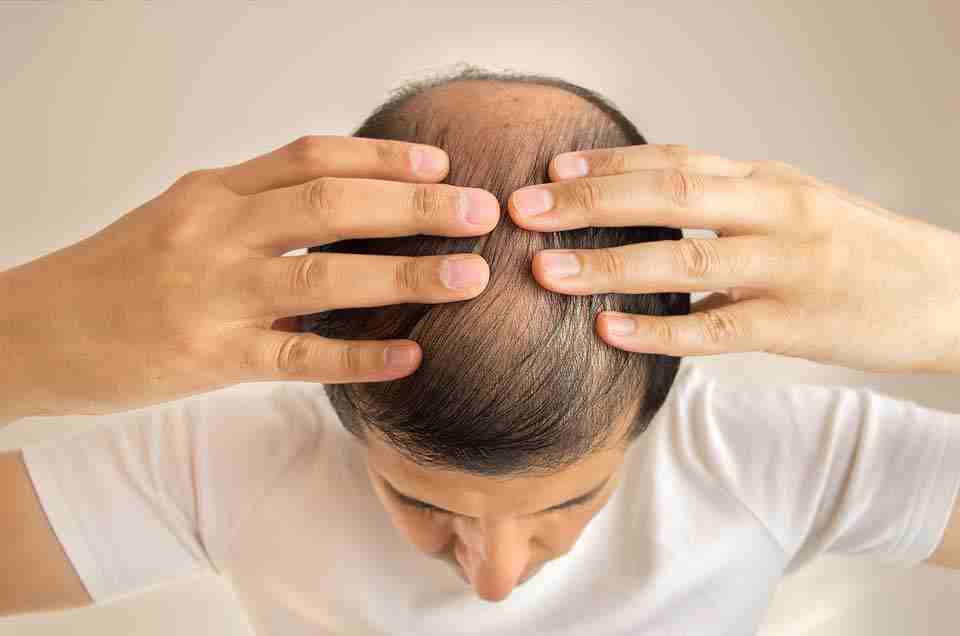
Dandruff, hair loss and early greying: treating all three
Read
Foods that help stop hair loss naturally
Read
Hair loss and early greying: 5 natural remedies
ReadTake the next step on your own case
Aksa physicians have been consulting on Ayurvedic care since 1992. Book a free video consultation and get a routine built around your digestion, sleep and history.