
Five early signs of diabetes, and the exact next step for each: the reason it happens, the test that settles it, and how soon to act. A triage card, not a diagnosis.
We have written the longer list of early signs elsewhere, and the prediabetes numbers in another piece. This article is deliberately shorter and more practical: five signs, and for each one the reason it happens, the test that settles it, and how soon to act. Think of it as a triage card. One sign means book the test; two signs means book it this week; and the last sign on the list means do not wait for the weekend.
How to use this list
None of these signs diagnoses diabetes on its own. Every one of them has other explanations - a hot month, a new medicine, a thyroid problem, a poor night's sleep. That is exactly why the next step for each is a test and not a tablet. The list is a way of deciding when to stop guessing, not a way of labelling yourself.
Sign one: thirst that returns, and urination at night
When sugar rises above the kidney's threshold, sugar spills into urine and pulls water with it. The result is passing more urine than usual, waking at night to pass it, and a thirst that a glass of water does not settle. In a adult who previously slept through the night, this combination is the most specific early sign on the list.
- Next step: fasting plasma glucose and HbA1c, booked within a week or two.
- Do not: cut water to reduce the urination. The thirst is the body correcting a loss, not the problem.
- Other explanations: a diuretic tablet, a urinary infection, prostate trouble in men, or simply more fluid in the evening. The tests separate them.
Sign two: tiredness that sleep does not fix
Sugar in the blood is fuel that cannot get into the cells without insulin doing its job. When that door is half closed, the cells run short even while the blood runs rich - so a person eats normally, sleeps normally, and still feels drained by mid-afternoon. The tiredness of high sugar is characteristically after meals and not relieved by rest.
- Next step: the same two tests, plus a mention of the tiredness to the doctor so thyroid and anaemia are considered alongside.
- Do not: start a tonic or a herb for energy before the sugar is known. It masks the signal without touching the cause.
Sign three: blurred vision that comes and goes
A high sugar level changes the water balance of the lens of the eye, and the lens swells slightly. Focus drifts: reading is fine in the morning and blurred by evening, or a new prescription seems needed and then seems wrong again. This early blur is usually reversible once sugar settles - which is why it is a sign to test, not a sign to buy new glasses.
- Next step: the sugar tests first; an eye examination if blur persists after sugar is controlled.
- Do not: order new spectacles during a fluctuating phase. The prescription will be wrong once the lens settles.
- Urgent exception: sudden loss of vision, a curtain over the field, or flashes and floaters is an eye emergency, not a diabetes sign. Go the same day.
Sign four: slow healing, itching, and infections that keep returning
Sugar-rich tissue fluid is a good culture medium, and high sugar also blunts the white cells' work. So small cuts take weeks, fungal itching in the skin folds or genital area keeps coming back, boils recur, and urinary infections repeat. Recurrent thrush in a woman, or a foreskin inflammation in a man, is a classic early pointer that gets treated locally for months without the sugar ever being checked.
- Next step: the sugar tests, and tell the doctor about the recurrence - one episode is common, a pattern is a signal.
- Do not: keep applying creams in cycles without testing. The cream treats the surface each time and the cause stays.
Sign five: hunger with weight loss
This is the sign that changes the pace. When insulin is severely lacking, cells cannot use sugar at all, so the body burns fat and muscle for fuel while the appetite climbs. Eating more and weighing less, with thirst and night urination alongside, points to a significant insulin shortage - the pattern of type 1 diabetes, or of type 2 that has run unchecked for a long time.
- Next step: see a doctor within days, not weeks. If there is also vomiting, abdominal pain, deep rapid breathing or drowsiness, go the same day - that combination can be diabetic ketoacidosis, which is an emergency.
- Do not: wait for a routine appointment, and do not start any diabetes medicine on your own. This pattern needs a prescriber, and sometimes insulin, without delay.
The two tests that settle it
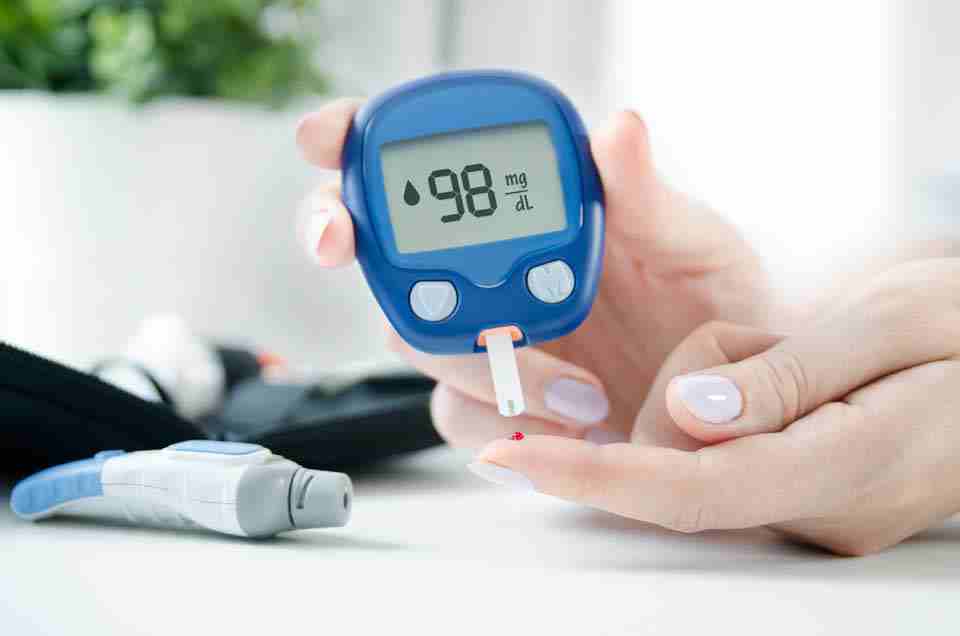
- Fasting plasma glucose: a laboratory sample after eight hours without food. A single home glucometer reading is a screening hint, not a diagnosis.
- HbA1c: the average sugar over roughly three months, no fasting needed. It catches the person whose fasting value looks fine but whose after-meal values are not.
- When the two disagree or sit borderline, an oral glucose tolerance test is the tiebreaker. Prediabetes is a real, reversible stage and is worth catching here - we cover its numbers separately.
One abnormal result is usually repeated before a diagnosis is made, unless symptoms are unmistakable. That repetition is not delay; it is what keeps a label off someone who does not need it.
Who should test even without any sign
Type 2 diabetes can run for years without a single symptom, which is why screening exists. Ask your doctor about testing even if you feel well when any of these apply:
- Age above thirty-five, or younger with weight around the middle.
- A parent or sibling with diabetes.
- Diabetes in a previous pregnancy, or a baby born heavy.
- PCOS, or blood pressure or cholesterol already on treatment.
Where risk is present, testing every one to three years is a common interval; your doctor sets it. A normal result today is not a lifetime exemption.
What a normal result means
A normal fasting glucose and HbA1c mean there is no diabetes now. They do not mean the routine can stay as it is. The same waist, the same sweet drinks and the same seated day will move the numbers over the next few years.
If the result lands in the prediabetes range, that is the reversible window - the stage where meal timing, the walk and weight around the middle change the outcome most. We cover those numbers in a separate piece; the point here is that a borderline result is a call to act, not a call to relax.
Where we fit in
At our two centres in Delhi, Model Town and Burari, this list is usually brought as a worry rather than a report: a person with two of the five signs and no test yet. The first thing we ask for is the fasting glucose and HbA1c, because without them there is nothing to interpret. Then the routine - meal timing, the walk, sleep, weight around the middle - is gone through, and a plan is set with the same tests repeated at the end of it.
Where a doctor has prescribed metformin, insulin or anything else, that continues; a herb is never a substitute for it. What we add is the daily-routine work and honest guidance on which stage is reversible and which needs the prescriber. A video consultation is free and needs no travel.
Every individual is different. Before changing any medicine, dose or routine, please consult the qualified doctor who prescribes your diabetes treatment. Nothing in this article replaces that relationship, and no sign on this list is a diagnosis.
Related reading





Take the next step on your own case
Aksa physicians have been consulting on Ayurvedic care since 1992. Book a free video consultation and get a routine built around your digestion, sleep and history.