
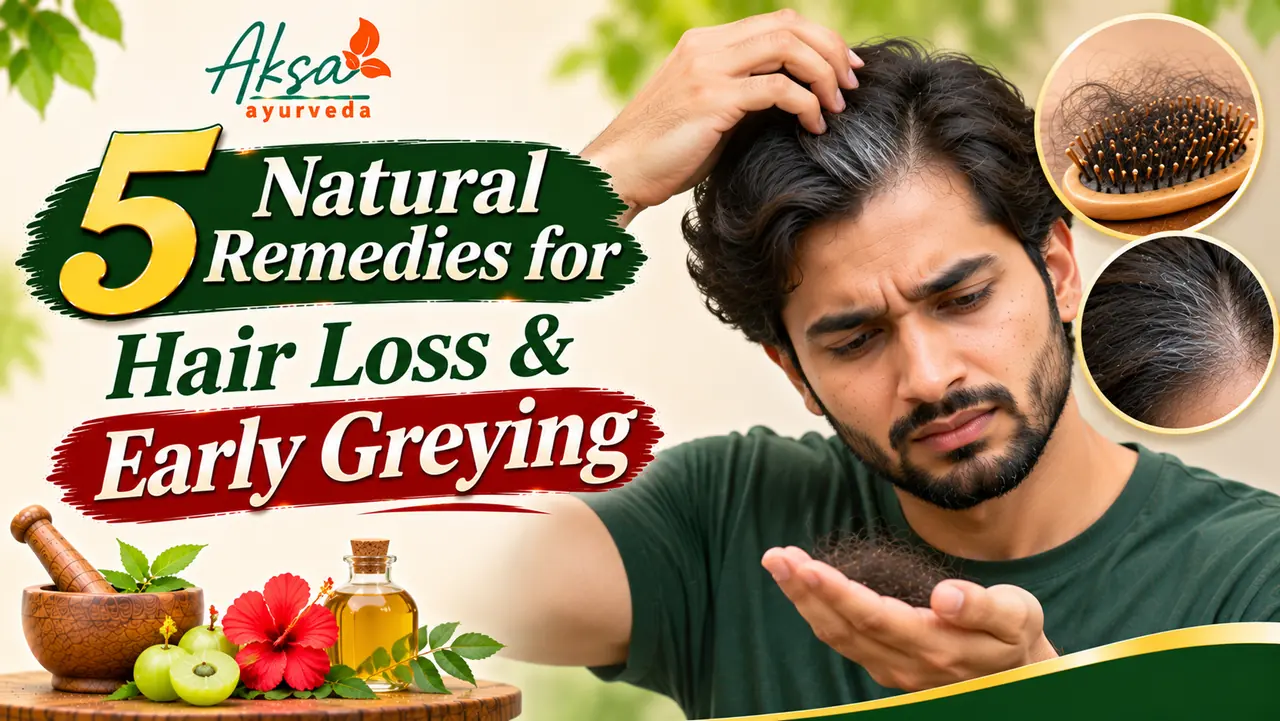
Hair fall has causes, and oil is not one of them. Five remedies worth trying, what each is for, and the pattern of loss no topical can reach.
Before any remedy, the honest triage. Hair that has thinned gradually at the temples and crown over years is androgenetic alopecia — a genetic, hormonal pattern, and no oil or juice reverses it. Shedding all over the scalp that began two to four months after an illness, delivery, crash diet or period of stress is telogen effluvium, and that grows back on its own once the trigger is removed, usually within six to nine months. Patchy, round bald areas suggest alopecia areata. An itchy, scaly, red scalp with broken hairs is a dermatitis or a fungal infection and needs that treated first. Which of these you have decides whether a home remedy is a support or a distraction.
1. Bhringraj — the classical scalp herb
- Traditionally the primary hair tonic in the Ayurvedic texts, used as an oil infusion massaged into the scalp, and internally as a leaf juice or prepared powder.
- What it plausibly does: the massage and the occlusion of the oil improve scalp condition and reduce breakage, and bhringraj has anti-inflammatory activity in laboratory work. Some small comparative studies of topical formulations have shown benefit; none of them prove regrowth of a male-pattern hairline.
- How to use: warm the oil to body temperature, apply to the scalp rather than the lengths, leave one to two hours, then wash with a mild shampoo. Two or three times a week. Anything left overnight on an oily, dandruff-prone scalp tends to make itching worse.
- Cautions: a patch test on the inner forearm for two days before the first full application. Do not use on a broken, weeping or infected scalp.
2. Amla — the one with a nutritional argument
- Amla is a genuinely dense source of vitamin C and polyphenols, and eating it is the most useful thing to do with it. Vitamin C aids iron absorption, and low iron is one of the commonest correctable contributors to shedding in Indian women.
- As an oil or hair wash it acts mainly as a conditioner — it makes hair less breakable, which many people correctly read as less falling.
- Internal use in food quantities is safe for most people. Concentrated powders taken daily through pregnancy, or alongside blood thinners or diabetes medicines, should be discussed with the doctor who manages those.
- Early greying has many causes and is largely genetic. Nutritional deficiency — vitamin B12, iron, thyroid disease, smoking, and a genuinely rare set of syndromes — can accelerate it in some people. Correcting a documented deficiency may slow it. Nothing reliably repigments hair that has already gone white, and any product claiming to do so should be read very sceptically.
3. Onion juice — the claim, and the honest version
- There is one small old study of crude onion juice applied twice daily in patchy alopecia areata that reported regrowth in a minority of participants. That is where the reputation comes from, and it is a long way from everyday thinning.
- It smells, and it irritates. If tried: fresh juice, a small area at a time, twenty to thirty minutes before washing, stopped at the first sign of burning or redness. Never on an inflamed or cracked scalp, and never under a cap overnight.
- Scepticism is warranted where a hairless patch appeared within weeks. Alopecia areata also remits by itself, which is how many remedies acquire a reputation.
4. Curry leaves and coconut oil — the best-conditioning item on the list
- Simmering a handful of curry leaves in coconut oil until they blacken, straining and storing, is the household version. As a conditioner it is excellent and it costs almost nothing.
- Coconut oil penetrates the hair shaft better than mineral oil, which is why the hair feels less straw-like after weeks of use. Applying it to the lengths reduces combing breakage — that is the whole mechanism, and it is a real one.
- It does not reach the follicle in any concentration that changes hormone signalling. Use it knowing exactly what you are buying.
5. Scalp massage, and the internal correction that matters more
- Four minutes of moderate-pressure fingertip massage daily, dry or with oil, has small studies behind it reporting increased hair thickness over months. The mechanism proposed is mechanical signalling to the follicle, and it is at least plausible. It is free, it has no side effects, and it is the only topical measure with anything like repeatable data.
- Fingertips, not nails. No vigorous scrubbing.
- Internally, this is what actually moves shedding: adequate protein at every meal rather than cereal-only eating; iron studies — haemoglobin and ferritin — in any woman with heavy periods or long-standing fatigue; vitamin B12 and vitamin D where diet is largely vegetarian; thyroid function; and stopping the crash diet. Hair is a non-essential tissue, so the body sheds it first when nutrition or calories run short, and restores it last.
- Vegetarians, postpartum women and anyone who has lost weight quickly are the three groups where the internal picture explains most of the complaint.
What none of these will do
- Regrow a receding temporal hairline in androgenetic alopecia. That pattern has treatments — topical minoxidil being the standard one, with a dermatologist deciding on the rest — and delay costs density permanently. If that is your pattern, the honest advice is to be assessed rather than to experiment for a year.
- Reverse greying that has already occurred.
- Clear a fungal infection, which needs oral and topical antifungal treatment prescribed, not oil.
- Compensate for a thyroid disorder, iron deficiency anemia, or hair loss caused by a medicine.
See a doctor promptly if
- Hair came out in round patches, or there is sudden thinning of the eyebrows or lashes.
- The scalp is red, scaly, pustular, painful or has black dots and broken hairs — infection needs diagnosis and prescription treatment, and in children can cause permanent loss.
- Loss follows chemotherapy, a new medicine, or comes with fatigue, weight change, palpitations or a missed period.
- There is scarring, shininess or loss of follicle openings in an area — scarring alopecias destroy the follicle permanently and are an urgent dermatology referral, not a home-remedy case.
- Shedding has continued beyond six months without an identified cause.
How we approach it at Aksa
At our two centres, a hair complaint starts with the pattern and the history — how long, where, what happened four months earlier, diet, menstrual blood loss, family history, medicines — and with basic blood work where the history points to a deficiency, thyroid or hormonal cause. On top of that we prescribe the classical scalp preparations and internal herbal support appropriate to the individual, together with a realistic statement of what will and will not change. Cases with scarring, fungal infection or advanced pattern loss go to a dermatologist. If you would like the cause identified before buying another bottle, bring your reports to either centre.
Related reading
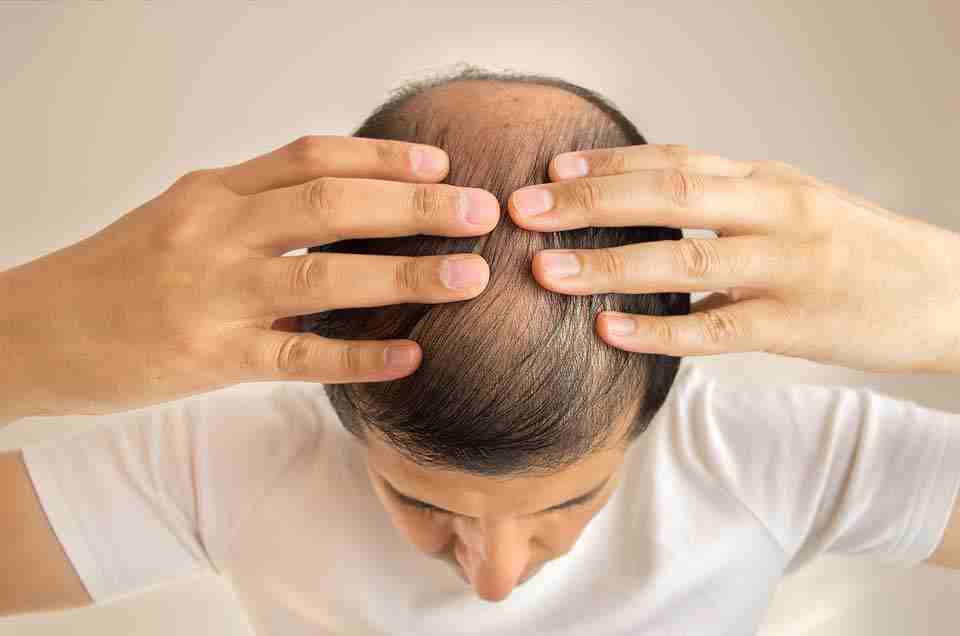
Dandruff, hair loss and early greying: treating all three
Read
5 natural ways to control hair loss and greying
Read
3 Ayurvedic remedies to control hair loss
Read
7 home remedies to reduce hair loss and grow hair back
Read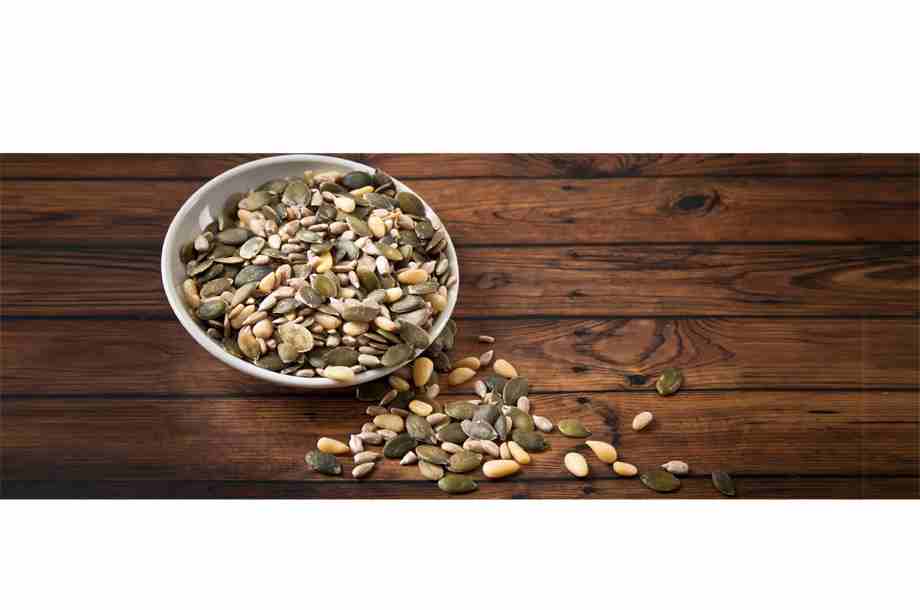
Foods that help stop hair loss naturally
Read
Hair loss in teenage boys: what actually helps
ReadTake the next step on your own case
Aksa physicians have been consulting on Ayurvedic care since 1992. Book a free video consultation and get a routine built around your digestion, sleep and history.