
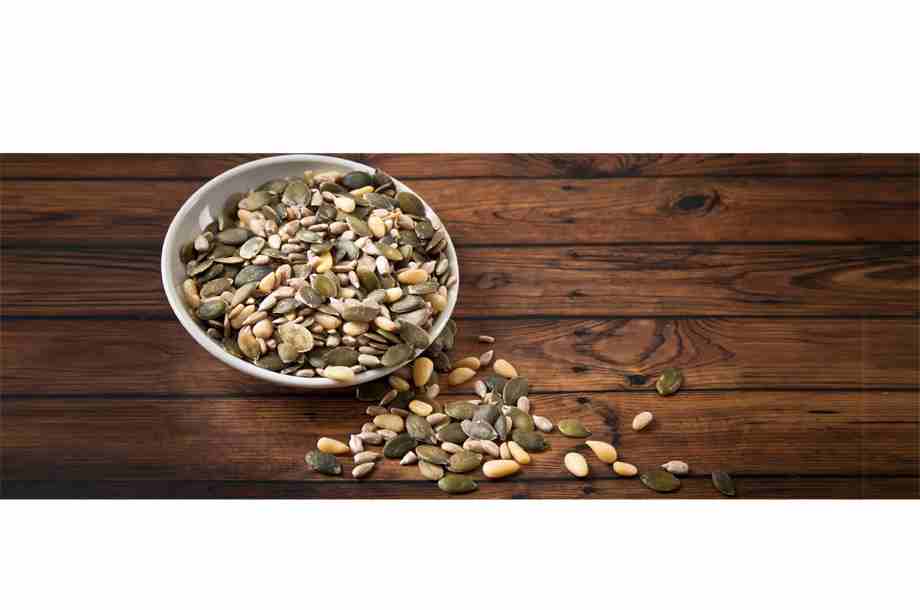
Foods that help stop hair loss naturally work where shedding is nutritional - protein, iron, zinc and a few vitamins - and do nothing for a genetic bald patch.
Hair is the first tissue the body defunds when resources run short. It is not essential to survival, so when protein, iron or calories fall, the follicle is pushed out of its growing phase and into shedding a few months later. That delay is why people rarely connect the crash diet of March with the handful of hair in July. This piece is about feeding the follicle properly, and about being honest regarding which kinds of hair loss food can and cannot touch. The oils and external remedies are covered in our other hair pieces; here we stay at the plate.
Protein: the raw material, not the supplement
Hair is almost entirely keratin, a protein. A diet that skimps on protein produces thin, slow-growing hair and increased shedding, and it is the most common nutritional cause we see in young women eating small, skipped meals.
- Aim for a protein source at every main meal: dal, rajma, chana, curd, paneer, egg, fish or chicken.
- Vegetarians need the combination across the day - dal with rice, curd with meals, nuts and seeds - because plant proteins are incomplete singly.
- One scoop of protein powder is not a substitute for meals; it is a supplement to them, and unnecessary for most people who eat properly.
Iron: the deficiency that sheds hair quietly
Low iron stores are a well-recognised cause of diffuse shedding, especially in women with heavy periods. The blood count can look normal while the storage form, ferritin, is low - so a normal haemoglobin does not rule it out.
- Sources: green leafy vegetables, dal and beans, jaggery in modest amounts, sesame seeds, and for non-vegetarians red meat and liver.
- Pair plant iron with vitamin C - lemon on dal, amla, citrus - to multiply absorption; keep tea and coffee an hour away from meals, because they block it.
- Do not start iron tablets on a guess. Iron overload is harmful; the test comes first.
Zinc, biotin and the rest of the small list
- Zinc: pumpkin seeds, sesame, chana, curd, eggs and meat. Deficiency shows as shedding plus slow wound healing and a poor appetite.
- Biotin: eggs, nuts, seeds and whole grains. True deficiency is rare; the marketed biotin gummies help only the deficient, not the general shedder.
- Vitamin D and B12: common deficiencies in Indian adults, both linked to shedding. Sunlight, fortified food, eggs and dairy; B12 needs animal food or a supplement for strict vegetarians.
- Omega-3: walnuts, flaxseed, chia, and fatty fish for non-vegetarians. Supports the scalp's oil balance and the inflammatory side of shedding.
The crash-diet trap
Rapid weight loss - very low calories, skipped meals, single-food diets - triggers a predictable shed two to three months later, called telogen effluvium. It is reversible once eating normalises, but the hair takes months to catch up because the follicle cycle is slow.
- Lose weight slowly, with protein kept up, rather than fast and hollow.
- If shedding began two to three months after a diet, an illness, a surgery or a childbirth, that timing is the diagnosis more often than any shampoo.
- Reassurance matters here: this kind of shed regrows once the cause is corrected, and no oil accelerates the cycle.
A day of eating that feeds the follicle
- Breakfast: two eggs or a bowl of curd with nuts and seeds, plus a whole-grain roti or oats; a fruit with vitamin C alongside.
- Lunch: dal or rajma, a green vegetable with lemon, curd, and a modest portion of rice or roti; salad on the side.
- Evening: a handful of pumpkin and sesame seeds, or roasted chana; amla or citrus when in season.
- Dinner: paneer, fish or chicken with vegetables, or a thick dal khichdi; keep it light but do not skip the protein.
- Through the day: water; tea and coffee away from meals, not with them.
What food will not fix
- Androgenetic loss - the receding hairline in men and the widening parting in women - is hormonal and genetic. Food supports the hair that remains; it does not regrow a bald patch, and no diet reverses it.
- Patchy loss (alopecia areata), scarring loss, and loss with scalp redness or scaling need a dermatologist, not a meal plan.
- Shedding with fatigue, weight change, cold intolerance or irregular periods points to thyroid or iron; test rather than guess.
- Sudden loss with fever, a new medicine, or after a severe illness is a medical review, not a kitchen question.
The tests worth asking for before any supplement
- Ferritin with a full blood count: iron stores can be low while haemoglobin looks normal, and ferritin is the number that matters for shedding.
- Thyroid (TSH): both an underactive and an overactive thyroid shed hair, and the fix is the thyroid treatment, not a hair vitamin.
- Vitamin D and B12: common deficiencies in Indian adults, both linked to diffuse shedding; B12 especially in strict vegetarians.
- Zinc where the diet is poor or there is gut disease; not as a routine blind supplement.
Testing first matters because iron and zinc overload are harmful, and because a normal result redirects the question to the pattern - genetic, patchy or scarring - rather than to another bottle.
Scalp and routine basics that support the diet
- Wash regularly with a gentle shampoo; a clean scalp is not a cause of hair loss, and sebum and scale buildup make shedding look worse.
- Treat dandruff and seborrhoeic dermatitis if present; an inflamed, itchy scalp adds its own shedding on top of any nutritional cause.
- Avoid tight ponytails, buns and extensions that pull at the roots, and limit hot styling; traction loss is mechanical and preventable.
- Sleep and stress: a severe stressor pushes follicles into shedding months later, exactly like a crash diet. The timeline is the clue.
Myths the plate cannot beat
- Onion juice, oil massage and herbal packs may improve the scalp's condition and the hair's feel; they do not regrow a genetic bald patch, and no external application feeds the follicle from outside.
- Biotin gummies help only the truly deficient, which is rare; for everyone else they are expensive urine.
- Shaving or trimming does not thicken hair; it only blunts the tip.
- A supplement marketed as a hair cure with before-and-after photographs is selling a timeline that the follicle cycle cannot keep: regrowth after a corrected deficiency takes three to six months, not three weeks.
Where we fit in
At our two centres in Delhi, Model Town and Burari, the hair sitting starts with the pattern and the timeline - diffuse or patchy, when it began, what changed three months before - and with the diet history. Where a deficiency is suspected we ask for the specific tests (ferritin, thyroid, vitamin D, B12) rather than prescribing a supplement blind, and the food plan is written around what the person actually eats.
Aksa physicians have been consulting on this since 1992, and a video consultation is free and needs no travel. What we do not do is promise regrowth on a bald patch from a diet, or sell a supplement as a cure for genetic loss.
Every individual is different. Before starting any supplement or changing any medicine, please consult a qualified doctor, especially in pregnancy, with heavy periods, or where another treatment is already running.
Related reading
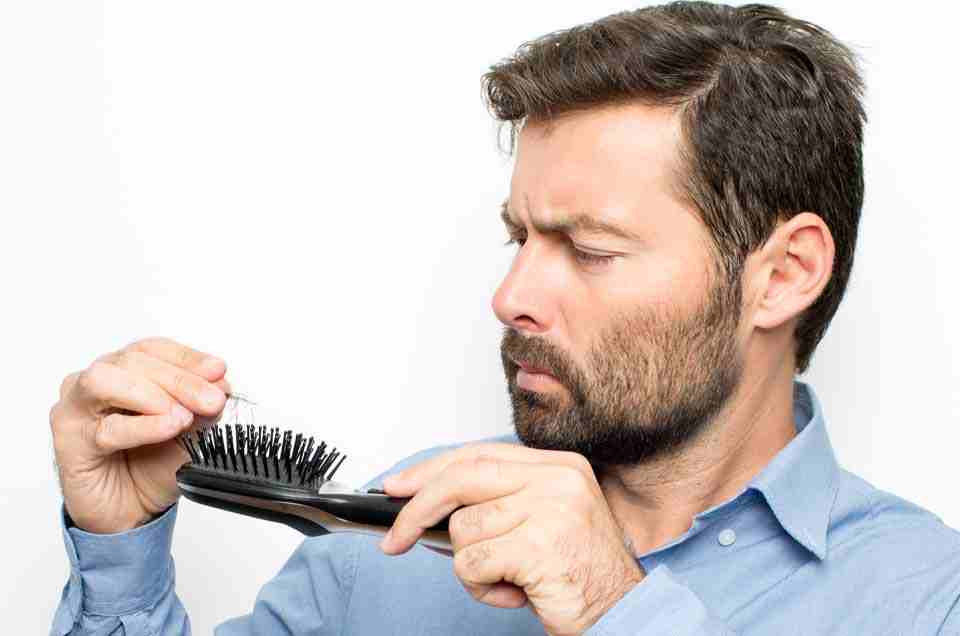
Want to stop hair loss? Find the reason first
Read
3 Ayurvedic remedies to control hair loss
Read
5 natural ways to control hair loss and greying
Read
7 home remedies to reduce hair loss and grow hair back
Read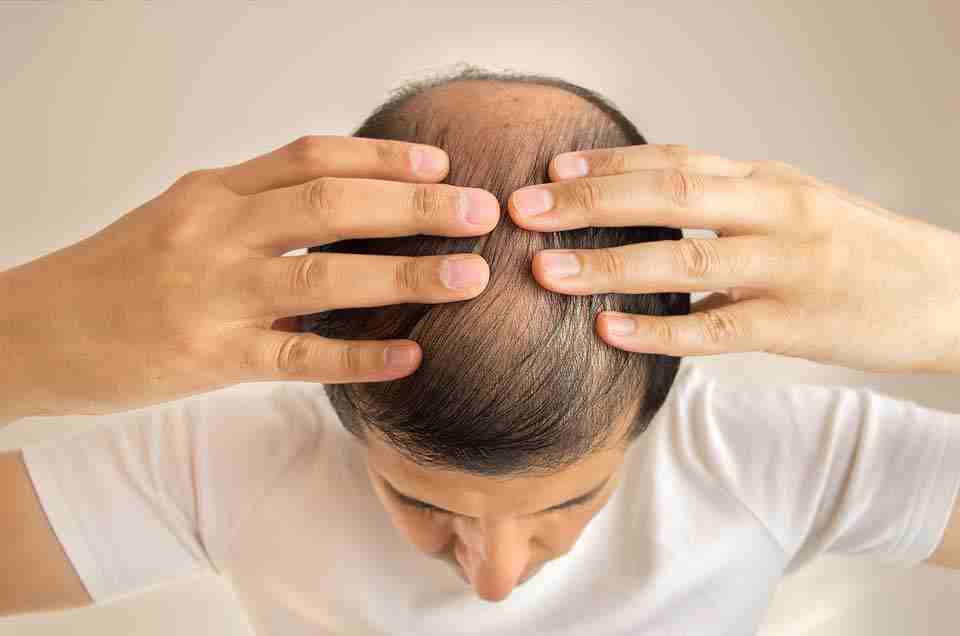
Dandruff, hair loss and early greying: treating all three
Read
Hair loss and early greying: 5 natural remedies
ReadTake the next step on your own case
Aksa physicians have been consulting on Ayurvedic care since 1992. Book a free video consultation and get a routine built around your digestion, sleep and history.