
Type 1 and Type 2 diabetes: how Ayurveda fits alongside your treatment
Type 1 and Type 2 need different answers. What the routine can genuinely move, what herbs actually add, and the one thing nothing here should touch: your insulin.
The honest line before anything else. No herb, capsule, powder or ritual reverses Type 1 diabetes or replaces the insulin or tablets your diabetologist has prescribed. What we do with diabetic patients at our two centres is work on the ground those medicines stand on — weight around the waist, appetite, meal order, sleep, alcohol, walking and the small daily decisions that move readings around. A person who fixes that ground usually needs less help from the same plan over months, and that, not a cure, is what this page is about.
Type 1 and Type 2 are not the same illness
- Type 1: the insulin-making cells of the pancreas have been destroyed, so the body makes essentially none. It is not caused by diet or by anything the patient did wrong, and insulin is not optional in it. Skipping insulin in Type 1 can kill within days. Ayurveda's role here is entirely supportive: food structure, activity, sleep, foot and skin care, and carrying the mental weight of a lifelong disease.
- Type 2: the body still makes insulin but responds to it poorly, usually after years of weight gain around the abdomen, inactivity, sleep debt, family history and a heavily refined diet. This is the lane where routine genuinely moves the numbers, and where herbs can sit as helpers beside metformin or whatever your doctor chose — never instead of it.
- Gestational diabetes: a third lane entirely. Diet, activity and monitoring run with your obstetrician and usually settle after delivery; it is not treated here as a chronic disease, and sugars still need following up after the baby is born.
- Prediabetes is not a mild version of diabetes; it is the window where the same list below works best, and where most people do nothing because they feel fine.
What we actually change in a day
Food — order and portion before prohibition
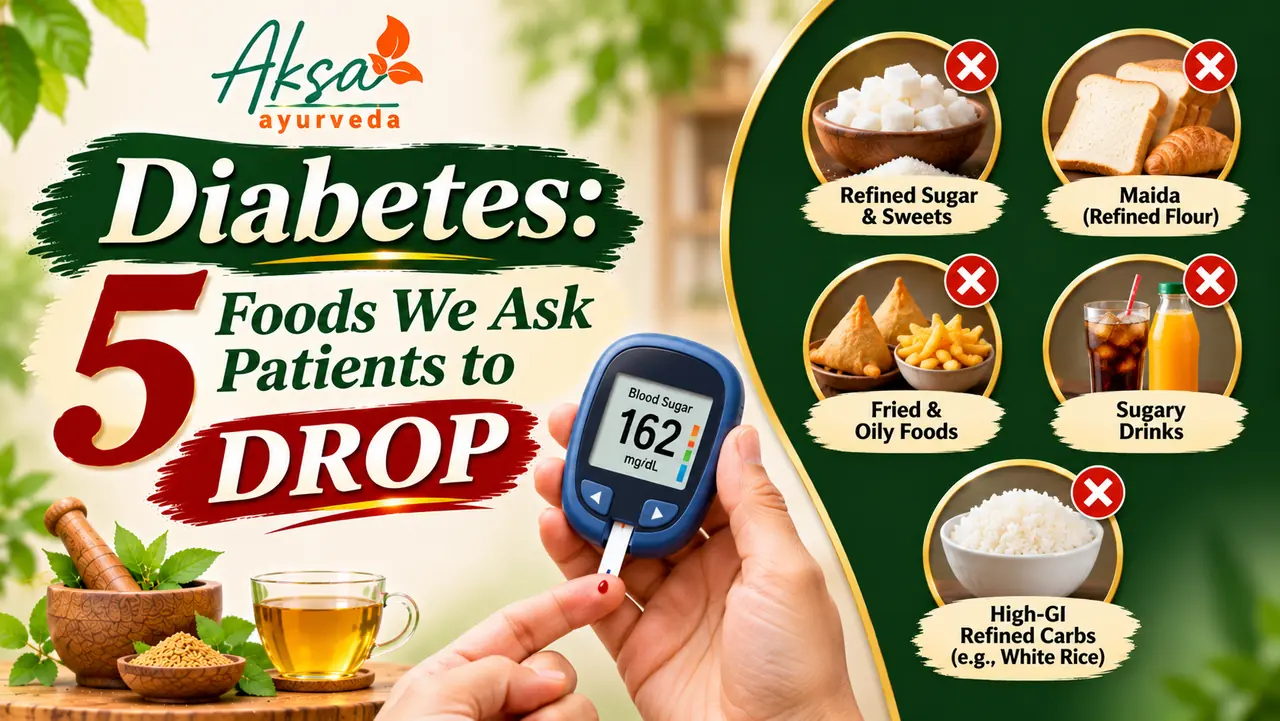
- Eat in this order at each main meal: salad and vegetables first, then protein — dal, paneer, egg, fish, chicken — then the roti or rice. Same plate, same total, and the rise after the meal is slower and lower.
- Grain is the part that needs a hand, not a ban: roughly a fist of rice or one or two rotis per meal, and the rest of the plate filled with sabzi and protein. Three rotis and a full bowl of rice is a sugar infusion with sides, even when it is home-cooked and ghee-free.
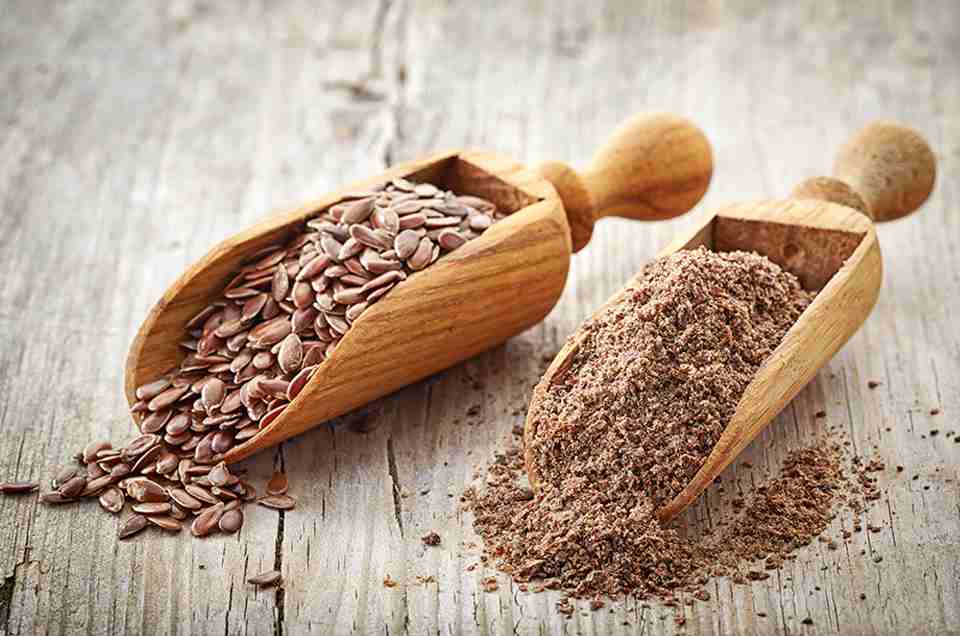
- A sweet breakfast loads the whole day: paratha with jam, sugared tea, biscuits, packaged 'diabetic' foods. Move to something savoury and protein-bearing — egg, besan chilla, sprouts, dahi with seeds.
- Fruit whole, never as juice. One portion at a time, with a handful of nuts or some dahi. Guava, apple, papaya, orange and berries sit better with most people than mango, chikoo or grapes.
- The three that show up on the report most reliably: sweetened drinks, alcohol, and late-night eating followed by a long fast until a heavy breakfast.
Movement, which works without asking the pancreas for anything
- A fifteen to twenty minute walk after the two largest meals. Working muscle pulls glucose out of the blood through a route that does not depend on insulin. It is the cheapest tool in this entire article.
- Strength work twice a week — chair rises, wall push-ups, a resistance belt, light weights. It improves how the body responds to insulin over weeks, even when the weighing scale has not moved.
- Break long sitting. Stand and move for two minutes every hour; a day of eight hours of sitting undoes an evening walk.
- No brisk exercise on an empty stomach if you are on insulin or sulfonylureas, and always carry something sweet.
Sleep and stress, the two that get laughed at
- A week of under six hours of sleep raises fasting sugar in many people independent of what they eat. Sleep apnoea — loud snoring, daytime sleepiness, morning headache — is common in Type 2 and is worth testing for, not medicating around.
- Stress raises sugar through hormones, not through food. Ten minutes of slow nasal breathing with the belly dropping, at a fixed time each day, is a real intervention and not a substitute for one.
What to measure
- Waist at the navel once a month, weight weekly, and the fasting, post-meal and HbA1c numbers at the interval your doctor sets. Waist coming down while weight sits still is a genuine win.
- Bring the same report to every review. Numbers moving in one person's body over time are worth more than any single reading.
Where the herbs sit, and the rules we work by
- Methi (fenugreek), turjamra- Karela-type preparations, gudmar, amla and turmeric combinations are used in this field as adjuncts. The honest expectation is a modest improvement in readings alongside a fixed routine — not a replacement dose of anything.
- Rule one: prescribed tablets and insulin are not stopped, reduced or spaced out without the prescribing doctor. If sugars improve, that doctor adjusts the medicine, and adjusting is the expected outcome, not a crisis.
- Rule two: tell your diabetologist everything that is being added, including powders and tonics. Two sugars-lowering agents running together can push you low, and the combination of insulin or sulfonylurea with an unlisted product is where hypoglycaemia happens.
- Rule three: no unlabelled capsules, no 'sugar cure in thirty days' products and nothing bought online without a listed composition. Analyses of such products have repeatedly found them spiked with undeclared prescription drugs, which is how people end up with severe lows and unexplained liver injury.
- Rule four: any long-running herbal plan needs liver and kidney function checked, especially if diabetes has already touched the kidneys. Herbs are not neutral in kidney disease.
Feet, eyes and nerves — the part people skip
- Look at both feet every night: cuts, blisters, colour change, a hot spot, a torn nail. Loss of sensation means injuries arrive without warning.
- Moisturise the top and sole but not between the toes; never walk barefoot, not even at home; cut nails straight; new shoes worn for an hour at a time first.
- An eye check once a year, and a dental check, because gums and sugars feed each other.
- Tingling, burning at night, or a foot that has gone numb is reported to the doctor rather than rubbed with oil.
Go to emergency care the same hour, not the same week
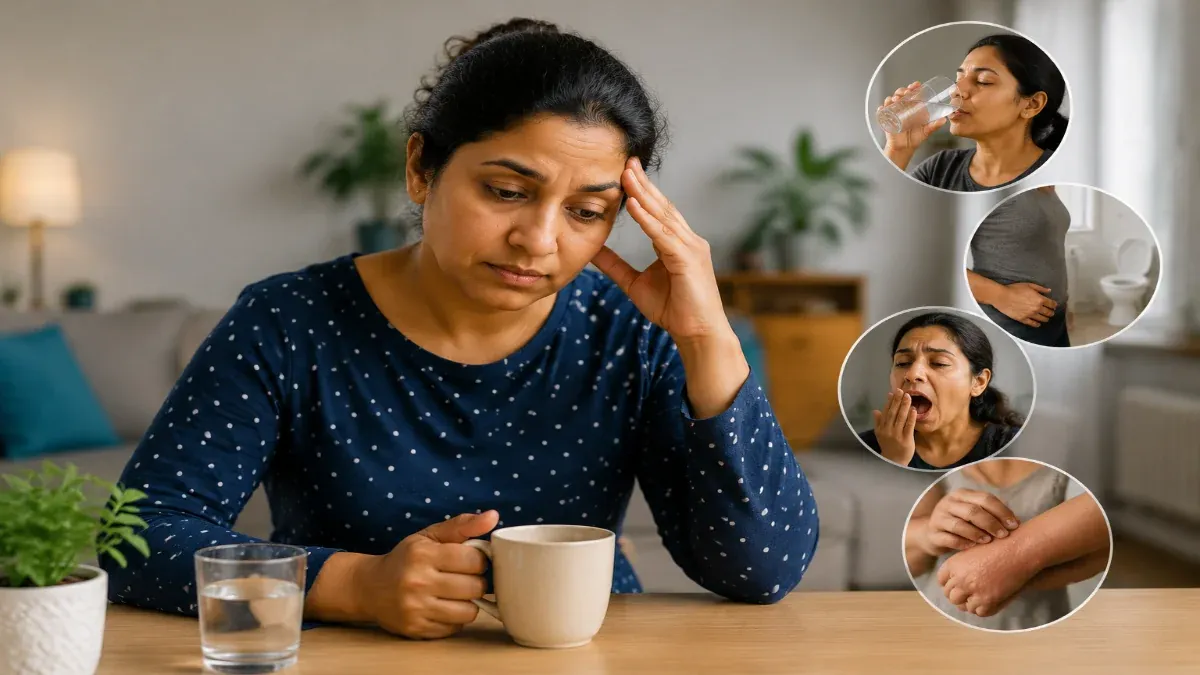
- Vomiting that will not stop, deep fast breathing, drowsiness, confusion or fruity-smelling breath — this is ketoacidosis and it is a Type 1 emergency that also happens in Type 2.
- A reading under 70 with sweating, trembling, confusion or fainting: give sugar immediately, recheck, and get care if it keeps happening or if insulin was missed. Never leave a low person alone or make them walk it off.
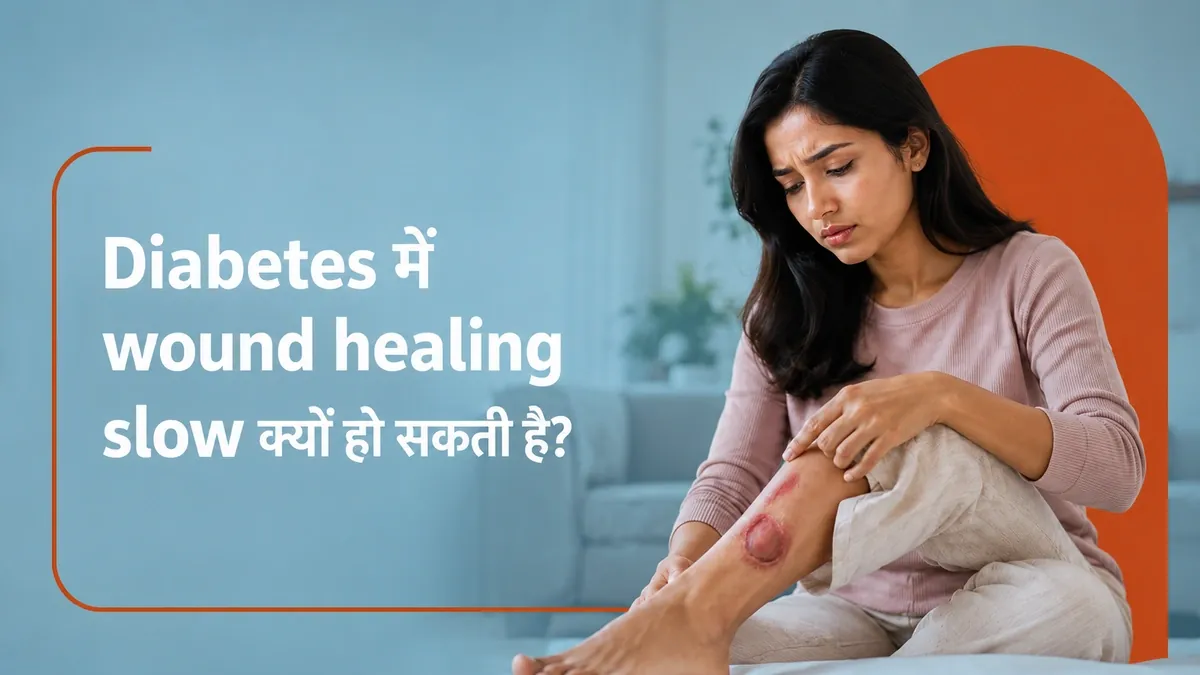
- A black toe, a wound that will not heal, a swollen warm foot with fever, or any fever with a foul smell from a foot wound.
- Sudden loss or blurring of vision, chest pain, breathlessness at rest, or weakness on one side of the body.
- Type 1 with any illness or fever: insulin is never skipped, even on a day of not eating. Call the doctor and ask how to run the sick day instead.
What a first visit looks like here
- You bring your current prescriptions and your last few reports. We take the day as it actually runs — timings, sleep, alcohol, walking, appetite, and what the plate looks like on a normal weekday, not on a good day.
- We write a routine plan with the medicine plan left exactly as your doctor set it, and we ask you to keep your diabetologist in the loop on everything added.
- Two centres, Model Town and Burari, and the first consultation is free. We will not promise reversal, and in Type 1 we will not claim more than support.
'Can I come off my medicines?'
- Sometimes, in Type 2, when the disease is recent, weight has come down meaningfully, and walking, sleep and food have genuinely changed — people do come off tablets. The correct word for that is remission, not cure, it is decided with the prescribing doctor, and follow-up continues because relapse is quiet.
- In Type 1, no. Not partially, not in winter, not with a good report. Insulin is the treatment.
- Nobody should experiment with this alone, on the strength of a video or a neighbour's result.
Related reading
Take the next step on your own case
Aksa physicians have been consulting on Ayurvedic care since 1992. Book a free video consultation and get a routine built around your digestion, sleep and history.