

Sugar numbers move on ordinary days, not on the day of the test. This is the list we give at the end of a first visit, and it is deliberately unremarkable.
The do list
- Eat in the same order every meal: vegetables and salad first, then protein and dal, then the rice or roti. Same plate, same total, and the post-meal rise is visibly flatter for most people.
- Keep meal times steady. A long gap, then a large meal, is harder on sugar than the same food spread across the day. If mornings are impossible, an early snack beats a noon collapse.
- Walk for ten minutes after the two biggest meals. This is the closest thing to a medicine that has no dose dispute in diabetes; it works on the meal you have just eaten.
- Do some resistance work twice a week - chair rises, wall push-ups, bands, or weights. Muscle is where glucose gets stored, and it is the one tissue that keeps improving at any age.
- Sleep as much as you can protect. Short sleep raises insulin resistance within days and makes the appetite worse the next evening; it is a real part of the plan, not a reward for good control.
- Drink water through the day. High sugar makes you urinate more, and the thirst cycle quietly concentrates the blood further.
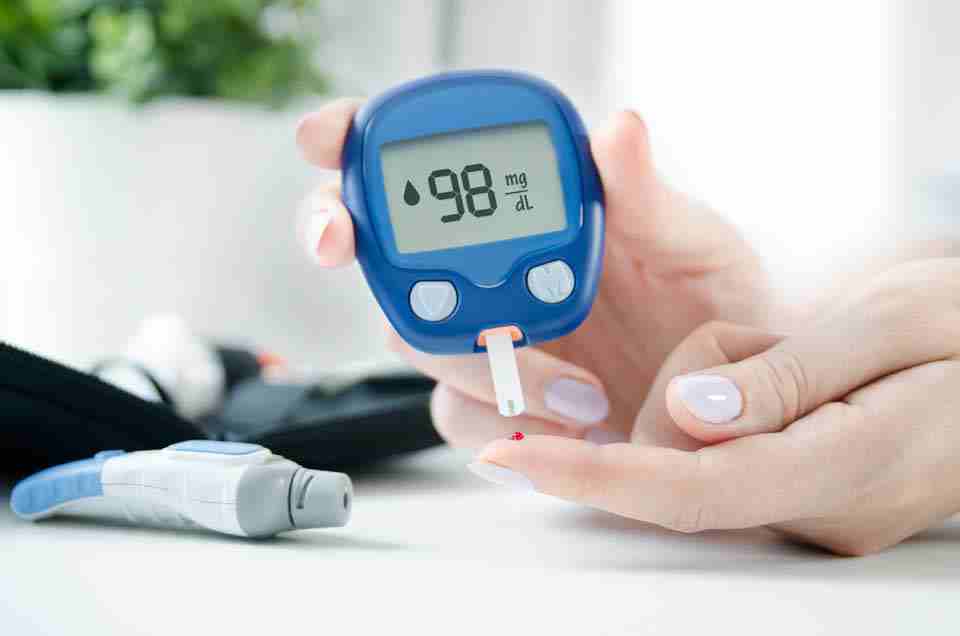
- Check at the times your doctor set, and write the numbers down with what you ate. A log with context changes treatment; a log of bare numbers gets sympathised with and forgotten.
- Carry fast sugar - glucose tablets or sugar in a small packet - and know how to use it. If you are on insulin or a sulfonylurea, this is not optional.
- Look after feet, teeth and gums daily and yearly. Ninety seconds on the feet each evening, a dental check every six months to a year, an eye examination once a year even when the vision is fine, and a kidney test with urine albumin at the interval you were given.
- Get vaccinated for flu and pneumococcal disease as advised, and treat infections early. An infection pushes sugar up, and high sugar makes the infection harder to clear.
- Bring every other medicine and supplement to the review, including ayurvedic preparations, since several affect sugar and a few affect the kidney or the liver.
- Have a sick-day plan in writing. Fever, vomiting or diarrhoea changes the arithmetic: more checking, more fluid, never simply skipping the insulin because you are not eating. Ask your doctor what to do before you need it.
The dont list
- Do not stop insulin, metformin or any prescribed tablet because the numbers have become normal. They are normal because of the medicine. Stopping a type 1 insulin plan is dangerous within hours, not months.
- Do not replace prescribed treatment with a bitter juice, methi seed water, karila, a turmeric dose or an internet product. Some of these are harmless as food; none of them is a substitute, and a few damage the kidney in concentrated forms.
- Do not skip meals to lower sugar and then eat a large unscheduled meal. This swing is worse than the steady higher number it was meant to fix.
- Do not drink calories - sweetened tea and coffee, packaged juice, energy drinks, soda, and the syrup-based health tonics. This is the single easiest change for most people.
- Do not treat fruit as forbidden or as free. A whole fruit at a fixed time is fine; three glasses of juice are not.
- Do not use alcohol to unwind and then sleep through the next morning. Alcohol blocks the liver's glucose release and can cause a late, silent low, especially with insulin or sulfonylureas.
- Do not smoke, and do not let a family member smoke in the house. Smoking multiplies the eye, kidney, nerve and heart risk that diabetes already carries.
- Do not chase one number. A single reading after a heavy meal tells you almost nothing; the pattern across two weeks and the HbA1c at three to six months tell you everything.
- Do not test so often that you stop acting, or so rarely that a slow drift goes unnoticed. The right frequency depends on your treatment, and your doctor sets it.
- Do not ignore a low because it passed. A low that you had to treat is a signal that the plan needs adjusting, and it should be reported at the next visit rather than hidden.
Where Ayurveda sits in this
Our contribution is the daily layer: the meal timing and composition that a busy household can actually keep, the walking and breathing routine that fits around shifts, the sleep and stress work that lowers the numbers nobody measures, weight that comes off slowly instead of dramatically, and the honesty about what we do not do. We do not change your insulin. We do not promise an HbA1c result. We do not run a programme where the medicine is quietly reduced to see whether the diet works - if a reduction is possible, it is done by the doctor who prescribed it, in writing, with more checking.
Why the number is worth the trouble
Nobody enjoys checking sugar. It is worth doing because the damage diabetes causes is silent and slow, and it is the same damage in every organ: the small vessels of the retina, the filtering units of the kidney, the longest nerves of the feet, the vessels that feed the heart and the legs. None of them hurt while they are being affected, which is why people feel fine for a decade and then find out all at once. The years of ordinary checking and ordinary walking buy nothing visible and everything that matters - keeping your eyesight, your kidney function and your ability to feel your feet.
That is also why a bad week does not undo a good year, and why one perfect report does not license a free month. Control is measured across months, and so is the damage.
The weeks that go wrong, and the fix for each
- Travel days: pack the medicine in hand luggage, not the checked bag, keep the fast sugar in the same pocket every time, and set the phone alarm for the injection or tablet rather than relying on the destination clock. Long flights mean long sitting - get up and walk once an hour.
- Festival and wedding weeks: the food is not the only problem, it is the food plus no walk plus late sleep plus skipped tablets. Choose the two meals that matter, keep the post-meal walk on those days, and keep the medicine schedule exactly as it is. Coming back to a normal number in one week is easy; coming back after a month of drift is not.
- Illness: test more often, drink to keep the urine pale, never stop insulin, and call for advice if readings stay very high, if there is vomiting, or if breathing becomes fast and deep. That last pattern is an emergency, not a home remedy situation.
- Gym and heavy exercise: if you are on insulin or a sulfonylurea, check before and after, keep sugar nearby, and expect a lower reading overnight. New strength work is good news for your numbers and needs a small adjustment, not fear.
- Stress and poor sleep weeks: expect higher readings and do not respond by cutting food or doubling supplements. Fix the sleep first, and tell your doctor if the pattern persists after the stressful period ends.
Type 1 diabetes is a different conversation entirely: insulin is not optional there, and any plan that suggests otherwise should be walked away from. In type 2, especially early and with a strong family history, real remission is possible for some people through weight, activity and food changes - and some people need medicine from the first month and always will. Both outcomes are fine. Both are better than an unexamined year.
At our two centres, a diabetes review starts with the log, the feet, the plate and the medicine list, and ends with three changes to make before the next visit - not thirty.
Every individual is different. Before changing any medicine, dose or routine, please consult the qualified doctor who prescribes your diabetes treatment. Nothing in this article replaces that relationship.
Related reading





Take the next step on your own case
Aksa physicians have been consulting on Ayurvedic care since 1992. Book a free video consultation and get a routine built around your digestion, sleep and history.