

Diabetes has a famous set of symptoms, and almost nobody is still having only those at the point where acting on them would be cheap.
By the time the textbook picture appears - unbearable thirst, toilet trips all night, dramatic weight loss - the sugar has usually been high for a long time. What comes before it is a list of small, believable inconveniences, each with a harmless explanation attached.
This article walks through that earlier list, one sign at a time, with what the body is actually doing underneath each one. Our companion piece on the single most-ignored symptom goes deeper on the tiredness side; here the point is breadth.
The signs worth taking seriously
Afternoon crashes after meals
Heavy sleepiness after a carbohydrate-heavy lunch, most days, for months. The body is working harder than it used to move the same sugar out of the blood, and the swing up and down reads as exhaustion rather than as anything to do with food.
A mouth that is dry on waking
Not dry from a fan or from mouth-breathing, but dry with a real need to drink, first thing, every day. Overnight, raised sugar makes the kidneys pass more water, and the morning thirst is the residue of that.
Toilet trips that started without a reason
Getting up once at night is unremarkable. Getting up twice or three times, in somebody who is not drinking late and not on a water tablet, is the body spending its overnight water bill.
Infections that keep coming back
- Boils, styes, fungal infections at the groin or between the toes, ringworm that spreads every monsoon and never quite clears.
- Urinary infections in women that return within weeks of being treated.
- Gum swelling, bleeding gums, a tooth problem that keeps needing the same dentist.
- Itching around the private parts, or thrush in a woman who does not usually get it.
Sugar high enough to spill into the urine feeds exactly the organisms that cause these, and immunity in this setting works less well. Recurrence is the tell, not the single episode.
Wounds that take their time
A cut on the foot from a stone in a slipper that takes three weeks instead of one. A burn from the kitchen that leaves a mark. This is early circulation and nerve change doing its work quietly, and it is the sign that most often turns out to matter.
Tingling, burning or numb feet
Pins and needles on waking, a burning sole at night, or the odd sensation of standing on a cushion. Nerves that feed from small vessels are sensitive to sustained high sugar, and the feet are the longest and therefore the first to show it.
Blurred vision that comes and goes
Not a steady need for new glasses, but vision that is clear one week and soft the next. Raised sugar changes the water content of the lens, and the focus shifts with it. This is one of the few diabetes symptoms that reverses with treatment.
Dark patches on the neck or armpits
A velvety, darker area of skin at the neck, in the armpit or at the groin, more common in people carrying weight around the middle. It is a skin sign of high circulating insulin, and it is frequently the earliest visible clue in somebody whose sugar is only mildly raised.
Hunger that arrives soon after eating
Eating a full meal and being genuinely hungry again in two hours. If glucose is not getting into the cells efficiently, the appetite signal keeps firing even when the plate was adequate.
Which combinations deserve a test this week
Any one of the above is weak evidence. The picture gets strong when signs stack, or when the direction of travel is clear.
- Two or more of them present together for over a month.
- One of them plus a parent, sibling or child with diabetes.
- One of them plus weight that has gone up around the middle, or a waist measurement that has crossed 38 inches in a man or 32 in a woman.
- One of them plus high blood pressure, fatty liver on an ultrasound, or abnormal lipids.
- A woman with PCOS, or with diabetes during a past pregnancy.
- Anyone over thirty who has never had a fasting sugar or an HbA1c done, with or without symptoms.
The last one is the least dramatic and the most useful. Symptoms are not required for the test to be worth doing.
What the test involves
A fasting plasma glucose and an HbA1c, from any laboratory, after eight to ten hours without food. The general ranges and what the in-between numbers mean are set out in our article on the earliest ignored symptom, so they are not repeated here. Two points are worth adding.
First, one abnormal reading does not diagnose anybody. It is repeated, or confirmed with a second test, because a bad night, an infection, a steroid course or a very late dinner can all move a fasting number.
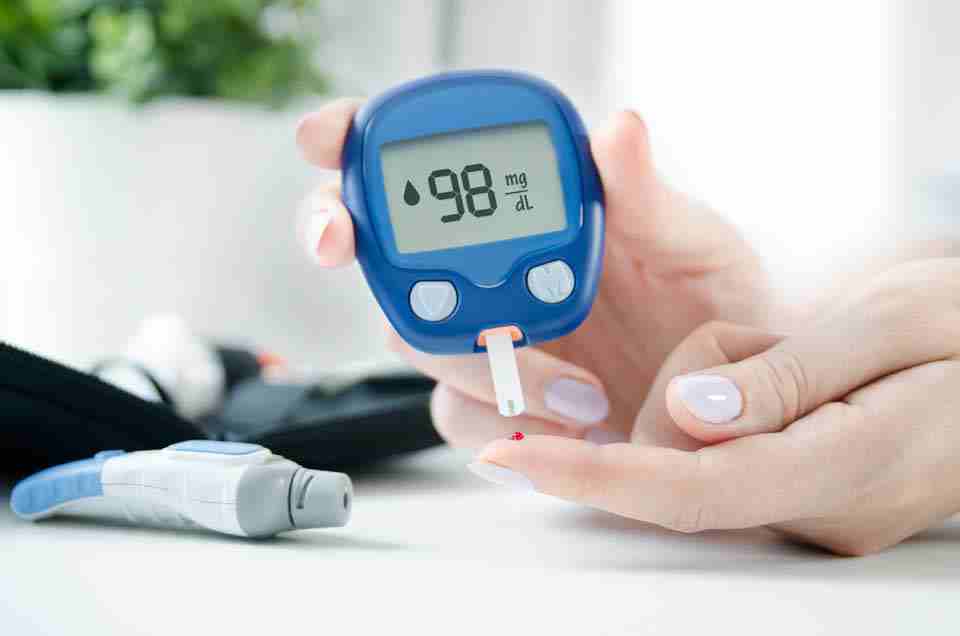
Second, a normal home glucometer strip is not a laboratory result. Meters are for watching a known diabetes, not for finding it.
The type 1 pattern is different, and faster
Everything above describes the slow type 2 picture. Type 1 diabetes, and the slower adult-onset form called LADA, behave differently: the insulin-making cells are being destroyed rather than resisted, so the sugar climbs quickly and the symptoms arrive in weeks rather than years.
- Thirst and urination that become severe within a fortnight.
- Weight loss that is fast and unmistakable, in somebody who was not trying to lose.
- Extreme tiredness, nausea, vomiting, abdominal pain, fruity-smelling breath or deep rapid breathing. That is diabetic ketoacidosis and it needs emergency care the same day, not a clinic appointment.
- A young person, or a lean person, with these symptoms. Type 1 is not caused by diet or by weight, and no remedy, herb or routine can substitute for the insulin that person has stopped making. Anyone told otherwise is being given dangerous advice.
What gets blamed instead
It is worth naming the excuses, because they are the reason people arrive late.
- Age. A forty-five-year-old who cannot get through an afternoon is not simply forty-five.
- Season. Fungal infections that appear every monsoon and never fully leave are not simply the monsoon.
- Hard work. Physical tiredness improves with rest. Sugar tiredness does not.
- Water. Drinking more because it is hot is one thing; drinking two litres extra and still being thirsty is another.
- Pregnancy and the period after. Gestational diabetes is screened for precisely because it is silent, and it does not always go away afterwards.
What to change while waiting for the report
- Stop drinking calories. Sweet tea, packaged juice, cold drinks and the evening malt-based drink are the fastest lever, and none of them needs willpower the way rice does.
- Put protein and vegetables before carbohydrate at each meal, and keep the last bite of the plate as the carbohydrate rather than the first.
- Walk after the two largest meals of the day, even ten minutes each.
- Fix sleep before fixing the diet. Six hours of broken sleep will move a fasting number more than a week of careful eating.
- Write the numbers down. Two readings a week, same time of day, with what the last meal was. This is the single most useful thing to bring to any appointment, Ayurvedic or otherwise.
Where Ayurveda looks at the same list
Classical texts describe madhumeha as a condition that arrives through a long line of smaller errors - the kapha-increasing habits, the heavy and sweet diet taken daily, the lack of movement, the sleep by day - and the early signs we list above map onto that sequence reasonably well. The difference in emphasis is that Ayurveda reads the list as a description of a direction, not a decision to wait.
In practice, that means the same three levers we would apply to a prediabetes number: the plate and its order, the daily walk, and the night. The herbs and formulations we use sit on top of those, chosen for the individual picture rather than for the sugar figure, and they are support - not a substitute for the medicine that a diagnosis requires.
Where we fit in
At our two centres, somebody arriving with this cluster is asked to bring the laboratory numbers before anything is started. The first visit goes through the signs above one by one, checks the feet and the blood pressure, looks at the current medicine list including anything already being taken from an herbal shelf, and sets a plan for the next three months with a repeat test at the end of it.
What we do not do is diagnose diabetes from the pulse, promise that a formulation will normalise an HbA1c, or advise anybody to stop metformin, insulin or a steroid that a doctor has prescribed. If the report says diabetes, the diagnosis belongs to the numbers, and the treatment decision belongs to a doctor who can see the whole picture - including the kidneys, the heart and the eyes.
Every individual is different. Before changing any medicine, dose or routine, please consult the qualified doctor who prescribes your diabetes treatment. Nothing in this article replaces that relationship.
Related reading



Take the next step on your own case
Aksa physicians have been consulting on Ayurvedic care since 1992. Book a free video consultation and get a routine built around your digestion, sleep and history.