Shatavari is the herb women in their thirties and forties ask about most, and almost all of what they have read is either a marketing claim or somebody else's hormone panel. It is a genuine traditional medicine with specific cautions, and the cautions are not on the packet.
What it is
- Asparagus racemosus, wild asparagus, and the part used is the tuberous root: moist, sweet and nourishing.
- The classical name is a comment on the herb rather than a prescription, and the tradition attached to it covers fertility, nourishment and women's health.
- Forms: root powder, ghrita, tablets, and the prepared mixes, several of which are largely milk powder and sugar with the herb in them.
- In the texts it is cooling and nourishing, which is why it suits the dry, hot complaints and suits a slow cold digestion badly.
What it is genuinely used for
- The flushing, irritability, thirst and broken sleep of the perimenopausal stretch, as part of a plan rather than as a single line.
- Burning urination in classical practice, once a urine test has excluded infection.
- Weakness and low weight after a long illness or a difficult delivery, as nourishment where heavy food will not go down.
- Lactation support, traditionally. The studies are small and mixed, and it is reasonable to try where milk supply is the worry and the baby is being monitored.
- Acidity and the hungry-sore feeling in someone who cannot manage ordinary food.
How it is given
- Powder, a quarter to half a teaspoon, in warm milk or with a little ghee, usually at night.
- The prepared mixes vary enormously in how much herb is actually in them. Read the list for milk powder and sugar before calling it shatavari.
- Ghrita is chosen deliberately for the dry, hot, irritated picture and is a different amount from the powder.
- It is a slow nourishing herb. Two weeks of it tells you nothing; six to eight weeks with the same person describing the change is the honest review point.
What it does not do
- It does not treat PCOS. That is managed with weight, insulin handling, cycle protection and sometimes medicine, and a herb can sit alongside it, not instead of it.
- It does not restore fertility, and it is not a reason to keep delaying a fertility assessment in a situation where time genuinely matters.
- It is not hormone replacement, and it does not make the menopause go away.
- It does not balance hormones as a general service, which is a phrase that cannot be examined and therefore cannot be prescribed.
What goes wrong
- It is an asparagus. Anyone who reacts to garden asparagus, or who has pollen-food sensitivity, should take a small first dose and watch.
- It behaves like oestrogen in animal work. That is precisely why anyone with a history of breast, uterine or ovarian cancer, endometriosis or fibroids should not take it without the doctor who follows them.
- Heavy or irregular bleeding that starts after beginning it is a reason to stop and be examined, not to keep taking it and watch.
- It adds to diabetes medicine, so readings move.
- It has a mild diuretic-like action, which matters with lithium and with some blood pressure medicines.
- Larger doses give loose stools, and in a person whose digestion is already slow and cold it adds heaviness and phlegm.
- Stop before any surgery and tell the anaesthetist what has been taken.
What we ask before it is started
- What the actual complaint is: cycle, bleeding, pain, flushing, mood, fertility or milk supply. These are six different conversations.
- Any hormone-sensitive diagnosis in the history, and any family history worth knowing before an oestrogen-like herb is added.
- Every medicine and supplement, and any thyroid or diabetes reading from the last year.
- Whether there is a diagnosis to be made first. Irregular or heavy bleeding after forty gets examined, not supplemented.
Aksa physicians have been consulting on Ayurvedic care since 1992. In a free video consultation they will tell you whether shatavari suits your situation, which form and dose, and what should be checked before it is added to anything you are already taking.
Every individual is different. This page is general education, not a prescription for you, and it cannot replace an examination.
More herbs

Shankhpushpi: the herb for sleep and a busy mind
Read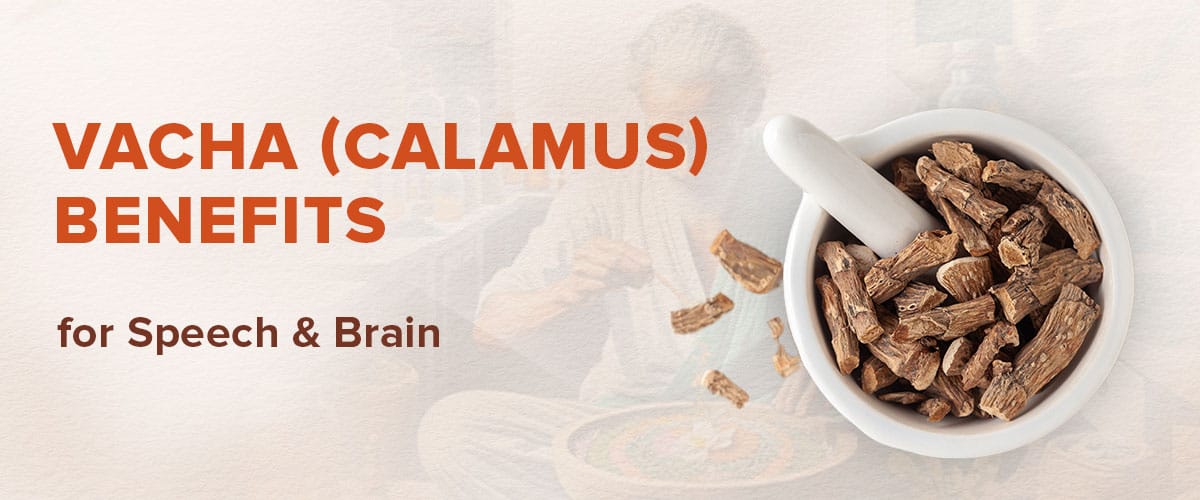
Vacha (Calamus): a strong herb used in small doses
Read
Manjistha: the herb behind our skin-clearing protocols
Read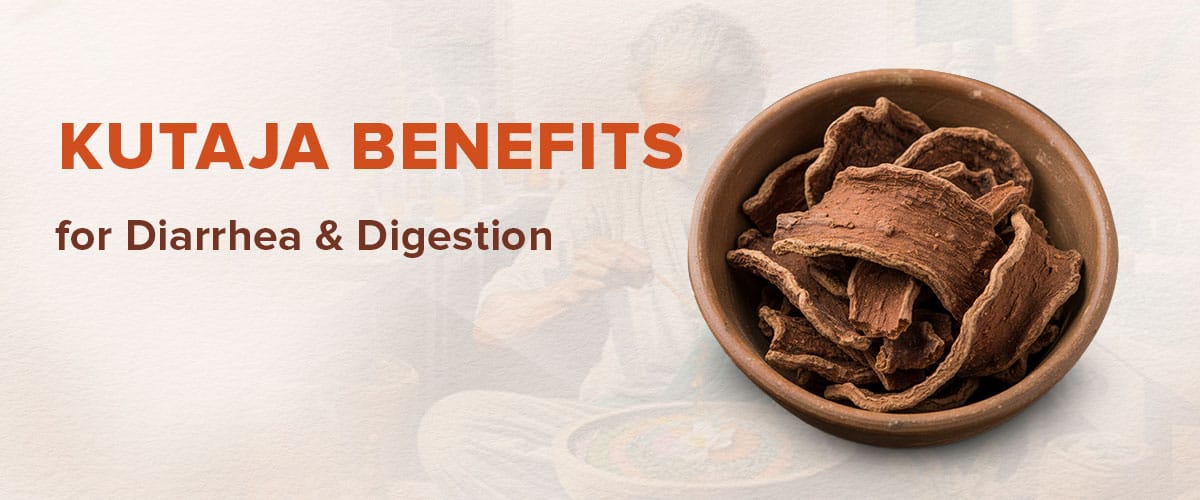
Kutaja: what Ayurveda uses it for in dysentery
Read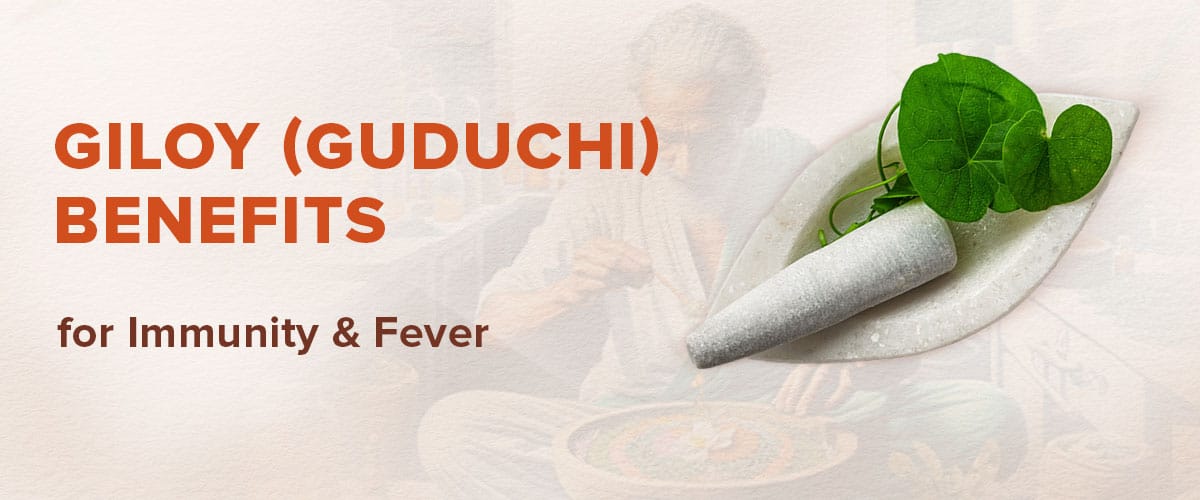
Giloy (Guduchi): what it is actually good for
ReadTriphala: the three fruits and what they do together
ReadAsk a physician before you start
Aksa physicians have been consulting on Ayurvedic care since 1992. In a free video consultation they will tell you whether this herb fits your digestion, your current treatment and your routine.