
Ayurvedic medicine
Ayurvedic medicine for fat loss: what it can and cannot do
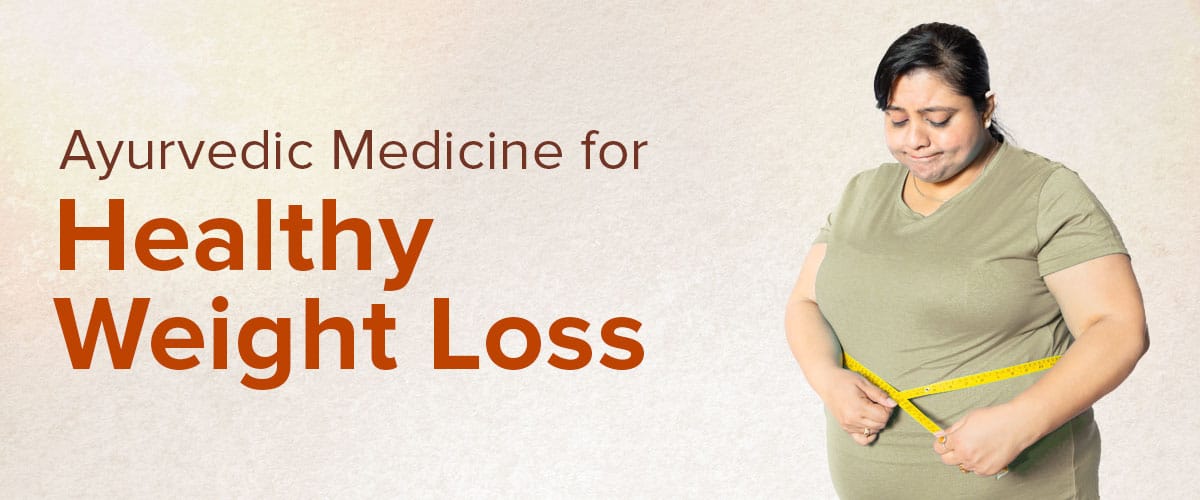
Fat loss is a chemistry question with a compliance problem attached to it. Ayurvedic medicine can help the compliance half. It cannot help the chemistry half any more than a tablet can help you sleep less and still be rested.
Fat loss is not weight loss
- The scale moves for reasons that have nothing to do with fat: water, salt, a heavy carbohydrate day, the cycle, a hard session, whether the bowel has emptied.
- Fat is lost slowly and at a rate that has a ceiling. Anyone promising a kilo a week is describing water, muscle, or a lie.
- Losing muscle while losing fat is the common failure. The weight goes, the shape does not improve, and the metabolism drops, which is why the same diet stops working the second time.
- Waist measurement, photographs at the same light, and how clothes fit are better instruments than any scale.
What we actually prescribe
- Guggulu preparations, mostly Yogaraja and Triphala, are the core of a fat-loss course. Their job is appetite, sluggish digestion and the heavy feeling after meals, and they do that work reasonably well.
- Punarnava where there is genuine water retention, the puffy morning face and the ring that will not come off. It reduces the water, not the fat, and it is honest to say which one you are seeing change.
- Guduchi where sugars and liver readings have crept up with the weight, which is the picture most often sitting underneath the complaint.
- Methi and fibre preparations before meals, for the person whose hunger is the reason the plan fails by Thursday.
- Ashwagandha where stress eating, poor sleep and cravings are the actual mechanism. Cut the cortisol day and the kitchen stops being the problem.
- Triphala at night, because constipation and bloating make anyone feel they are failing when they are simply backed up.
- A course is reviewed at a date. A medicine that has moved nothing in eight weeks is stopped, not continued.
What these are good for, honestly
- Appetite control, which is the part people cannot fix by willpower and which is a real, physiological thing.
- Digestion and the heavy post-lunch slump, so that walking after meals becomes possible instead of a punishment.
- Water and bloating, which improves how a person looks and feels within two weeks and buys the motivation to keep going.
- Sleep and stress, which is where a stalled plan usually is stuck.
- Keeping you in the programme. That is a legitimate effect. Adherence is the whole game, and anything that improves it has earned its place.
What they will not do
- They do not burn a meaningful number of calories. There is no herbal thermogenic that moves body composition on its own, and the products that claim it either contain caffeine at stimulant doses or do nothing.
- They do not reduce fat from one place. Spot reduction is not real: no oil, no belt, no massage, no preparation targets the abdomen specifically. Fat leaves the body in the order it decides to.
- They do not correct a diet that is still in surplus. Every formulation on this page is defeated by an evening of biscuits.
- They do not build muscle. Protein and resistance work do, and they are the two things that determine whether the weight lost is fat or something you needed.
- They do not fix a medical cause of weight gain. Thyroid, pituitary and adrenal disease are not treated here; those belong with an endocrinologist, and unexplained rapid gain with striae, facial change or weakness needs that referral rather than a course.
The safety question
- Fat-loss products are the category where adulteration is most common. Stimulants, diuretics, laxatives and occasionally prescription drugs have been found in herbal weight-loss packets, sometimes undeclared and sometimes at high dose.
- The consequences are real: palpitations, high blood pressure, dehydration, dependence on laxatives, liver injury, and in a susceptible person a dangerous heart rhythm.
- We use named classical preparations from manufacturers who publish testing, we avoid the proprietary slimming blends, and we ask to see whatever is already being taken.
- Long courses need liver and kidney function checked. Anyone with heart disease, hypertension, anxiety, kidney disease or a history of eating disorder gets a shorter, more careful plan.
- Guggulu is avoided in pregnancy and in thyroid disease, which is a genuine interaction rather than a formality.
What has to be true for any of it to work
- Protein at every meal, enough of it. This is the single most useful dietary change, and it protects muscle while the total comes down.
- A deficit that is modest enough to survive. An aggressive plan works for eleven days and then collapses. A modest one works for eleven weeks.
- Resistance work twice a week. Not to burn calories, but to tell the body which tissue to keep.
- Walking that is built into the day rather than performed as a session.
- Sleep. Short sleep raises hunger and lowers willpower, and it is the least discussed variable in every stalled plan.
- Alcohol and sugary drinks, which are the two places where a good week quietly goes wrong.
How we judge it
- Waist, weight, and how the plan is going, at four and eight weeks. Not daily.
- Hunger, energy, sleep and training quality, because those decide whether the next eight weeks happen.
- Blood pressure, sugar and liver readings where they were abnormal to begin with, since those improve before the mirror notices.
- The medicine is the support. The fat loss is coming from the deficit, and the honest framing is that the tablet is here to make the deficit tolerable enough that you actually keep it.
ShareWhatsApp
More medicines
Ask a physician before you start
Aksa physicians have been consulting on Ayurvedic care since 1992. In a free video consultation they will tell you which formulation fits your case, in what dose, and whether it suits the treatment you are already on.