Ayurvedic medicine
Ayurvedic medicine for gout: bringing uric acid down
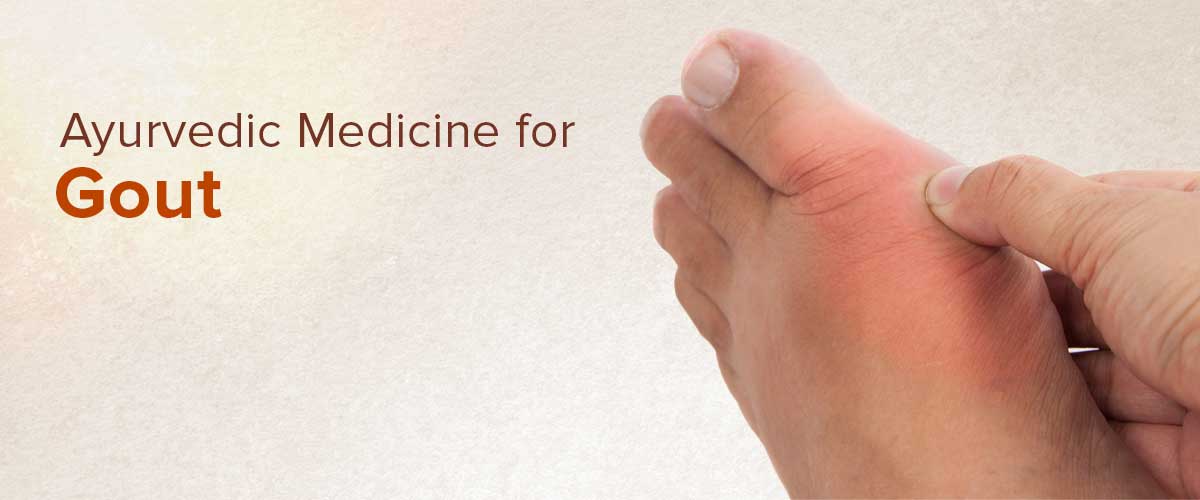
Gout is the clearest case on this site of a disease where the Ayurvedic medicine and the conventional medicine do two different jobs. One helps how the joint feels. Only the other brings the uric acid down.
What is actually happening
- Uric acid is the end product of purine metabolism. When it stays high, needle-shaped crystals settle in a joint, and the immune system attacks them.
- The attack is violent and abrupt: a toe, an ankle or a knee that is red, hot, swollen and too painful for a bedsheet, often starting at night.
- Between attacks the person feels completely normal, which is precisely why most people stop doing anything, and why the disease progresses.
- Untreated, attacks come more often, more joints are involved, tophi form under the skin, and uric acid damages the kidneys.
- The cause is usually the kidney clearing uric acid slowly, not simply eating too much purine. Diet matters, but it is a smaller lever than most people expect.
What we prescribe during a flare
- Cooling, anti-inflammatory preparations rather than heating ones. Kaishora guggulu and a punarnava base are the usual direction; the warming guggulu used for a stiff arthritic knee is the wrong choice in an acute hot joint.
- Guduchi as the general anti-inflammatory through the course.
- Topical cooling applications and rest, with the joint elevated. Heat, massage and vigorous movement make an acute gouty joint worse, and this is one of the places where a routine Ayurvedic habit has to be set aside.
- Plenty of water, and nothing at all that dehydrates: no alcohol, no long fasts, no heavy sweating.
- A flare is treated as a flare. Colchicine or an NSAID, or a short steroid course prescribed by a physician, stops it faster than anything herbal, and we say so.
What we prescribe between attacks
- This is the part of the plan most people skip, and it is the part that decides whether the toe survives the next five years.
- Uric acid has to be lowered and held low. Allopurinol or febuxostat do that. They are prescribed and monitored by a physician, they are usually lifelong, and no herbal preparation substitutes for them.
- The herbal course in this phase is for the joint, the digestion, the weight and the kidneys, alongside the uric-acid drug rather than instead of it.
- Starting an uric-lowering drug can itself trigger an attack as the crystals begin to dissolve. That is expected, it is not a failure, and it is the reason people abandon treatment in month two. Covering it is the physician's job.
- Weight reduction, particularly around the middle, lowers uric acid meaningfully. So does stopping beer and spirits. So does cutting sugar-sweetened drinks, which raise uric acid as much as many purine foods do and get far less attention.
- Kidney function and urine are monitored, because gout and kidney disease push each other in both directions.
Where Ayurvedic medicine genuinely helps
- The residual ache and stiffness after a flare has settled, which can last weeks.
- Reducing how often flares happen when it is used as part of a complete plan, though the honest claim is modest.
- The digestion, water retention and weight that sit around the disease.
- The person who cannot take colchicine or NSAIDs comfortably, where a gentler anti-inflammatory is worth having.
- Keeping someone engaged with a long-term plan, which has real value in a disease whose treatment is boring and asymptomatic.
Where it must not be relied on
- Uric acid that stays high. Herbal preparations have not been shown to bring it down enough to stop crystal deposition. If the number is high, the number needs treating.
- Tophi. Deposits under the skin, on the ear or in the fingers do not dissolve with a tablet; they dissolve, slowly, when uric acid is held low for a long time.
- Gout with kidney stones, reduced kidney function, or protein in the urine.
- An attack that has not settled in a week, or that comes with fever. A hot swollen joint with fever is infection until an aspiration says otherwise, and that is an emergency.
- Sudden severe pain in someone on chemotherapy, or with a known blood disorder.
The interactions and the label
- Colchicine and some herbal preparations compete at the same metabolic pathway, and colchicine toxicity is a genuinely dangerous thing in someone with reduced kidney function.
- Diuretics, including the low-dose ones used for blood pressure, raise uric acid. So does aspirin at low dose. If attacks keep coming, that list is worth reviewing with the prescribing doctor rather than adding another tablet to it.
- Some herbal gout products have been found adulterated with phenylbutazone or corticosteroids. That is why the packet matters, and why we ask people to bring what they are already buying.
- Licorice is limited where blood pressure is high. Long courses need liver and kidney checks.
The daily part of the plan
- Water through the day, enough that the urine stays pale.
- Beer and spirits reduced hard. They raise uric acid twice over, by their purine content and by how the body handles them.
- Sugar-sweetened drinks and fruit-juice-heavy diets cut back; fructose raises uric acid.
- Organ meats, rich meat gravies, sardines, mackerel, anchovies and large shellfish portions in moderation rather than eliminated, because total restriction is rarely sustainable and rarely necessary once the drug is doing its work.
- Cherries, low-fat dairy and coffee all tend the right way and are cheap additions.
- Weight coming down gradually. Crash dieting raises uric acid and triggers attacks, which is the one place where a well-meant fast does real harm.
How we judge it
- Attacks per year, and how long each one lasts.
- The uric acid number, measured on the same laboratory range the physician is targeting.
- Kidney function, blood pressure and weight, which is what gout eventually damages.
- Whether the uric-lowering drug is still being taken. In gout, the most dangerous patient is the one who feels fine and has quietly stopped.
ShareWhatsApp
More medicines

Ask a physician before you start
Aksa physicians have been consulting on Ayurvedic care since 1992. In a free video consultation they will tell you which formulation fits your case, in what dose, and whether it suits the treatment you are already on.