
In diabetes, a home remedy is either something that lowers the number or something that delays the medicine that does. This post sorts the two apart.
It also names the practice that quietly puts people in danger: stopping insulin or metformin to run on a glass of juice. Nothing here replaces the doctor who prescribes your diabetes treatment; what it does is tell you which of the things you have already tried are actually earning their place in your day.
First, which diabetes you have
This sounds obvious and is the single most important line in the post, because the honest answer changes completely.
Type 1 diabetes means the pancreas makes little or no insulin. Insulin is not an option in Type 1 and no food, herb or routine can take its place. Anyone with Type 1 who is told otherwise is being pushed toward a dangerous week, not a healthier one. What home care does add in Type 1 is better matching of food, activity and dose, which is worth a great deal.
Type 2, which is most of what we see, is a different animal. Here the body still makes insulin but responds to it poorly, and the number can genuinely come down with weight, walking and food order. In early, well-managed Type 2, doctors sometimes reduce medicines. That reduction is a decision the prescriber makes from readings, not something a patient does at home with a glass of karela juice.
Gestational diabetes, pre-diabetes, and diabetes caused by pancreatic disease or by steroids each have their own rules. If your diabetes came with a medicine or another illness, ask what kind you have before reading any remedy as a plan.
Five things that actually move the number
1. The ten-minute walk after each main meal
Walking after eating works differently from walking for fitness. Muscles take up glucose without needing as much insulin when they are contracting, so a slow ten to fifteen minute walk right after lunch and dinner blunts the spike that would otherwise hit an hour later. It is the cheapest, most reliable home intervention there is, and it works the same day you start it.
It does not have to be brisk, and it does not replace the longer walk you should also be doing. On days you cannot walk outside, pacing the house, ten slow squats to a chair, or marching on the spot for two minutes after each meal all count.
2. What goes on the plate first, not only what goes on it
The same thali eaten in a different order produces a lower post-meal reading. Vegetables and salad first, then protein and curd, then roti or rice last. Fibre and protein slow gastric emptying, so the carbohydrate arrives later and in a gentler trickle. In practice this means finishing the sabzi and the dal before the roti is touched, rather than pushing rice around the plate with every bite.
Portion still matters. The order is not permission for three rotis; it is a way to get more out of the two you were going to eat.
3. Weight, and specifically the waist
In Type 2, weight loss is the home measure with the largest effect, because it works on the cause rather than the reading. The waist is the better number to follow than the weighing machine, since the fat that drives insulin resistance sits around the abdomen. Even five kilograms off a long-standing weight usually shows up in the fasting reading and in HbA1c within three months.
Crash dieting is not the plan here. A steady, modest deficit, kept for six months, beats a strict regimen kept for three weeks, and it is far safer if you take insulin or sulfonylurea medicines, where a sudden drop in food means a sudden drop in sugar.
4. Liquid sugar, including the tea you think is plain
Sugar in liquid form lands fastest because there is nothing in it to slow absorption. Cold drinks, packaged juice, lassi with sugar, mithai, and two or three cups of sweet tea through the day are the usual culprits in Indian homes. Reading labels for added sugar, and keeping fruit whole instead of blended, does more than any supplement on this page.
Brown sugar, honey, jaggery and date syrup are not diabetes-friendly versions of sugar. They raise the reading much the same way, and the idea that they are healthy is the reason so many people who have stopped white sugar still run high.
5. Sleep, night work and stress
Short sleep raises fasting sugar the next morning even in a healthy person, and in diabetes the effect is obvious on the meter. Late dinners, four hours of broken sleep, and night-shift work all push readings up without a single extra bite. Anxiety and pain do the same through stress hormones, which is why sugars often climb during a family crisis and no one can explain it.
This is not a moral point about discipline. It is the reason a person eating correctly can still have a fasting number in the 180s and be told, correctly, that the missing part of the plan is the night, not the plate.
The remedies people actually ask us about
Each of these gets asked about every week. The honest answer is not that they are all nonsense; it is that they sit in three different groups.
Small but real effects
- Fenugreek (methi) seeds. Soaked or lightly roasted, the fibre slows carbohydrate absorption and readings after meals can settle a little. It is a food-level effect, not a drug-level one, and it can add to the action of your medicines, so sugars should be watched when you start it.
- Cinnamon. Studies show a modest fall in fasting sugar. The common Indian cassia variety contains coumarin, which the liver does not like in daily large doses, so a pinch in food is sensible and spoonfuls of powder are not.
- Whole fruits, vegetables, dals and sprouts generally. More fibre in the day reliably flattens post-meal readings. This is the least exciting advice on the page and the most useful.
Fine as food, useless as treatment
- Jamun, amla, tulsi and curry leaves. Eating them or chewing a leaf or two is harmless and, in the case of amla and jamun, a better choice than the sweet they replace. Drinking concentrated juice of any of them instead of medicine is a different matter.
- Turmeric milk. Comforting, safe for most people, and it does not lower blood sugar in any way you would notice on a meter.
- Apple cider vinegar. A small effect on post-meal readings appears in some studies. It erodes tooth enamel, irritates the food pipe, and interacts with diabetes and kidney medicines. It is not a treatment, and taking it on an empty stomach in Type 1 or with a SGLT2 medicine is a bad trade.
- Dry fasting, juice days and lemon-water cures. A day or two of this will not fix diabetes and can put you into a low sugar or, worse, a ketoacidosis if you cut food while on insulin or certain newer tablets.
The one that causes real harm
Unbranded or loosely sold diabetes powders, capsules and syrups. This is not a rumour and it is not an Ayurveda-versus-allopathy argument: analyses over years have found herbal diabetes products spiked with glibenclamide, phenformin and steroid-like drugs, sometimes at doses the seller never tells the patient. The result is severe low sugar, lactic acidosis, or a month of unexplained swelling and high sugars, and the doctor sees only a patient who says they are taking something natural.
If you want an Ayurvedic medicine alongside your diabetes treatment, use a prescribed product from a registered manufacturer, tell the doctor exactly what you are taking, and check your sugars more often for the first two weeks. Anyone who tells you to stop your tablets or insulin and gives you a packet instead has given you dangerous advice, whatever is on the label.
What is not safe, stated plainly
- Stopping or reducing insulin in Type 1, or in insulin-dependent Type 2, for any home remedy. This is the single decision that ends in an emergency.
- Skipping meals to control sugar while taking insulin or sulfonylurea medicines. The reading falls, then it falls too far.
- Very low-carbohydrate or fasting regimens without telling the prescriber, especially on SGLT2 inhibitor medicines, where ketoacidosis can occur at sugars that look almost normal.
- Buying injectable or imported medicines on a recommendation, or taking someone else's higher dose.
- Treating a foot blister, corn or ingrown nail at home with a blade, a heating rod, or a strong ointment. Diabetes feet are a different problem from ordinary feet.
Hypoglycemia: the one home skill everyone needs
A low sugar is more dangerous in the next ten minutes than a high one is in the next ten days, and it is treated at home in ninety seconds. The signs are sudden sweating, shaking, a racing heart, hunger, irritability, blurred vision, then confusion or slurred speech if it is not corrected. Anyone who feels these should stop what they are doing and check, if a meter is at hand.
- Take three teaspoons of sugar in half a glass of water, or four to five glucose tablets, or a regular soft drink and not a diet one
- Wait fifteen minutes, then check again; if still low, repeat
- Once the reading is up, eat the actual meal or a couple of biscuits, because the sugar alone will wear off
- Do not treat a low with a chocolate or a plate of rice first; the fat and fibre delay recovery
- If the person is drowsy or vomiting, put nothing in the mouth and call for medical help immediately
Recurrent lows, night-time lows, or lows without warning symptoms are a medicine problem, not a willpower problem. The doctor who prescribes your diabetes treatment usually needs to change a dose or a timing, and that conversation should happen the week it starts, not at the next scheduled visit.
Checking at home, and what the numbers mean
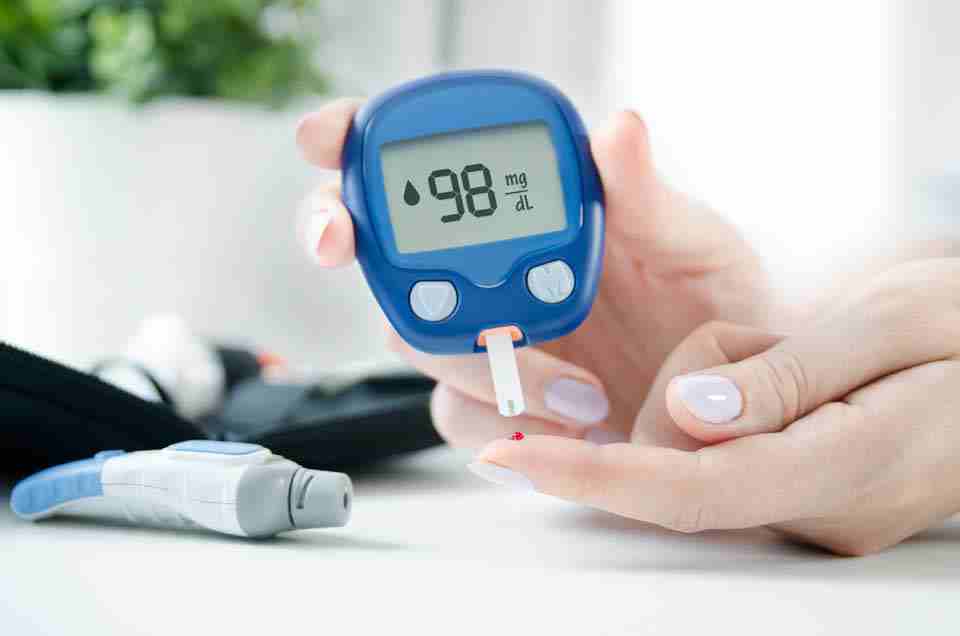
A meter is only useful if readings are written down with the time and the meal. Fasting, and two hours after the main meal, on a few days each month tells the doctor far more than one alarming reading taken during an illness. Targets are individual: an otherwise healthy younger adult is held to a tighter range than someone elderly with heart disease or a history of lows, so the numbers to aim at come from your own doctor rather than from a relative's chart. Commonly used adult ranges are a fasting reading in the low hundreds, a two-hour post-meal reading under one hundred and eighty, and HbA1c around or below seven per cent, with each of those adjusted for the person in front of the doctor.
HbA1c is the three-month average and cannot be moved by a week of good behaviour. It is the number to believe when someone claims a remedy has cured your diabetes: if the average has not shifted, the remedy has not worked, however the daily readings bounce.
Wash hands before pricking, use a fresh needle each time, keep strips closed and away from heat, and check the meter against a laboratory value once a year. A meter reading forty points off will change your treatment in the wrong direction.
The everyday list that protects you more than any remedy
- Look at both feet every evening: cut, blister, red patch, cracked heel, colour change. Any wound that has not started healing in a few days gets seen, not waited on.
- Never walk barefoot, and break in new shoes slowly; check inside them before putting the foot in.
- Keep nails straight and short, and let a professional deal with corns and ingrown nails.
- No hot water bottles, heating rods, or very hot bathing water against the legs; reduced sensation means the burn happens before you notice it.
- Eyes examined once a year, and sooner if vision changes, because retinal damage is silent until it is not.
- Dental care and gum checks; recurring gum infection pushes sugars up and high sugars keep the gum infection going.
- Flu, typhoid and pneumococcal vaccination as your doctor advises; infections are how sugars run away.
- Do not smoke, and keep alcohol low; both damage the same blood vessels from the other side.
Signs that mean today, not next week
Very high sugar with vomiting, deep fast breathing, a fruity smell on the breath, drowsiness or confusion is diabetic ketoacidosis and needs emergency care immediately; no home remedy and no waiting for the next clinic day. Equally urgent: chest pain or breathlessness on exertion, a black or spreading wound on the foot with fever, sudden loss of vision, a low sugar that keeps returning after treatment, and readings that stay above three hundred despite taking your medicines. Fever with burning urination or flank pain in diabetes also belongs to a same-day doctor rather than to drinking more water.
At our two centres
- Model Town and Burari, first meeting free. We read your meter log and your prescriptions together, measure waist and weight, rebuild the plate around the food you already eat, set the post-meal walk, look at your feet, and work out whether anything you are taking on your own belongs in the bin or in a conversation with your diabetologist.
- We do not change, reduce or replace your insulin or diabetes tablets, and we do not sell a substitute for them. Where Type 1 sugars are unstable, pregnancy is involved, eyes, kidneys or nerves are affected, or a wound is not healing, you are referred in the same week and we work alongside that care.
Every individual is different. Before starting any new remedy, supplement or diet change, tell the doctor who treats your diabetes, especially if you take insulin, metformin, sulfonylureas, kidney or blood-thinning medicines.
Related reading




Take the next step on your own case
Aksa physicians have been consulting on Ayurvedic care since 1992. Book a free video consultation and get a routine built around your digestion, sleep and history.