
Neem is the most useful and most misused tree on this list. Leaf water and leaf paste are safe and genuinely good on skin. The concentrated seed oil is the one thing in an Ayurvedic cupboard that has seriously harmed children.
Which part of the tree
- Leaves: the bitter part, used as a wash, a paste, dried powder and tablets.
- Bark: stronger, and used inside classical formulations rather than on its own.
- Seed oil: a completely different substance. Thick, pungent, dark, and the part that must never be swallowed.
- A label that says neem without naming the part is not giving you information, because the parts have different safety profiles.
What it genuinely helps
- Acne, as a wash and as a short paste on individual spots. The antibacterial action is real, and it works better as an addition to a routine than as the whole routine.
- Itching from heat, insect bites and the dandruff seasons, as cooled leaf water used as a rinse.
- Ringworm and fungal edges as an adjunct. Note that ringworm running for months in India is very often a steroid-modified rash, and that needs a doctor's prescription rather than a leaf.
- Scabies and lice in traditional practice as an oil paste, where it is comfort and not cure. Scabies needs proper treatment for the whole household.
- Clean superficial cuts, washed with cooled neem water and nothing else.
- Gums and mouth: the neem stick and a neem rinse are legitimate traditional oral hygiene, and they do not replace a scale and polish.
What it does not do
- It does not treat dengue and it does not raise platelets. This is the claim that has kept families at home through the wrong three days, and it has cost lives.
- It does not cure hepatitis, tuberculosis, HIV or any established infection.
- It is not a worm medicine in the sense that a proper anthelmintic is.
- It does not purify blood, and the phrase hides what would otherwise be a useful page.
The serious caution
- Swallowed neem seed oil, particularly in children, has caused vomiting, drowsiness, seizures, metabolic acidosis and a Reye-like illness. This is documented, not theoretical, and small amounts are enough.
- Neem oil belongs on the skin, diluted, and stored somewhere a child cannot reach it.
- Oral neem in concentrated form is a physician's decision on dose and duration both. It is not a seasonal habit.
What else goes wrong
- It lowers blood sugar and adds to diabetes medicine, so readings move and lows become possible.
- It adds to blood thinners and to sedatives.
- Not in pregnancy. Traditional and experimental data both point away from it, and it has historically been used to prevent conception.
- Neem has an anti-fertility history in animal work in both men and women, which matters to anyone actively trying to conceive.
- Undiluted oil on the face gives a burning, peeling reaction that people mistake for the herb working.
- Liver enzymes rise in some people on long oral use, which is a reason for periodic readings.
What we ask before it is used
- Which part, which form, how concentrated, and by what route.
- Diabetes medicine, blood thinners, sedatives, and any pregnancy being planned.
- Whether the skin problem is fungal, eczema, acne or a steroid-modified rash, because neem is the wrong answer for at least two of those.
- Whether a fever has been running, and what has actually been tested.
Aksa physicians have been consulting on Ayurvedic care since 1992. In a free video consultation they will tell you which part of neem suits your problem, how it should be used, and the few situations where this herb is dangerous rather than helpful.
Every individual is different. This page is general education, not a prescription for you, and it cannot replace an examination.
More herbs

Manjistha: the herb behind our skin-clearing protocols
Read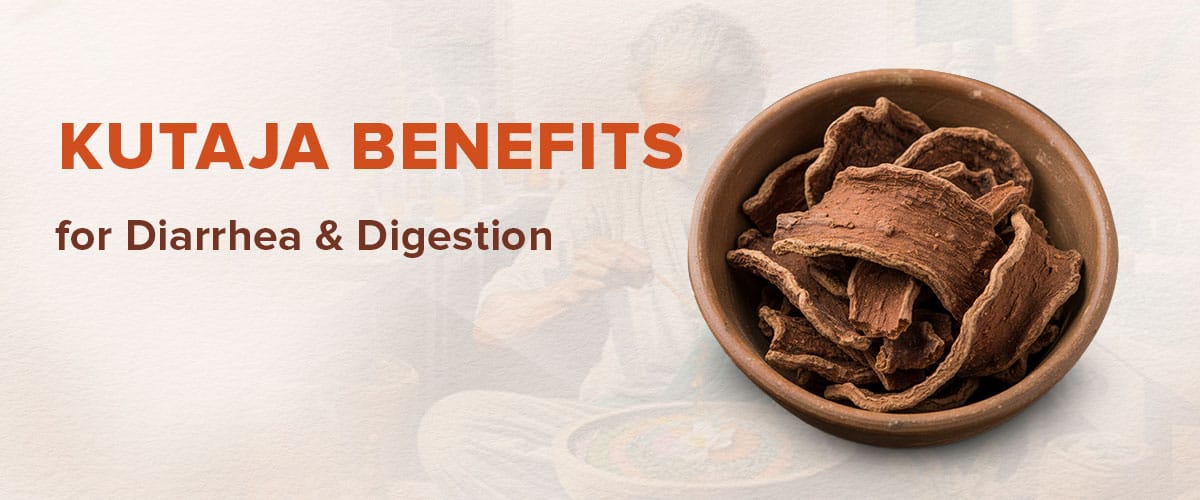
Kutaja: what Ayurveda uses it for in dysentery
Read
Shankhpushpi: the herb for sleep and a busy mind
Read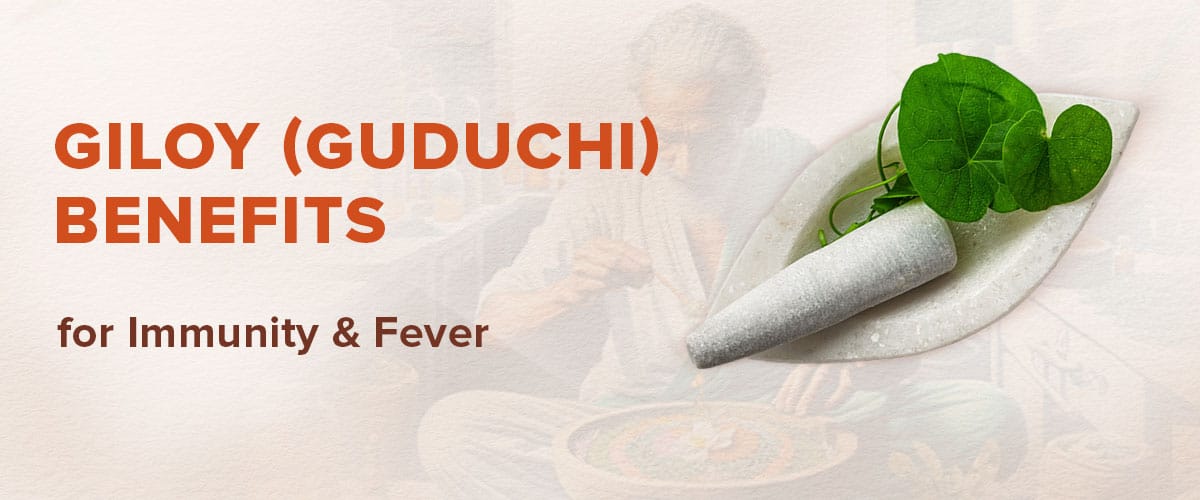
Giloy (Guduchi): what it is actually good for
Read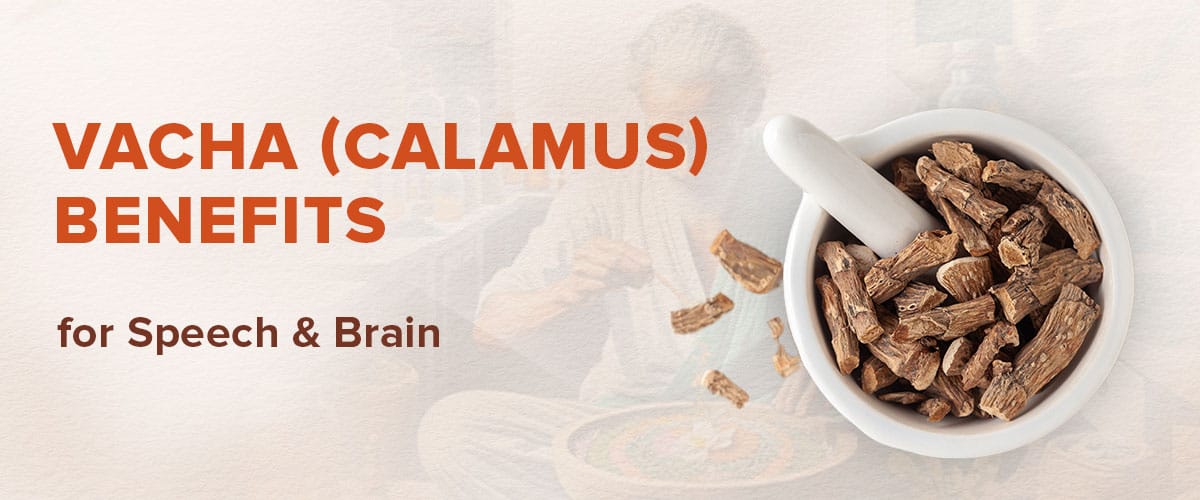
Vacha (Calamus): a strong herb used in small doses
ReadPippali (long pepper): what it adds to a formula
ReadAsk a physician before you start
Aksa physicians have been consulting on Ayurvedic care since 1992. In a free video consultation they will tell you whether this herb fits your digestion, your current treatment and your routine.