
Pippali is not black pepper, and it is not a spice to be used freely because it is natural. It is the carrier inside a great many classical formulas, and the reason it is there is that it changes what other medicines do.
What it is
- Piper longum, the dried fruit of a climbing pepper, which looks like a small grey catkin and not like a peppercorn.
- Related to black pepper, treated in the texts as its own medicine, and considered the stronger of the two.
- The pungent compound is piperine, and piperine is the pharmacology. The flavour is incidental.
- Sold whole, powdered, inside churna blends, and in tablets for cough and for joints.
Where it turns up in the cupboard
- Trikatu, the three-pungent-drug mix of pippali, maricha and shunthi, which is in most households and is far stronger than any one of the three alone.
- Inside several guggulu tablets and most classical chest formulations, where it is doing the carrying rather than the treating.
- Pippali taila, applied warm to a stiff joint or the chest in congestion, in the external tradition.
- As a whole fruit chewed with honey for a chesty cough, which is the use most people mean and the one that most often causes heartburn.
- Read the full ingredient list on any cough tablet, because pippali is frequently already in it while a separate dose is being added.
Why it sits in so many formulas
- It is a carrier: it improves how much of something else gets absorbed. Inside a formulation that is genuinely useful. Alongside a prescribed medicine it is a different story.
- Classical practice uses an increasing-dose method for cough and chest congestion, starting very small, building, then coming back down. That is a physician-run regimen and it is not safe to copy from a post.
- It belongs with the heavy, cold, phlegm-filled picture. It does not belong with a dry tickly cough and a raw throat, which is the cough most people in Delhi have.
- It appears in joint formulas where stiffness is worse in cold weather and better with warmth.
What it does on its own
- Short-term, in a small measured amount with honey or warm water, for a chesty cold in an adult.
- As a digestive stimulant in a gut that is sluggish and heavy rather than acidic.
- Topically in oil over a stiff aching joint in winter, as warmth, not as anything that changes the joint.
- As part of the classical mouth and gum preparations, where its job is local circulation.
What goes wrong
- Reflux, heartburn, burning in the gut and gastritis. This is the commonest complaint by a distance and it is why the herb is not a daily habit.
- It raises the blood level of several medicines. This has been reported with phenytoin and with propranolol among others, and it is the single most important sentence on this page.
- Anyone on an anti-epileptic, a cardiac medicine, or any drug with a narrow margin needs this said plainly to the doctor who prescribes it.
- It adds to blood thinners and increases bleeding.
- Not in pregnancy at medicinal doses, and not in children as a general tonic stirred into milk.
- Never on broken skin, never near the eye.
- Chewing the fruit daily gives raw gums and sore spots in the mouth.
What we ask before it is used
- Whether the cough is chesty and cold-type or dry and raw, because pippali is right for one and actively wrong for the other.
- Every medicine currently taken, especially anti-epileptic, cardiac and anticoagulant.
- Whether there is acidity, an ulcer history, or piles, all of which this herb aggravates.
- How much, how often, and whether there is a stop date.
Aksa physicians have been consulting on Ayurvedic care since 1992. In a free video consultation they will tell you whether pippali belongs in your formula, what it can safely be combined with, and which of your current medicines makes it a bad idea.
Every individual is different. This page is general education, not a prescription for you, and it cannot replace an examination.
More herbs

Shankhpushpi: the herb for sleep and a busy mind
Read
Manjistha: the herb behind our skin-clearing protocols
Read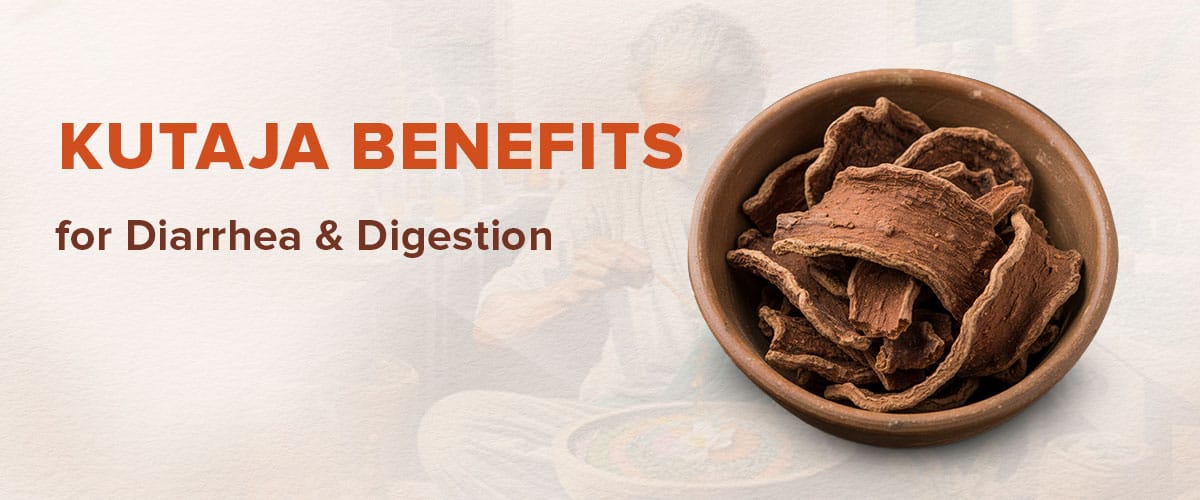
Kutaja: what Ayurveda uses it for in dysentery
Read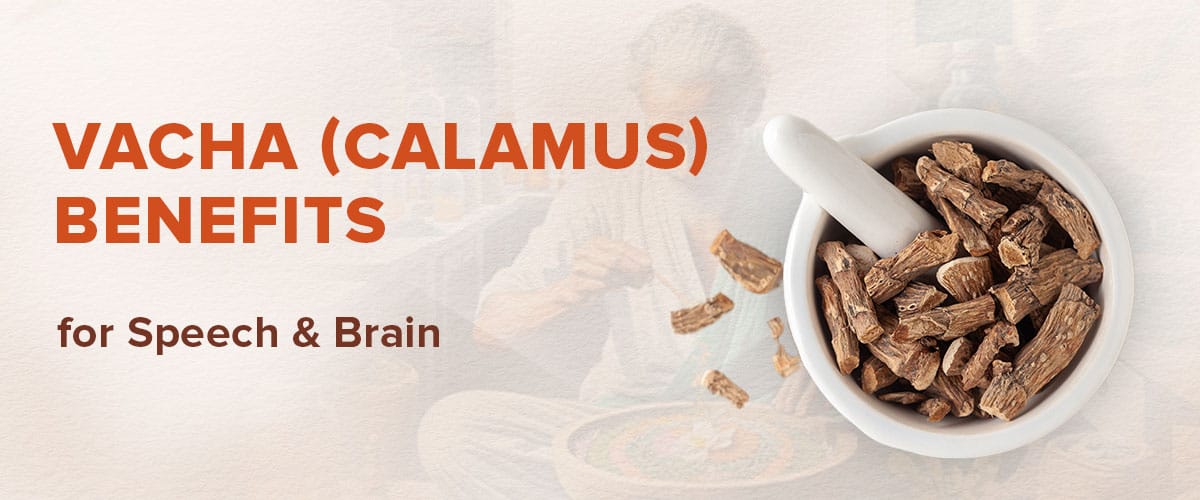
Vacha (Calamus): a strong herb used in small doses
Read
Giloy (Guduchi): what it is actually good for
ReadNeem: how we use it for infections and acne
ReadAsk a physician before you start
Aksa physicians have been consulting on Ayurvedic care since 1992. In a free video consultation they will tell you whether this herb fits your digestion, your current treatment and your routine.