
Kidney stones: what you can do at home, and what you cannot
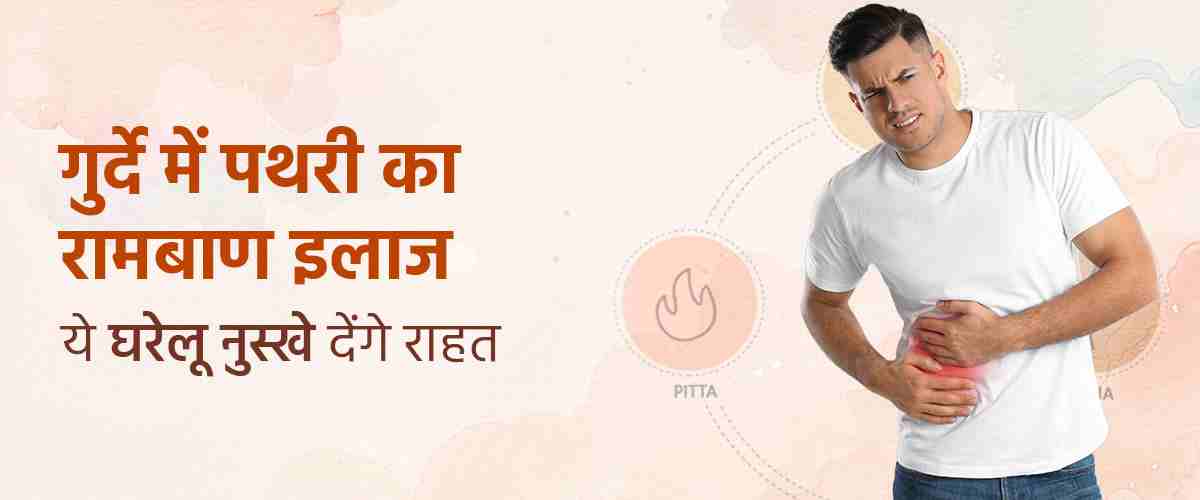
Kidney stones are mostly a fluids-and-time problem, and the home part of it is much narrower than the forwarded messages suggest. Here is what actually helps a stone pass, what stops the next one forming, and the few signs that mean the stone has blocked something.
First, what kind of stone this is
Four out of five stones are calcium oxalate. The rest are uric acid, infection stones, cystine and a handful of rarer types, and the home advice is not the same for each. Uric acid stones can genuinely be dissolved by making the urine less acidic, which is a prescription decision made with blood tests and urine pH in front of you. Calcium oxalate stones cannot be dissolved at home, whatever a bottle claims. If you have already passed a stone, keep it, dry it and take it for analysis. That single test changes the prevention plan more than any six-week course.
The only home measure with hard evidence behind it
Drink enough that your urine stays pale for most of the day. The target is roughly 2.5 to 3 litres of urine a day, which for most adults here means 3 to 3.5 litres of fluid, and more if you work outdoors or travel without water. Three things people miss:
- Spread it across the day. Two glasses at breakfast and nothing until evening leaves the overnight urine concentrated, and overnight is when stones form.
- A glass before bed, and one more if you wake at night. Nocturnal concentration is the biggest single driver of a new stone.
- Count what is actually water. The stone patient who gets dehydrated is rarely refusing water deliberately; it is chai, coffee, cold drinks and buttermilk doing the liquid work while plain water stays untouched.
What you can put in the glass
Citrate is the natural inhibitor, and lemon is the cheapest source. Fresh lemon juice in water two or three times a day raises urinary citrate; that part is real. Nimbu paani without sugar, coconut water and chaas all count. Do not sweeten the lemonade, because added sugar raises stone risk on its own. Rinse with plain water afterwards, because bathing your teeth in citrus twice a day trades a kidney problem for an enamel one.
The stone-busting herbs, honestly
Pashanabheda, Varuna, Gokshura, Palash and the various stonebreaker decoctions have been used in this country for a long time, and some of them increase urine output in animal work. Human evidence that they dissolve a formed calcium oxalate stone is weak to absent. We do not object to a mild diuretic herb helping you drink more, because the extra fluid is the active ingredient in that cup. We do object to a powder bought online replacing an ultrasound, because a painless blocked kidney keeps failing quietly for months before anyone notices. There are also reported cases of herbal preparations injuring the kidney themselves, particularly unlabelled combinations and products adulterated with painkillers.
While the stone is on its way out
- Strain every void through muslin or a coffee filter. A captured stone is a diagnosis; a stone flushed down the toilet is a lost year of prevention.
- Do not white-knuckle the pain. Paracetamol helps some people; the proper renal colic medicines are prescribed, not self-selected. If you have been given an anti-inflammatory, take it with food and stop if your urine output drops.
- A hot shower or a hot compress over the loin settles the colic for many. Heat does not move the stone, it makes the waiting survivable.
- Keep walking and keep drinking. Jumping, inversion and the viral stone-passing exercises have no evidence behind them, but a mobile person usually voids more often.
- Under 5 mm, most stones pass on their own within four to six weeks. Between 5 and 10 mm is a conversation with a urologist. Above 10 mm, or any stone in a person with one kidney, is not a home question at all.
What to stop doing
- Do not cut out dietary calcium. Low-calcium diets free up more oxalate for absorption and produce more stones. Keep milk, curd and ragi on the plate; the thing to avoid is a calcium supplement taken with your highest-oxalate meal.
- Do not try to eat your way through an oxalate list. Spinach, amaranth leaves, beetroot, peanuts, cashews, almonds, dark chocolate, sesame chutney, wheat bran and strong tea are the big contributors. Rotation beats prohibition; nobody has to live without curd rice.
- Take the salt down. Sodium drags calcium into the urine, and the Indian plate is salt-heavy through achaar, namkeen, papad, sauces and restaurant food rather than through the shaker.
- Stop the high-dose vitamin C. Above roughly 1,000 mg a day it is converted to oxalate. Effervescent immunity tablets are a stone former's worst habit.
- If the stone is uric acid, red meat, organ meat, dal-heavy meals without grain balance and alcohol matter more than oxalate ever will.
Why they come back
About half of first-time formers throw another stone within five to ten years if nothing changes, and the recurrence rate falls sharply with fluid, salt and calcium done properly. That is the honest framing: everything on this page is prevention, not removal. A person who passes one stone and goes back to two hours at a desk with one glass of water will be here again in a monsoon or two.
The signs that end the home phase
Fever with chills alongside loin pain is an obstructed infected kidney and needs same-day emergency care, not a hot bag and patience. So does vomiting that stops you holding fluids down, pain that will not settle with what you were prescribed, passing little or no urine, heavy bleeding or clots, a single kidney or a transplant, known kidney disease, or a stone watched for more than six weeks that has not moved. Deliberately waiting through an obstruction is how people lose a kidney without ever feeling acutely ill.
How we look at it at Aksa
We want the size and position from an ultrasound or CT, serum creatinine, calcium and uric acid, a urine routine for pH, crystals and infection, and stone analysis if you have the stone. If stones keep returning we ask for a 24-hour urine collection, because that tells us whether the problem is too little fluid, too much oxalate, too much calcium or too little citrate. Those are four different plans dressed up as one complaint. From there a physician decides what part is Ayurvedic supportive care and what part belongs with a urologist. If anyone promises to dissolve a large staghorn stone with powder, keep walking.
More home remedies
Ask whether this remedy fits you at all
In a free video consultation an Aksa physician reads the complaint against your digestion, sleep and history, and tells you plainly what a home remedy can and cannot do for it.