
Stomach infection: how to rest the gut while it settles
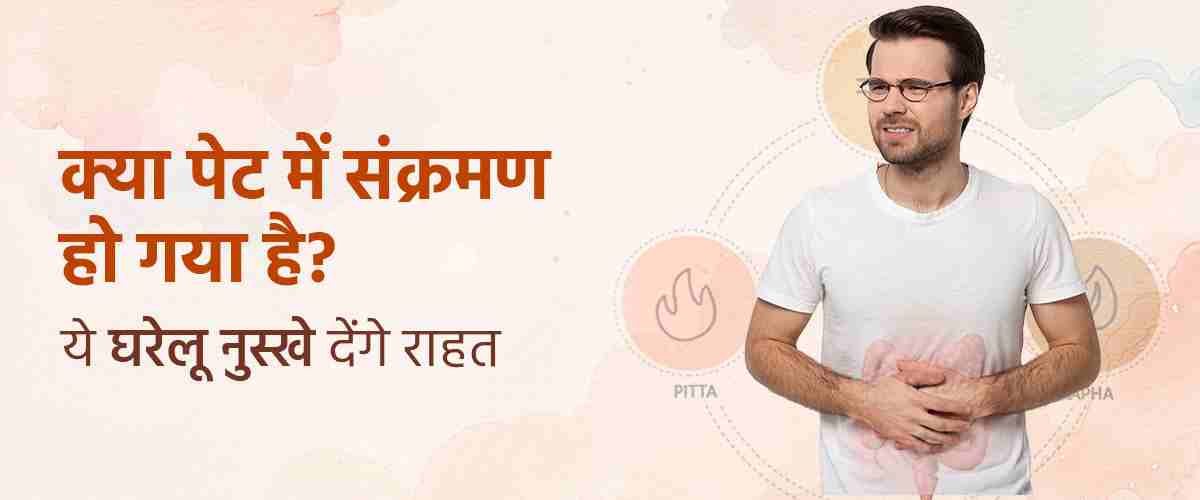
A gut infection is not treated by starving it or by the first antibiotic in the drawer. Rest the lining, replace what is going out, know which symptoms mean it is not a simple bug, and give the bowel three days to forgive you.
What is happening in there
Infective gastroenteritis means the lining of the gut has been inflamed by a virus, a bacterium or a parasite, and the symptoms are mostly the body's own response: fluid pumped into the bowel lumen to flush it, faster transit, cramping from the muscle, fever from the immune signals, nausea and sometimes vomiting. Almost all of it is self-limited, in the range of one to five days for viral and bacterial causes, longer for parasites. Which means the treatment in the first 72 hours is not antimicrobial, it is replacement and rest. It also means the illness that runs for nine days, or one with blood, or one that recurs after travel, is a different illness and needs a stool test rather than patience.
Replace what is going out, which is the actual treatment
For a loose-motion illness the working target is roughly 400 to 800 millilitres of oral rehydration solution after every loose stool, on top of normal drinking, taken in sips rather than in long pulls. One sachet in exactly one litre of water, measured, fresh every day; or homemade with six level teaspoons of sugar and half a level teaspoon of salt to the litre. Add coconut water, buttermilk with a pinch of salt, thin dal water, clear soup, weak tea. Diluted juice, not undiluted. Skip the sweet cold drinks, packaged anything, and alcohol entirely, since a sugar load in the bowel pulls more water into it. The two bedside checks are the colour of the urine and whether you are passing urine at the usual intervals; dark urine and eight hours without it means you are behind and should be assessed.
Rest the gut without starving it
Twenty-four hours of a very plain diet is the useful version of rest, not a fast. Moong dal khichdi, overcooked rice with curd, roti without ghee, boiled potato, banana, steamed apple, plain poha, salted chhawal. Small portions five or six times a day. Two things to expect and not misread: lactose is often poorly tolerated for up to a week, so milk may cause bloating and urgency while curd and buttermilk are perfectly fine; and the appetite returns last, which is normal, and forcing food makes you feel ill and teaches you that eating is dangerous. Add back fibre, raw salads and the spicy things over the following week rather than the following day, because the lining takes longer to repair than the symptoms take to settle.
What genuinely helps the cramps and the urgency
- A warm compress or hot water bag over the abdomen, twenty minutes at a time, works on the muscle spasm and is the best non-drug measure available.
- Ajwain and hing, either a pinch of each in warm water or a traditional post-meal mix, reduces the gas component and the distension. There is nothing wrong with this and it is the measure most of our patients were already doing.
- Ginger in weak tea for the nausea, and peppermint for cramping, though mint worsens acidity in some people.
- Warm rice water with a little salt is an old measure that is genuinely sensible: it carries sodium and carbohydrate and it is gentle.
- Rest. Not as folklore; the fever and the fluid shifts are the reason this illness makes a person feel wiped out for a week, and doing two days of actual nothing shortens it.
- Probiotics have modest, real data. Saccharomyces boulardii and Lactobacillus rhamnosus GG shorten infective diarrhoea by around a day in the trials, and are worth taking during and for a week after, particularly if you end up on an antibiotic.
- Zinc, 20 mg a day for ten to fourteen days, in children, is one of the best-evidenced interventions in all of diarrhoeal illness and is routinely under-used here.
What not to do
Do not start an antibiotic on your own. Most gastroenteritis is viral or self-limited, and empirical antibiotics are the reason a routine stool culture now grows resistant organisms, plus they can prolong carriage in some infections and trigger complications in others. Do not take loperamide to stop the motions if there is fever or blood, in a young child, or if the abdomen is distended and painful; it slows the clearance of the organism you are trying to flush. Do not take a steroid for this, do not do a juice cleanse or a dry fast, do not use castor oil or a purgative to push out the infection, and do not accept a homemade enema from a well-meaning relative. Do not go back to the gym in the first days of a febrile illness.
Which illness this might actually be
Food poisoning from a pre-formed toxin starts one to six hours after eating, is dominated by vomiting, and is over within a day. Viral gastroenteritis runs 24 to 72 hours and frequently sweeps through a household. Bacterial infections come with fever, cramping, urgency and sometimes blood, and start 12 to 72 hours after the meal. Amoebic dysentery is subtler: mild fever or none, cramping, frequent small volumes with mucus and blood, and it needs a specific medicine rather than time. Giardia comes after travel or mountain water, with bloating, rotten-smelling gas, greasy floating stools and a duration of weeks rather than days. Traveller's diarrhoea that persists needs testing. And typhoid begins as fever with constipation rather than diarrhoea, which is exactly why a week of unexplained fever deserves a doctor rather than more buttermilk.
When this stops being a home matter
Blood or pus in the stool, black tarry stool, or stool that is pale with dark urine and yellow eyes. Fever above 39 degrees, or any fever lasting more than three days. Severe or localised abdominal pain, particularly in the right lower side, or a rigid and distended abdomen. Vomiting that prevents any fluid intake. Signs of dehydration: dizziness on standing, a dry tongue, no urine for eight hours, confusion, cold extremities. Rice-water, painless, voluminous stools, which is cholera until proved otherwise and needs urgent rehydration. Loose motions lasting beyond seven days, or beyond two weeks in anyone. Weight loss. Infants, children under five, adults over sixty-five, pregnancy, diabetes, kidney or liver disease, heart failure, chemotherapy, steroids, HIV or any immune suppression. Anyone recently admitted to a medical ward, or on a recent antibiotic course, where a different organism called C. difficile is the suspect.
How we look at it at Aksa
Stool microscopy and culture before any antibiotic, including a search for cysts, ova and parasites when the history suggests them, and a specific antigen test for amoeba rather than the routine look. Electrolytes and kidney function when there has been real fluid loss, a complete blood count, blood sugar, and blood cultures if there has been a week of fever. Ultrasound when the pain localises. Repeat episodes with negative cultures are usually not infections at all; post-infectious irritable bowel is one of the commonest things we see in a patient who has had six courses of antibiotics for one illness, and it responds to diet, gut-directed work and time rather than to antimicrobials. Our own tradition handles the recovery phase well, the agni and the appetite and the residual bloating, and that is where we work once the dangerous causes have been excluded.
More home remedies



Ask whether this remedy fits you at all
In a free video consultation an Aksa physician reads the complaint against your digestion, sleep and history, and tells you plainly what a home remedy can and cannot do for it.